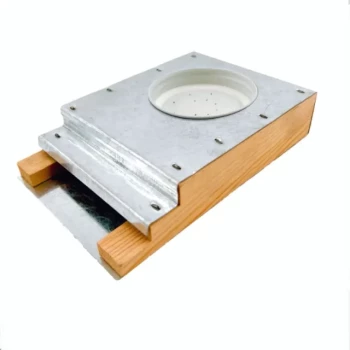
Supplemental feeding equipment serves as a critical life-support system during drought seasons by delivering substitute nutrients—specifically syrup, pollen substitutes, and water—when natural resources are exhausted. This technical intervention is the primary mechanism for preventing colony starvation, mass mortality, and the behavioral response known as absconding, thereby preserving the hive's productive vitality until environmental conditions improve.
Core Takeaway By providing a scheduled and quantified external energy input, supplemental feeding offsets the drastic decline in foraging efficiency caused by drought. It does more than just keep bees alive; it maintains the brood-rearing cycle to ensure a sufficient population of worker bees is ready for the next flowering season.
The Strategic Objectives of Drought Feeding
During dry seasons, the lack of nectar and pollen creates a "dearth" that threatens the biological continuity of the hive. Feeding equipment is deployed to achieve three specific outcomes.
Preventing Colony Collapse and Absconding
The most immediate function of this equipment is survival. Without intervention, scarce resources lead to rapid starvation.
Furthermore, honeybees have a natural instinct to abscond (abandon the hive) when resources deplete entirely. Supplemental feeding suppresses this instinct, anchoring the colony to the location.
Maintaining the Brood Rearing Cycle
Survival is not enough; the colony must maintain its structure.
If the food supply stops, the queen will stop laying eggs, and nurse bees will terminate existing brood. Supplemental equipment ensures a steady intake of nutrients, signaling the colony to continue nursing the brood and maintaining a population replacement cycle.
Preparing for the Next Flow
The ultimate goal of intervention is future productivity.
By preventing the colony from shrinking during the drought, you ensure there is a robust population of adult foragers available immediately when the next migratory honey flow or spring season begins.
Technical Functions of the Equipment
The equipment itself is not merely a container; it is a tool for controlled dosage and hygiene.
Delivering Precise Nutritional Ratios
Different stages of the drought require different inputs. The equipment facilitates the delivery of:
- Syrup: Often a 2:1 sugar-to-water ratio to mimic nectar and build carbohydrate stores.
- Pollen Substitutes: Often flour mixtures provided to support protein intake necessary for brood development.
- Water: Essential for thermoregulation in the hive during hot, dry periods.
Quantified Energy Pulses
Effective feeding relies on a "technical method" of regular delivery pulses rather than random availability.
Feeding equipment allows for a scheduled and quantified approach, providing a stable energy input that compensates for environmental negativity without overwhelming the hive.
Hygiene and Resource Protection
High-quality feeders are designed to protect the nutrient solution from contamination and spoilage.
Additionally, well-designed equipment minimizes the risk of robbing behavior, where stronger colonies attack weaker ones to steal sugar syrup—a common risk during nectar scarcity.
Common Pitfalls to Avoid
While supplemental feeding is vital, improper application can be detrimental.
The Risk of Induced Robbing
If feeding equipment leaks or is easily accessible to outside bees, it can trigger a frenzy of robbing. This can lead to the destruction of the very colonies you are trying to save. Equipment must be internal or highly restrictive to the specific hive being fed.
Spoilage and Contamination
Liquid feeds can ferment or spoil rapidly, even in dry heat. Feeding containers must be designed for easy cleaning and should not hold more feed than the bees can consume in a short period. Consuming spoiled feed can cause dysentery and further weaken the colony.
Making the Right Choice for Your Goal
The type of feeding strategy you employ depends on the specific status of your apiary.
- If your primary focus is Immediate Survival: Prioritize high-concentration sugar syrup (2:1) and water delivery to prevent starvation and dehydration in adult bees.
- If your primary focus is Population Maintenance: Incorporate pollen substitutes (flour mixtures) into your feeding schedule to ensure the queen continues egg-laying and brood development.
Ultimately, the function of this equipment is to bridge the gap between nature's supply and the colony's demand, transforming a season of scarcity into a period of stable maintenance.
Summary Table:
| Function | Description | Key Benefit |
|---|---|---|
| Survival Support | Delivers syrup and water when nectar is unavailable | Prevents starvation and hive absconding |
| Brood Maintenance | Provides pollen substitutes to stimulate the queen | Ensures continuous population replacement |
| Population Recovery | Keeps adult forager numbers stable during the dearth | Enables immediate productivity for the next flow |
| Bio-Security | Controlled delivery of quantified energy pulses | Minimizes robbing behavior and prevents spoilage |
Secure Your Apiary’s Future with HONESTBEE
Drought seasons shouldn't mean the end of your colony's productivity. At HONESTBEE, we specialize in supporting commercial apiaries and distributors with high-performance beekeeping machinery and tools designed to bridge the gap between scarcity and stability. From precision hive-making equipment to durable supplemental feeders and essential consumables, our wholesale portfolio ensures you have the hardware to maintain hive health year-round.
Maximize your apiary’s resilience and ensure a robust honey flow next season.
Contact our specialist team today to discover how our comprehensive equipment solutions can scale your beekeeping operations.
References
- Gelan Dule Dahesa, A Tilahun. Review on Beekeeping System, Constraints, and Opportunities in Ethiopia. DOI: 10.30654/mjvs.10059
This article is also based on technical information from HonestBee Knowledge Base .
Related Products
- In-Hive Dual Compartment Frame Bee Feeder for Targeted Colony Nutrition
- HONESTBEE Entrance Bee Feeder Efficient Hive Front Liquid Feeding Solution for Beekeeping
- Rapid Bee Feeder White Plastic 2L Round Top Feeder for 8 or 10-Frame Bee Hives
- HONESTBEE Entrance Bee Feeder Professional Hive Nutrition Solution for Beekeeping
- Professional Hive Top Bee Feeder for Beekeeping
People Also Ask
- What are the advantages of using a frame feeder for bee colonies? Boost Growth and Prevent Robbing Efficiently
- Why should sugar syrup or dry sugar not be left out in the open when feeding bees? Avoid a Dangerous Feeding Frenzy
- What precautions should be taken when feeding bees inside the hive? Safeguard Your Colony from Robbing and Leaks
- How do in-hive feeders support honey bee colonies during autumn? Ensure Overwintering Success for Your Apiary
- Why is an in-hive feeder necessary for stimulatory feed? Protect Nano-Particle Integrity and Dosage Accuracy