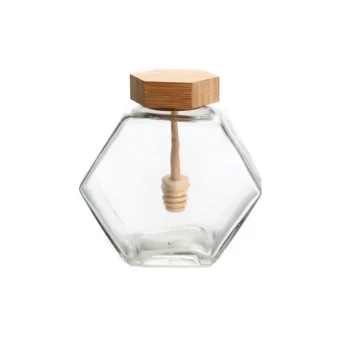
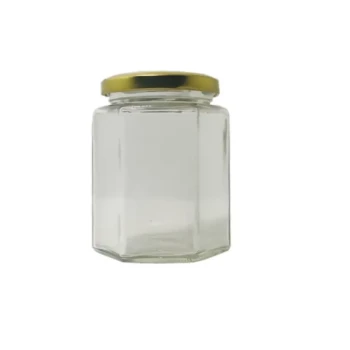
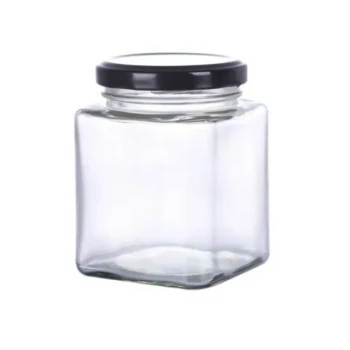
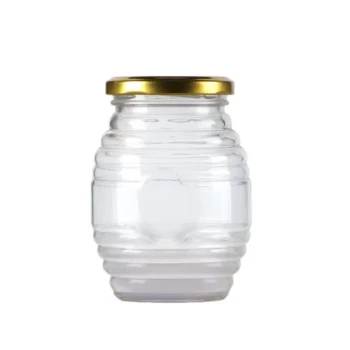
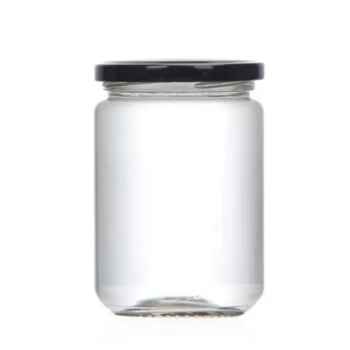
The function of the glass wide-mouth jar and detergent is to create a controlled environment for the mechanical and chemical separation of parasites. Specifically, the jar serves as a containment vessel for agitation, while the detergent acts as a surfactant to break the biological bond between the Varroa mites and the host bees.
The detergent acts as a critical surfactant that reduces surface tension, nullifying the adhesive grip of the Varroa mites' foot pads. This forces the mites to detach and settle at the bottom of the jar, transforming a complex biological sample into a quantifiable statistical rate.
The Mechanics of Separation
To understand why this method is the standard for diagnosis, one must understand the interaction between the physical vessel and the chemical solution.
The Role of the Detergent
The core challenge in Varroa diagnosis is the parasite's powerful physical grip. Varroa mites attach themselves to honeybees using specialized foot pads that create strong adhesion.
Adding a small amount of detergent to warm water creates a surfactant solution.
This lowers the liquid surface tension significantly. By reducing this tension, the solution disrupts the physical capability of the mite to hold onto the bee's body surface, forcing them to release their grip.
The Function of the Glass Vessel
The glass wide-mouth jar is not merely a container; it is a viewing and collection tool.
During the process, the technician shakes the bees within the jar. Because the detergent has broken the mites' adhesion, the mechanical agitation causes them to fall away from the bees.
The mites then settle at the bottom of the jar or adhere to the glass walls. The transparency of the glass is vital here, allowing for immediate visual verification and ensuring no mites are missed during the count.
Ensuring Diagnostic Accuracy
The ultimate goal of this equipment is not just separation, but statistical precision.
Calculating the Infestation Rate
For a diagnosis to be useful, it must generate an accurate percentage—the infestation rate.
Because the detergent ensures the total detachment of mites (rather than just the ones that fall off easily), the final count represents the true severity of the infestation.
This allows the beekeeper or technician to compare the number of detached mites against the number of bees in the sample with high confidence.
Understanding the Trade-offs
While effective, this method relies heavily on the correct preparation of the solution.
The Necessity of Chemical Intervention
It is a common error to assume that mechanical shaking alone is sufficient to dislodge mites.
Without the detergent, the surface tension of the water remains high, and the mites' foot pads maintain their adhesion.
Attempting this diagnosis with plain water or insufficient agitation will result in a "false low" count, leaving a colony vulnerable to under-treatment because the mites remained attached to the bees.
Making the Right Choice for Your Goal
When performing Varroa mite counts, proper equipment utilization ensures data integrity.
- If your primary focus is statistical accuracy: Ensure the detergent is fully dissolved and creates a proper surfactant effect to guarantee 100% mite detachment.
- If your primary focus is visual verification: Utilize a clean glass jar rather than opaque plastic to easily spot mites that may have adhered to the container walls.
By combining mechanical agitation with chemical surface tension reduction, you ensure that your diagnosis reflects the reality of the hive, not just the limitations of your process.
Summary Table:
| Component | Primary Function | Scientific Mechanism |
|---|---|---|
| Detergent | Chemical Separation | Acts as a surfactant to reduce surface tension and break mite adhesion. |
| Glass Wide-Mouth Jar | Mechanical Containment | Provides a transparent vessel for agitation and easy visual counting. |
| Mechanical Shaking | Physical Detachment | Forces dislodged mites to separate from the host bee's body. |
| Warm Water | Carrier Medium | Enhances detergent solubility for a more effective surfactant solution. |
Maximize Your Colony Health with Professional Beekeeping Solutions
Accurate diagnosis is the first step toward effective hive management. At HONESTBEE, we understand the technical demands of commercial apiaries and distributors. We provide more than just tools; we offer a comprehensive wholesale portfolio ranging from specialized hardware like hive-making and honey-filling machines to essential beekeeping consumables and cultural merchandise.
Whether you are scaling your operations or supplying the industry, our equipment ensures precision and durability. Contact us today to discover how our professional-grade machinery and tools can enhance your productivity and support your beekeeping success.
References
- SHAPOUR SHOJAEI, SARA MOHAMMADIYANI. VARVOACIDAL EFFECT OF FLUMVAR AT CONTROL OF HONEY BEE VARROASIS. DOI: 10.21608/avmj.2020.167300
This article is also based on technical information from HonestBee Knowledge Base .
Related Products
- Hexagonal Glass Honey Jar with Wooden Lid Integrated Dipper Elegant Functional Storage
- Hexagonal Glass Honey Jars with Metal Lug Caps Elegant Versatile Packaging
- Classic Drum Shaped Glass Honey Jar with Airtight Lid
- Modern Square Glass Honey Jar with Twist Off Lid
- Classic Glass Honey Jar with Metal Lug Cap for Beehive Storage
People Also Ask
- What are the benefits of glass jars regarding strength and safety for storing honey? Ensure Purity and Long-Term Quality
- What are the advantages of using glass jars for honey storage? Ensure Purity and Premium Appeal for Your Product
- What is the aesthetic appeal of using glass jars for honey? Elevate Your Brand with Premium Packaging
- What are the advantages of glass containers for honey? Elevate Quality and Market Value with Premium Packaging
- What are the benefits of using high-transparency Glass Jars for honey? Elevate Purity and Premium Branding