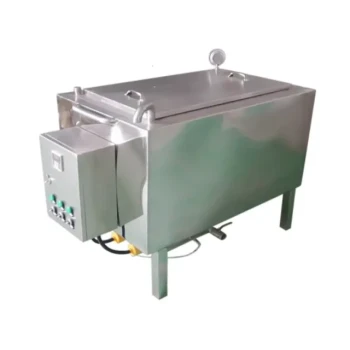
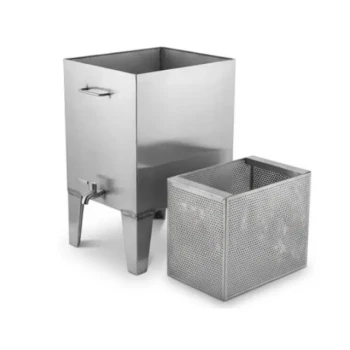
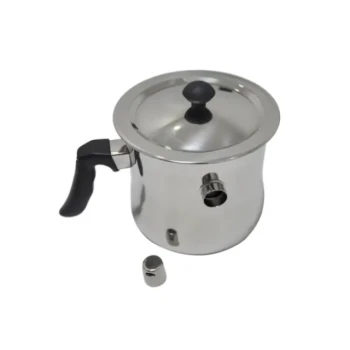
Rendering beeswax is a purification process that utilizes heat, water, and filtration to separate raw wax from hive debris. The general procedure involves rinsing the raw material, melting it with water to separate heavy impurities, straining the liquid mixture, and allowing it to settle and solidify into a clean block.
The Core Principle: Beeswax is less dense than water, while most impurities are heavier. By melting wax in water, the clean wax floats to the surface while dirt settles at the bottom, creating a natural separation as the mixture cools.
Phase 1: Preparation and Melting
Initial Cleaning
Before applying heat, you must remove as much non-wax material as possible. Drain any residual honey from the wax cappings or crushed comb.
Rinsing the Wax
Rinse the beeswax in cool, clean water to wash away sticky residue. Do not use household sinks for this step, as hardening wax can easily clog plumbing.
The Melting Setup
Place the washed wax into a dedicated pot, such as a double boiler or crockpot. Add a significant amount of water to the vessel.
Applying Heat
Heat the mixture slowly. The goal is to melt the wax without reaching a high boil, which can damage the wax structure. Stir the mixture occasionally to prevent sticking and encourage the wax to separate from the debris.
Phase 2: Filtration and Separation
Removing Large Debris
As the wax melts into a liquid state, use a skimmer spoon to scoop out large pieces of floating debris. This prevents your finer filters from clogging too quickly later.
Straining the Mixture
Once the wax is fully melted, prepare a bucket or large pot with a filter secured over the top. Materials such as nylon, cheesecloth, or sweatshirt fabric work best for this. Carefully pour the hot wax and water mixture through the filter into the receiving container.
The Cooling Phase
Allow the filtered mixture to cool slowly, ideally overnight. Rapid cooling can cause cracks; slow cooling ensures a solid, uniform disc.
Final Separation
As the mixture cools, the clean wax will float to the top and harden into a solid cake, while the dirty water remains below.
Phase 3: Finishing the Block
Removing the Wax Disc
Once the wax is fully hardened, remove the solid disc from the bucket. You will likely see a layer of gray or brown sediment on the bottom of the wax cake.
Scraping the Impurities
Use a scraping tool to shave off the dirty layer from the underside of the wax disc. If the wax is not yet clean enough for your needs, you can repeat the melting and cooling process to achieve higher purity.
Common Pitfalls and Trade-offs
The Risk of Plumbing Damage
Never pour wax water or rinse raw wax in a standard sink. Wax solidifies instantly upon contact with cool pipes, leading to expensive and difficult clogs. Always work outdoors or use buckets that can be dumped safely.
Purity vs. Effort
A single pass of rendering rarely results in "exhibition grade" wax. The first render removes the bulk of the debris (slumgum), but the wax may still be dark. achieving bright yellow, particulate-free wax often requires a second or third rendering cycle.
Temperature Management
Overheating beeswax can discolor it or alter its chemical properties. Using a water bath (double boiler method) acts as a temperature buffer, ensuring the wax melts evenly without scorching.
Making the Right Choice for Your Goal
Depending on your intended use for the beeswax, you may need to adjust the rigor of your process.
- If your primary focus is rustic projects or waterproofing: A single render is sufficient, as minor sediment will not affect the utility of the wax.
- If your primary focus is candle making or cosmetics: Perform a second or third render using a finer filter material (like nylon) to ensure the wax is perfectly clean and burns evenly.
Success in rendering beeswax comes from patience during the cooling process and diligent temperature control during the melt.
Summary Table:
| Stage | Action | Purpose |
|---|---|---|
| Preparation | Rinse & Drain | Removes honey residue and surface debris. |
| Melting | Heat with Water | Separates wax (floats) from heavy impurities (sinks). |
| Filtration | Strain through Fabric | Removes fine particulates and slumgum. |
| Cooling | Slow Solidification | Prevents cracking and ensures a uniform wax disc. |
| Finishing | Scrape Underside | Eliminates the remaining layer of settled sediment. |
Maximize Your Wax Quality with HONESTBEE
Processing beeswax at scale requires precision and the right equipment. HONESTBEE supports commercial apiaries and distributors with high-performance wax processing machinery and specialized beekeeping tools.
Whether you are producing cosmetic-grade wax or wholesale foundation, our comprehensive portfolio—from honey-filling machines to industrial-grade hardware—ensures your operation stays efficient and profitable.
Ready to upgrade your production? Contact us today to discover how our tailored solutions can benefit your beekeeping business.
Related Products
- Manual Beeswax Flat Sheet Machine for Beeswax Processing
- Fully Automatic Beeswax Embossing Machine Foundation Mill
- Electric Flatting and Embossing Machine with Tray for Beekeeping
- Electric Commercial Beeswax Melter for Factory Use
- Electric Beeswax Flat Sheet Machine with Operating Tray for Wax Processing
People Also Ask
- What is the primary function of the double-roller extrusion system? Master Precision Beeswax Foundation Production
- How do cultural merchandise processing machines contribute to the economic value chain? Boosting Apiary Profitability
- What are some practical tips for managing equipment and workspace when processing beeswax? Essential Studio Setup Tips
- How do specialized beeswax processing machines maximize the value of beekeeping by-products? Boost Your Apiary's ROI
- What role does beeswax processing equipment play in development of by-products? Turn Apiary Waste into High-Value Profit