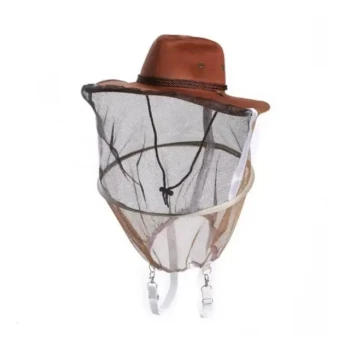
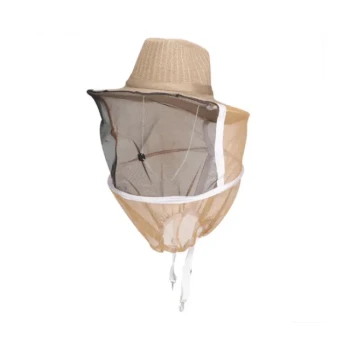
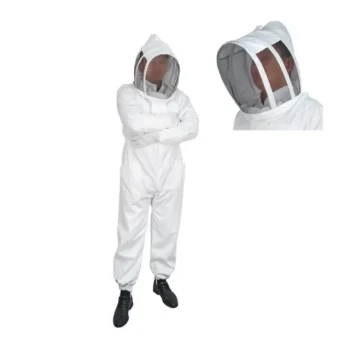
Professional beekeeping protective masks serve as a non-negotiable safety barrier when managing highly defensive Africanized bee colonies. By utilizing high-strength, breathable mesh, these masks effectively prevent facial stings, allowing operators to safely conduct essential hive inspections and honey harvesting in high-risk environments while minimizing occupational hazards.
Core Takeaway: Managing Africanized bees requires a shift from standard protection to high-security protocols. A specialized protective mask provides the critical physical barrier necessary to prevent severe injury while ensuring the visibility and ventilation required for precise, sustained apiary work.
The Critical Role of Physical Barriers
Preventing High-Risk Facial Stings
Africanized bees are characterized by their highly defensive nature. The primary function of a professional mask is to create an impenetrable physical barrier between the operator's face and the colony.
Unlike standard European bees, Africanized colonies may react aggressively to disturbances. The mask protects the most vulnerable areas—the head and neck—from massive stinging incidents that define high-risk apiary management.
Reducing Occupational Hazards
Safety in the apiary is not just about avoiding pain; it is about eliminating life-threatening risks. A failure in protective gear when working with Africanized genetics can lead to medical emergencies.
High-quality masks are considered essential safety consumables. They significantly reduce the likelihood of severe allergic reactions or toxic envenomation caused by multiple stings to the face and neck area.
Operational Continuity and Precision
Enabling Routine Hive Inspections
Fear of injury can lead to rushed or neglected work. By ensuring physical safety, protective masks reduce the psychological burden on the beekeeper.
This security allows technicians to perform necessary but intrusive tasks, such as colony splitting and resource statistical analysis, with the required focus and steadiness.
Facilitating Honey Harvesting
Harvesting is a high-disturbance activity that often triggers a defensive response. A robust mask ensures the workflow remains uninterrupted.
Operators can maintain a steady pace during heavy labor without having to retreat due to defensive bee pressure, ensuring the operational efficiency of the apiary.
Essential Design Features
High-Strength, Breathable Mesh
The mesh used in these masks must strike a balance between durability and comfort. It utilizes a fine mesh design that is strong enough to resist tears but open enough to allow airflow.
Ventilation is critical in the often hot environments where Africanized bees thrive. Proper breathability prevents heat exhaustion during long periods of manual labor.
Visibility for Precision Work
A protective veil must offer clear visibility. Beekeepers perform delicate tasks, such as spotting queens or transferring frames.
High-quality masks ensure that the mesh does not obscure the operator's vision, allowing for safe execution of high-frequency contact tasks.
Understanding the Trade-offs and Risks
The Limit of Isolated Protection
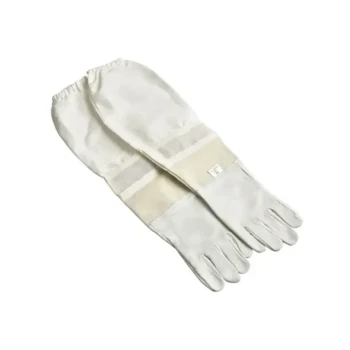
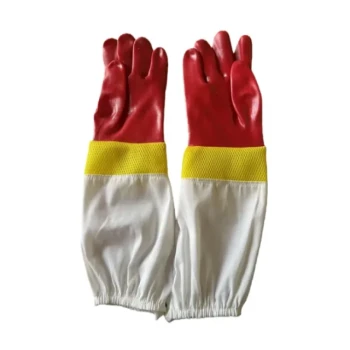
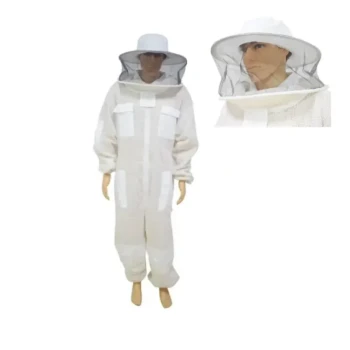
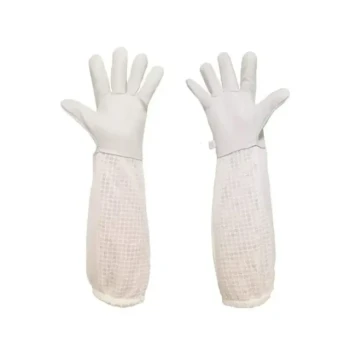
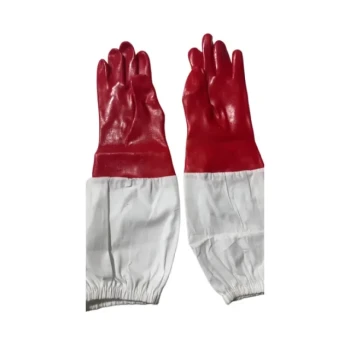
A mask alone is insufficient for Africanized colonies. It must be paired with reinforced suits and sting-resistant gloves to form a complete defensive system. Relying solely on a mask leaves the hands and body vulnerable to the intense defensive behavior typical of these species.
Hygiene and Disease Transmission
Protective gear can become a vector for disease. Masks and suits can harbor pathogens or parasites picked up during storage or previous use.
Failure to sanitize gear before entering the apiary can introduce risks to hive health, undermining the very colonies you are trying to manage.
Wear and Tear
Mesh is not indestructible. Over time, the high-strength material can degrade or snag. In an Africanized apiary, even a small tear renders the equipment useless and dangerous. Regular inspection of the "safety consumable" is mandatory.
Making the Right Choice for Your Apiary
To effectively manage Africanized genetics, your equipment strategy must prioritize zero-failure protection.
- If your primary focus is Safety: Prioritize masks with reinforced, high-strength mesh and ensure they are integrated with a full sting-resistant suit to handle aggressive defensive surges.
- If your primary focus is Workflow Efficiency: Select gear that maximizes ventilation and visibility to reduce physical fatigue and heat stress during long inspections.
- If your primary focus is Colony Health: Implement a strict sanitization protocol for all protective masks and gear to prevent cross-contamination between hives.
Investing in high-strength protective masks is not just a safety precaution; it is the fundamental enabler of all operations in an Africanized apiary.
Summary Table:
| Feature | Benefit for Africanized Bee Management |
|---|---|
| High-Strength Mesh | Provides an impenetrable barrier against aggressive defensive surges. |
| Fine Ventilation | Prevents heat exhaustion during long-duration hive maintenance. |
| Clear Visibility | Allows for precise tasks like queen spotting and frame handling. |
| Neck Protection | Eliminates life-threatening risks of stings to high-vulnerability areas. |
| Durability | Reduces long-term costs as a reliable safety consumable in high-risk zones. |
Scale Your Apiary Operations with HONESTBEE Safety Solutions
Managing Africanized bee colonies requires professional-grade protection to ensure both safety and productivity. HONESTBEE specializes in supporting commercial apiaries and distributors with a comprehensive wholesale portfolio of beekeeping tools, machinery, and essential consumables.
From high-strength protective gear and hive-making machinery to honey-filling systems and cultural merchandise, we provide the industrial-scale equipment you need to succeed.
Ready to upgrade your apiary’s safety and efficiency? Contact HONESTBEE Today to explore our wholesale offerings and see how we can add value to your business.
References
- Samuel Périchon. From Melipona beekeeping to modern beekeeping: An ethnozoological survey in tropical dry forests of Peru. DOI: 10.1684/agr.2013.0618
This article is also based on technical information from HonestBee Knowledge Base .
Related Products
- Premium Cowboy Beekeeper Hat with Visibility Veil Outdoor Professional Beekeeping Protective Gear
- Beekeeper Cowboy Hat and Veil for Beekeeping
- White Cotton Beekeeping Jacket and Veil for Bee Keepers
- Beekeeping Jacket with Hood and Veil for Beekeepers
- High-Definition Beekeeper Hat with Round Veil Mesh for Beekeeping
People Also Ask
- What design features contribute to the stability and fit of the beekeeper hat? Key Features for Maximum Hive Safety
- How is the beekeeper hat designed for comfort and practicality? Explore Key Features for Enhanced Apiary Safety
- What is the general protective gear recommendation for new beekeepers? Your Essential Beginner's Safety Guide
- How does beekeeping protective gear facilitate the queen bee selection process? Enhancing Precision in Queen Breeding
- What should beekeepers consider when choosing protective gear? A Guide for Maximum Safety & Comfort