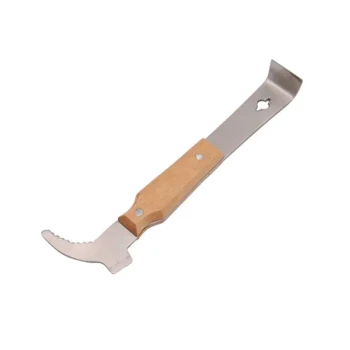
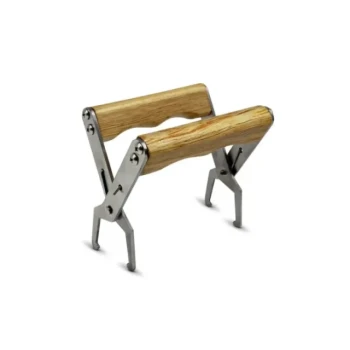
The use of standardized sampling tools and sealed containers is critical for maintaining sample integrity and preventing biological contamination during transport. These protocols are the only way to ensure that the data collected accurately reflects pest occurrence, which is the prerequisite for generating reliable regional pest distribution maps for large-scale apiary management.
The reliability of any epidemiological survey depends entirely on the quality of the sample at the moment of collection and arrival at the laboratory. Standardized equipment acts as a firewall against cross-contamination and parasite escape, ensuring that data points represent the true health status of the colony rather than handling errors.
Ensuring Data Integrity and Accuracy
Protecting Sample Quality for Diagnosis
The primary function of specialized collection tools is to extract specific quantities of live or fresh honeybee samples without causing physical damage.
Undamaged samples are essential for accurate laboratory diagnosis. If the specimen is crushed or contaminated during collection, it compromises the ability to detect specific conditions such as Nosemosis (microsporidia) or Varroosis (mites).
Eliminating Cross-Contamination
When surveying different geographical regions, the risk of mixing biological material between samples is high.
Standardized, sealed containers ensure that pathogens or genetic material from one apiary do not contaminate samples from another. This isolation is required to obtain accurate pest occurrence data, ensuring that a positive result in a lab truly corresponds to the specific location where the sample was taken.
Enabling Regional Mapping
For large-scale management, data from various locations must be aggregated to form a coherent picture.
Using standardized tools creates a consistent baseline, making data comparable across different regions. This consistency allows for the creation of precise regional pest distribution maps, which are vital for tracking the spread of disease and planning control measures.
Biosecurity and Containment
Preventing Parasite Escape
A critical, often overlooked function of standardized containers is containment.
Sealed containers prevent the accidental escape of parasites during transport. Without this safeguard, the survey team itself could become a vector, inadvertently spreading pests from an infected region to a clean one while moving between sites.
Safe Extraction Protocols
Specialized tools allow for the extraction of samples in a manner that is safe for both the operator and the remaining colony.
By utilizing tools designed for specific extraction quantities, surveyors avoid unnecessary harm to the colony structure. This mirrors the logic of using standardized hives, which facilitate regular inspection and monitoring without disrupting the colony's internal microclimate.
Understanding the Risks of Inconsistent Sampling
The Cost of Variable Methods
Using ad-hoc or non-standardized tools introduces variables that ruin statistical validity.
If one region is sampled using a method that crushes bees and another with a method that preserves them, the resulting data is not comparable. This leads to skewed distribution maps that may hide hotspots or exaggerate infestation levels purely based on the collection method used.
Compromised Diagnostics
Laboratory equipment is calibrated to analyze samples in a specific condition.
Samples that have degraded during transport due to poor containment or were contaminated by non-sterile tools will yield false negatives or inconclusive results. This renders the time and expense of the geographical survey useless and leaves apiaries vulnerable to undetected threats.
Making the Right Choice for Your Survey
To maximize the effectiveness of your geographical distribution survey, align your equipment choices with your specific data goals:
- If your primary focus is Regional Mapping: Prioritize sealed, leak-proof containers to prevent parasite escape and ensure that positive identifications are strictly tied to their collection site.
- If your primary focus is Pathogen Diagnosis: Use specialized non-destructive collection tools to ensure bee samples arrive at the lab intact and suitable for sensitive microscopic or molecular analysis.
Standardization is not just a bureaucratic requirement; it is the scientific control that transforms raw field samples into actionable biosecurity intelligence.
Summary Table:
| Factor | Role of Standardization | Impact on Survey Results |
|---|---|---|
| Sample Integrity | Prevents crushing and degradation | Accurate detection of Nosemosis and Varroosis |
| Biosecurity | Sealed containers prevent parasite escape | Stops the survey team from spreading pathogens |
| Data Consistency | Creates a uniform collection baseline | Enables valid comparisons between different regions |
| Mapping Accuracy | Eliminates cross-contamination | Produces reliable regional pest distribution maps |
Elevate Your Apiary Management with HONESTBEE
Standardized sampling is the first step toward effective biosecurity. At HONESTBEE, we empower commercial apiaries and distributors with the precision tools needed for high-stakes beekeeping management.
Our comprehensive wholesale offering includes:
- Professional Sampling & Diagnostic Tools: To ensure data integrity for regional mapping.
- Advanced Machinery: From specialized hive-making to honey-filling machines.
- Essential Equipment: A full spectrum of beekeeping hardware and industry consumables.
- Cultural Merchandise: Honey-themed goods for brand expansion.
Whether you are conducting large-scale geographical surveys or scaling your honey production, HONESTBEE provides the hardware and expertise to secure your success.
Contact Us Today to Optimize Your Operations
References
- Abd Al-Majeed Ahmed Al-Chzawi, Hail K. Shannag. Incidence and Geographical Distribution of Honeybee (<i>Apis mellifera</i>L.) Pests in Jordan. DOI: 10.1080/00379271.2009.10697615
This article is also based on technical information from HonestBee Knowledge Base .
Related Products
- HONESTBEE Professional Mini J-Hook Hive Tool for Beekeeping
- Professional Stainless Steel Pry-Bar Hive Tool
- Stainless Steel Pollen Shovel with Wooden Handle
- Professional Multi-Function Stainless Steel Hive Tool
- Classic Wooden Bee Brush with Double-Row Boar Bristles
People Also Ask
- What specific challenges do beekeeping hive tools address during hive maintenance? Essential Solutions for Apiaries
- What is the recommended method for storing beekeeping tools? Expert Vertical Storage Solutions for Your Apiary
- How does a favorable microclimate interact with beekeeping tools? Boost Overwintering Success and Equipment Longevity
- Why is the treatment of beekeeping tools with high-concentration chemical disinfectants necessary for preventing AFB?
- What is a J-hook hive tool and why is it favored by some beekeepers? Master Gentle Frame Handling