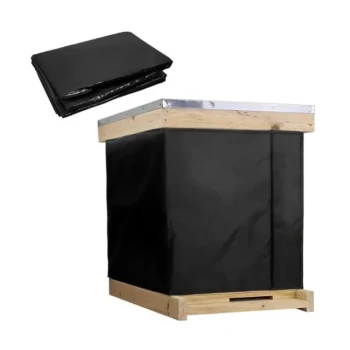
Windbreaks protect beehives by fundamentally altering local airflow patterns. By intercepting and deflecting cold gusts before they strike the apiary, these barriers prevent wind from actively stripping heat from the hive's exterior walls. This mechanical shielding is critical for reducing the rate of thermal energy loss, thereby lowering the physiological stress placed on the winter cluster.
The primary function of a windbreak is to reduce the metabolic cost of survival. By minimizing convective heat loss, you reduce the need for bees to generate warmth through muscle contraction, directly preserving their finite winter honey reserves.
The Physics of Colony Survival
Reducing Convective Heat Loss
The greatest threat to a hive in winter is often not the ambient temperature itself, but the wind chill factor.
When cold wind hits a hive directly, it accelerates the transfer of heat away from the hive walls. A windbreak disrupts this airflow, creating a zone of relative calm around the apiary.
Minimizing Energy Expenditure
Bees do not hibernate; they generate heat to survive. To maintain internal temperatures, the colony forms a cluster and individual bees vibrate their wing muscles to produce warmth.
This process requires fuel in the form of honey. By reducing the external cooling load, a windbreak allows the colony to maintain the necessary core temperature with less muscle contraction, significantly conserving their energy stores.
Integrating Windbreaks into Management
Site Selection as the First Line of Defense
Before installing artificial barriers, the positioning of the apiary is paramount.
Hives should be situated in locations that offer natural protection, such as behind a treeline or a rise in the terrain. This foundational step reduces the severity of the wind the artificial break must manage.
Holistic Winter Preparation
While windbreaks manage thermal loss, they are part of a broader defense system.
Beekeepers must also install mouse guards at entrances to prevent rodents, seeking warmth, from destroying the comb. A windbreak alone cannot protect a colony that is physically invaded by pests.
Understanding the Trade-offs
The Ventilation Balance
It is a common error to seal a hive off from the environment too completely. While you must stop cold gusts, you must not eliminate airflow entirely.
Bees exhale moisture as they consume honey; without proper ventilation, this moisture condenses and freezes, which can be lethal. A windbreak should reduce wind velocity, not create a stagnant air pocket that prevents humidity exchange.
False Security
A windbreak is a tool for energy conservation, not a cure-all.
If a colony enters winter with insufficient food stores, no amount of wind protection will prevent starvation. The windbreak simply makes the existing stores last longer by reducing the burn rate.
Making the Right Choice for Your Goal
To maximize your colony's survival odds, apply these principles based on your specific environmental challenges:
- If your primary focus is conserving food stores: Prioritize a dense windbreak to minimize the metabolic rate required for heat generation.
- If your primary focus is moisture management: Ensure your windbreak allows for gentle air exchange and pair it with proper upper-hive ventilation.
- If your primary focus is physical security: Combine wind protection with sturdy mouse guards to protect the cluster from both thermal and biological threats.
Effective winter management is about balancing heat retention with necessary airflow to keep the colony dry, warm, and efficient.
Summary Table:
| Mechanism | Primary Benefit | Key Consideration |
|---|---|---|
| Airflow Deflection | Reduces wind chill & convective heat loss | Avoid stagnant air to prevent moisture buildup |
| Metabolic Conservation | Minimizes honey consumption | Requires sufficient initial stores to be effective |
| Physical Shielding | Protects hive structure from cold gusts | Must be paired with mouse guards for total security |
| Thermal Stabilization | Maintains cluster core temperature | Ventilation balance is critical to prevent icing |
Maximize Colony Survival with HONESTBEE Professional Solutions
Protecting your commercial apiary during harsh winters requires more than just knowledge—it requires the right infrastructure. HONESTBEE supports commercial apiaries and distributors with a comprehensive range of premium beekeeping tools and machinery designed for efficiency and durability.
From industrial-grade hive-making machines to ensure structural integrity, to essential winter management consumables, we provide everything you need to scale your operations and safeguard your bees. Let us help you reduce metabolic loss and boost your apiary's productivity.
Ready to upgrade your equipment? Contact us today to explore our wholesale offerings and discover how our expertise can benefit your business.
References
- V Jagadeesh, V Pavithra. Adoption of seasonal management practices of apiary colonies by beekeepers. DOI: 10.33545/26180723.2024.v7.i3c.459
This article is also based on technical information from HonestBee Knowledge Base .
Related Products
- Stainless Steel Round Beehive Air Vents for Ventilation
- Inner Beehive Cover for Beekeeping Bee Hive Inner Cover
- Steel Round Disc Entrance Reducer for Flexzion Bee Hive Nuc Box Gate
- Yellow Plastic Bucket Pail Perch for Beekeeping
- Professional Insulated Winter Hive Wrap for Beekeeping
People Also Ask
- How does ventilation affect colony health, and how should it be managed seasonally? A Guide to Preventing Moisture & Overheating
- Why is proper ventilation important in a beehive? Prevent Mold, Regulate Temperature, and Boost Colony Health
- How can a beekeeper provide proper ventilation for a beehive throughout the year? Seasonal Strategies for Bee Health
- Why is good ventilation crucial when transporting beehives? Protect Your Colony from Lethal Overheating
- How can ventilation be added to a beehive without using an inner cover? Simple, Effective Solutions for Healthy Hives