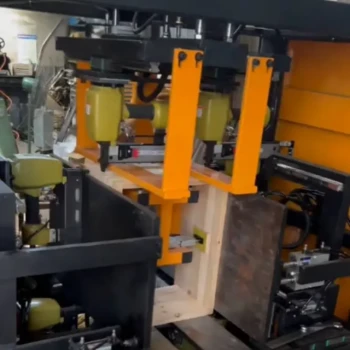
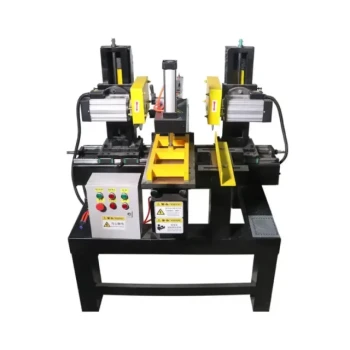
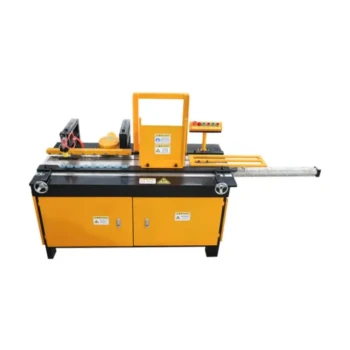
The necessity of industrial-grade beehive manufacturing machinery lies in its ability to deliver absolute dimensional precision across thousands of units. For large-scale apiaries, this machinery is the only way to ensure component interchangeability, which is the prerequisite for rapid colony expansion, migratory operations, and the use of automated honey processing lines.
Core Takeaway In commercial beekeeping, a beehive is not just a habitat; it is a standardized unit of production. Industrial machinery transforms hive construction from a craft into a precise engineering process, ensuring that every frame and box is identical to prevent operational bottlenecks and enable seamless automation.
The Operational Impact of Standardization
Ensuring Component Interchangeability
The primary function of industrial-grade machinery is to produce hive bodies, frames, and dividers with standardized dimensions. In a large apiary, operators must be able to move a frame from one hive to another instantly without fitting issues. This interchangeability is vital for managing colony resources and balancing populations across the operation.
Preserving the "Bee Space"
Bees are biologically programmed to fill gaps larger than a specific width (roughly 6-9mm) with burr comb and seal smaller gaps with propolis. Industrial machinery utilizes high-precision cutting to maintain this scientific Bee Space exactly. This prevents the bees from building irregular structures that glue hive parts together, which would otherwise make inspections difficult and time-consuming.
Facilitating Migratory Beekeeping
Large-scale operations often involve transporting thousands of hives to different regions for pollination or honey flows. Precision manufacturing ensures that hive bodies stack securely and seal tightly. This structural uniformity is critical for surviving the physical stress of transport and rapid loading and unloading via forklifts.
Enabling Automation and Efficiency
Integration with Honey Processing Lines
Modern apiaries rely on automated uncapping and extraction lines to process honey efficiently. These machines require frames to have exact dimensions to function correctly. If frames are warped or irregular—common issues with non-industrial manufacturing—they can jam machinery, causing costly downtime and equipment damage.
Reducing Operational Losses
Standardized hardware streamlines maintenance and significantly reduces "friction" in daily workflows. By utilizing standardized joinery techniques, industrial machines ensure superior sealing performance. This minimizes the time beekeepers spend fixing individual boxes, allowing them to focus on colony health and production.
Cost-Effective Infrastructure Expansion
Mechanized processing significantly reduces the unit cost of hive infrastructure. By producing high volumes of identical components from wood or composite materials, these machines provide the physical foundation needed for rapid scaling. This allows professional beekeepers to expand their colony counts without a prohibitive increase in labor or material costs.
Enhancing Colony Health
Improving Thermal Insulation and Airtightness
High-precision molding and cutting eliminate unplanned gaps in the hive structure. A tightly sealed hive offers better thermal insulation, which is crucial for overwintering success and brood rearing. It also reduces the energy burden on the colony to maintain internal temperatures.
Defense Against Pests and Disease
Gaps in hive construction are entry points for pests such as hornets, wax moths, and robber bees. Industrial manufacturing ensures airtight connections that physically block these intruders. Furthermore, smooth, standardized internal surfaces are easier to clean and sterilize, helping to reduce the incidence of colony diseases.
Understanding the Trade-offs
High Initial Capital Expenditure
Implementing industrial-grade manufacturing requires a significant upfront investment in machinery and floor space. For smaller operations, the cost of this equipment may outweigh the efficiency gains, making it viable only when a certain scale of production is reached.
Maintenance and Technical Skill
Unlike traditional carpentry, operating high-precision industrial machinery requires specialized technical training. The machinery itself demands regular calibration and maintenance to ensure it continues to hold tight tolerances; if neglected, the "standardization" benefit is quickly lost.
Making the Right Choice for Your Goal
To determine if this level of machinery is required for your operation, consider your specific objectives:
- If your primary focus is Automated Processing: You must prioritize machinery that guarantees strict dimensional tolerances to prevent jams in your extraction lines.
- If your primary focus is Rapid Expansion: You should focus on high-throughput machinery that lowers the unit cost of frames and boxes to facilitate affordable scaling.
- If your primary focus is Migratory Beekeeping: You need machinery capable of producing robust, interlocking designs that maintain structural integrity during transport.
Ultimately, industrial manufacturing machinery is the bridge between managing individual beehives and managing a scalable, efficient agricultural enterprise.
Summary Table:
| Feature | Impact on Large-Scale Operations | Key Benefit |
|---|---|---|
| Dimensional Precision | Guarantees component interchangeability across thousands of units | Faster hive inspections and resource management |
| Bee Space Accuracy | Maintains 6-9mm gaps to prevent burr comb and propolis buildup | Easier hive manipulation and reduced labor time |
| Structural Uniformity | Ensures hive bodies stack securely for forklift loading | High durability during migratory transport |
| Standardized Frames | Seamless integration with automated extraction/uncapping lines | Eliminates machinery jams and costly downtime |
| Airtight Joinery | Improves thermal insulation and seals against pests/disease | Enhanced colony health and overwintering success |
Scale Your Apiary with Precision-Engineered Solutions
Transitioning from manual craft to industrial efficiency is the key to becoming a market-leading agricultural enterprise. HONESTBEE empowers commercial apiaries and global distributors with the high-performance tools needed to dominate the industry.
Our value to your business includes:
- Comprehensive Wholesale Offering: Access a full spectrum of beekeeping tools, machinery, and essential consumables at scale.
- Advanced Manufacturing Hardware: From precision hive-making equipment to high-speed honey-filling machines, we provide the backbone for your automation.
- Industry Expertise: We cater specifically to the needs of professional beekeepers who require durability and standard-compliant equipment.
Ready to eliminate operational bottlenecks and reduce your unit costs?
Contact HONESTBEE Today to Discuss Your Equipment Needs
References
- M. Esakkimuthu, V. L. V. Kameswari. Entrepreneurial potential of small scale beekeeping in rural India: a case in Kanniyakumari district, Tamil Nadu. DOI: 10.4038/tar.v28i4.8242
This article is also based on technical information from HonestBee Knowledge Base .
Related Products
- High-Efficiency Pneumatic Bee Hive Making Machine for Rapid Box Assembly
- HONESTBEE Top Bar & Bottom Bar Forming Machine | Bee Frame Machine
- Automatic High-Speed Bee Hive Box Stapling Machine
- Beehive Machine Double End Saw for Precision Hive Component Manufacturing
- Mini Desktop Bee Hive Frame Forming Making Machine
People Also Ask
- How does the introduction of professional beehive-making machinery benefit sustainable beekeeping? Scale Your Apiary
- Why is specialized beehive-making machinery critical for low-defense breeding? Enhance Selection with Precision Tools
- How does the introduction of specialized beehive making machinery contribute to increasing the scale of regional beekeeping industries?
- What is the importance of specialized beehive making machinery in a circular bio-economy? Build Local Sustainability
- Why is specialized beehive-making machinery essential? Scale Your Apiary with Precision Industrial Standards