Pollen patties function as a critical protein supplement designed to bridge the nutritional gap between winter dormancy and the availability of natural forage. In early spring management, their primary purpose is to fuel the development of larvae and young bees, ensuring the colony has the biological resources required for rapid population expansion even when natural pollen is scarce or weather prevents foraging.
Early spring feeding is not merely about survival; it is a strategic stimulation of the hive. By introducing high-quality protein before the natural bloom, you signal the colony to accelerate brood rearing, ensuring a peak workforce is ready for the upcoming honey flow.
The Biological Role of Protein in Spring
Fueling Larval Development
The fundamental nutritional purpose of a pollen patty is to provide protein. While adult bees consume carbohydrates (honey/nectar) for energy, developing larvae require protein to grow.
Primary references indicate that these patties are vital for the development of young bees. Without this input, the colony cannot biologically support the mass rearing of new brood required to replace the aging winter population.
Stimulating the Queen
The introduction of pollen supplements does more than feed existing bees; it simulates a natural resource flow.
This nutritional input encourages the queen bee to begin laying eggs extensively. By mimicking the conditions of a natural bloom, you trigger the colony's expansion instinct earlier than nature might allow on its own.
Supporting Rapid Colony Expansion
Spring is a period of aggressive growth. The colony must transition from a small cluster to a robust workforce capable of harvesting nectar.
Pollen patties maintain the colony’s strength during this volatile period. They ensure that the queen's brooding process is not delayed by a lack of natural pollen stores, facilitating a population explosion often targeted between late winter and early spring.
Environmental Context and Timing
Overcoming Weather Constraints
Even if local flora has begun to bloom, early spring weather is often unpredictable. Fluctuating temperatures may prevent bees from leaving the hive to forage consistently.
Pollen patties provide a steady, in-hive source of nutrients. This ensures that brood rearing continues uninterrupted, regardless of external conditions that might otherwise halt natural foraging.
Bridging the Gap to Natural Forage
Colonies often run low on stored pollen just before fresh sources become fully available.
Supplemental feeding fills this specific void. It acts as a bridge, supporting the hive functions until the local environment offers sufficient nectar and pollen to sustain the colony independently.
Composition and Strategic Trade-offs
Understanding the Ingredients
It is important to recognize that these patties are typically pollen substitutes. They are generally composed of a high-quality protein source mixed with granulated sugar (often in a 1:1 ratio), baker's yeast, and vegetable oil.
Some formulations include Vitamin-C powder to boost nutritional value. This mixture is kneaded into a dough-like consistency, making it easy to place directly on the top bars of the hive frames for immediate consumption.
Distinguishing Winter vs. Spring Needs
You must distinguish between winter patties and spring pollen patties. Winter patties (often used in February or March) are primarily for supplementing carbohydrate (honey) stores if they are running low.
In contrast, high-protein pollen substitutes are introduced specifically to boost brood development. Confusing these two can lead to managing the wrong resource constraint—energy vs. growth—at the wrong time.
The Risk of Over-Stimulation
While powerful, these supplements are an intervention. They simulate a nectar flow to provoke a biological response.
If used when the hive does not have the carbohydrate stores (honey or syrup) to support the increased energy demand of a larger population, the colony could stress its resources. Top feeders with syrup are often used alongside patties to ensure the bees have the energy to build comb and maintain the hive functions required by the new brood.
Making the Right Choice for Your Goal
To determine if pollen patties are necessary for your specific apiary, assess your objectives against your current hive resources.
- If your primary focus is Maximum Honey Production: Use pollen patties to stimulate early brood rearing, ensuring you have a massive workforce ready exactly when the first major nectar flow begins.
- If your primary focus is Colony Survival: Use pollen patties only if hive inspections reveal that natural pollen stores are critically low, preventing a nutritional bottleneck that would stall the colony's recovery.
Strategic protein feeding transforms the spring season from a waiting game into a controlled period of rapid biological growth.
Summary Table:
| Nutritional Benefit | Role in Colony Management | Impact on Hive |
|---|---|---|
| Protein Supplement | Replaces/Supplements natural pollen | Fuels larval growth and young bee development |
| Queen Stimulation | Mimics natural resource flow | Triggers intensive egg-laying and earlier brooding |
| Weather Buffer | Provides in-hive food source | Maintains brood rearing during cold or rainy spells |
| Colony Expansion | Bridges the gap to natural forage | Builds a massive workforce ready for the honey flow |
Maximize Your Apiary's Potential with HONESTBEE
At HONESTBEE, we understand that successful beekeeping starts with the right nutrition and professional-grade tools. Whether you are managing a commercial apiary or a distribution network, our comprehensive wholesale offering provides everything you need to scale your operations.
From hive-making and honey-filling machinery to essential consumables like high-quality beekeeping tools, we deliver the specialized hardware required for rapid spring expansion. Partner with us to provide your colonies with the best biological resources and your business with the most reliable equipment in the industry.
Ready to elevate your production? Contact us today to discuss your wholesale needs!
Related Products
- Plastic Bee Pollen Trap Strips Comb Catcher Collector
- Removable Plastic Pollen Trap With Ventilated Tray for Bees Pollen Collector
- 30 cm Plastic Entrance Hole Bee Pollen Trap and Collector
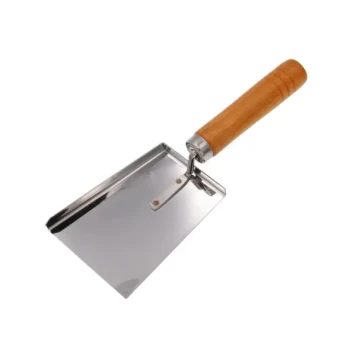
- Stainless Steel Pollen Shovel with Wooden Handle
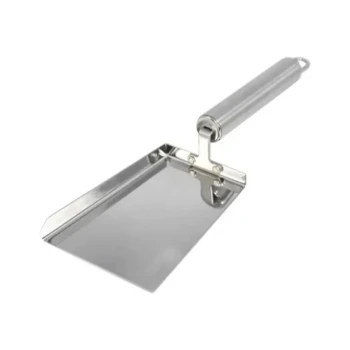
- Heavy-Duty Ergonomic Stainless Steel Pollen Shovel
People Also Ask
- For what reasons do beekeepers collect bee pollen? Boost Hive Health and Unlock New Revenue Streams
- What are the design principles and advantages of pollen traps in the collection of bee pollen? Boost Your Apiary Yield
- What are the ideal weather conditions for installing a bee pollen trap? Ensure Colony Safety with Expert Timing
- Why is frequent harvesting of bee pollen from traps necessary for quality control? Ensure Freshness and Prevent Mold.
- How often should bee pollen be harvested from a trap and why? Master Freshness and Prevent Spoilage