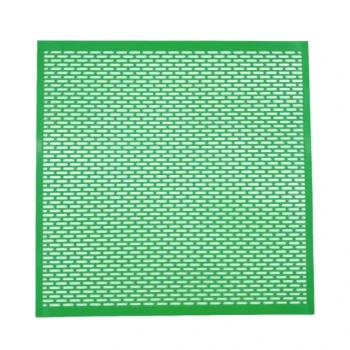
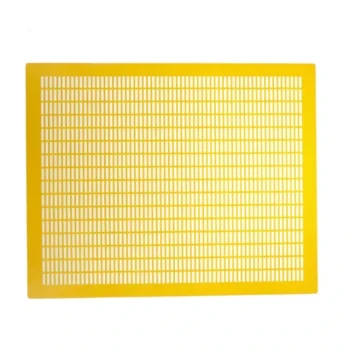
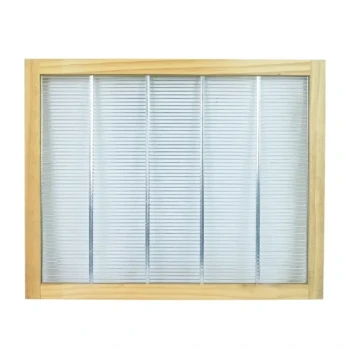
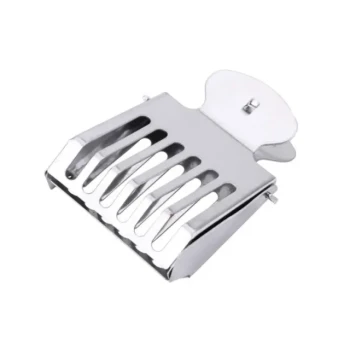
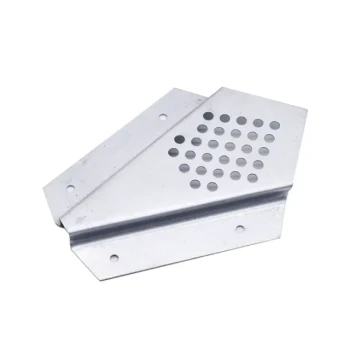
The primary function of a queen excluder is to physically confine the queen bee to a specific area of the hive—typically the bottom brood chamber—to strictly define the boundaries of the colony's reproductive zone. By preventing the queen from entering and laying eggs in the upper storage areas (honey supers), researchers can maintain a fixed volume for brood measurement while ensuring the resource storage areas remain pure and free of larvae.
Core Takeaway: In the study of honeybee ecotypes, the queen excluder serves as a critical control device. It isolates reproductive activity from resource accumulation, allowing for precise, consistent data collection on population dynamics within a standardized space.
Controlling Hive Dynamics
Physical Restriction
The queen excluder is a specialized barrier installed between the brood chamber and the honey supers. The grid dimensions are engineered with precision to allow smaller worker bees to pass through freely while blocking the larger queen bee.
Defining the Brood Zone
This tool creates a hard physical boundary for the colony’s reproductive efforts. It forces the queen to lay eggs exclusively in the lower portion of the hive, preventing the brood nest from expanding upward into areas designated for food storage.
Improving Data Accuracy and Integrity
Precise Brood Measurement
For researchers studying ecotype population dynamics, consistency is paramount. By restricting the queen to a "fixed space," scientists can accurately measure brood density and reproductive rates without the variables introduced by an expanding or irregular nest structure.
Resource Purity for Analysis
Keeping the upper supers free of eggs and larvae allows for the harvest of pure honey and resources. This separation is essential when analyzing resource accumulation rates or testing for chemical residue patterns without contamination from biological brood matter.
Understanding the Trade-offs
Potential for Hive Congestion
While excluders provide necessary control for data collection, they can sometimes impede the flow of traffic within the hive. If the grid becomes clogged or if workers are reluctant to cross it, the movement of nectar to the upper supers may be slowed.
Managing "Honey Bound" Risks
Restricting the queen to a fixed space requires vigilant management. If the bottom chamber fills completely with brood and pollen, the queen may run out of space to lay, potentially triggering swarming behavior or limiting colony growth artificially.
Making the Right Choice for Your Goal
To effectively manage honeybee ecotypes, you must align the use of the excluder with your specific research or management objectives.
- If your primary focus is Population Metrics: Use the excluder to standardize the available nesting volume, ensuring density measurements are comparable across different colonies.
- If your primary focus is Resource Analysis: Rely on the excluder to guarantee that honey supers remain distinct from the brood, ensuring pure samples for chemical or nutritional analysis.
The queen excluder is not just a barrier; it is a precision tool that transforms a chaotic natural environment into a measurable scientific setting.
Summary Table:
| Feature | Function in Ecotype Study | Key Benefit |
|---|---|---|
| Physical Restriction | Limits queen to the brood chamber | Standardizes the reproductive zone |
| Space Control | Prevents egg-laying in honey supers | Ensures resource purity for analysis |
| Data Consistency | Fixes the volume for brood measurement | Accurate population density metrics |
| Traffic Management | Regulates worker flow between zones | Protects storage from biological contamination |
Elevate Your Apiary Operations with HONESTBEE
As a commercial apiary or distributor, maintaining precise control over hive dynamics is essential for both scientific integrity and production efficiency. HONESTBEE is your dedicated partner, providing a comprehensive wholesale range of high-quality beekeeping tools, specialized machinery, and essential consumables.
From precision-engineered queen excluders and hive-making machines to advanced honey-filling equipment and honey-themed cultural merchandise, we equip you with everything needed to scale your business and refine your research.
Ready to optimize your beekeeping performance? Contact us today to explore our wholesale solutions and discover how HONESTBEE can bring professional-grade reliability to your honeybee management and distribution network.
References
- James P. Strange, Walter S. Sheppard. Persistence of the Landes ecotype of<i>Apis mellifera mellifera</i>in southwest France: confirmation of a locally adaptive annual brood cycle trait. DOI: 10.1051/apido:2007012
This article is also based on technical information from HonestBee Knowledge Base .
Related Products
- High Performance Plastic Queen Excluder for Beekeeping and Apiary Management
- Professional Plastic Queen Excluder for Modern Beekeeping
- Lightweight Durable Plastic Queen Excluder Scraper for Beekeeping
- Metal Queen Bee Excluder for Beekeeping
- Premium Wood Framed Metal Wire Queen Bee Excluder
People Also Ask
- What are the characteristics of a plastic queen excluder? Key Benefits for Cost-Effective Beekeeping
- What are the operational and cost advantages of using plastic queen excluders over metal or wire excluders in commercial hive management? Discover how they reduce labor, prevent wing damage, and lower total costs.
- What types of queen excluders are available for beekeepers? Choose the Right Tool for Your Hive
- Why are standardized hive frames and queen excluders essential for maintaining honey purity and quality? Scale Your Purity
- Do plastic queen excluders work? A Cost-Effective Solution for Modern Apiaries