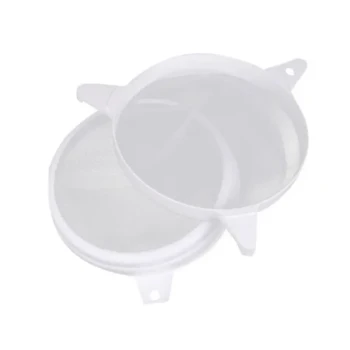
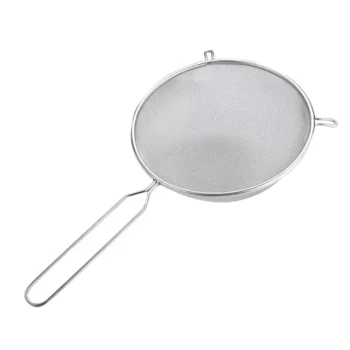
The primary function of multi-stage precision filtration is to progressively eliminate physical impurities, such as wax debris and bee fragments, using filters of varying pore sizes. Beyond simple cleaning, this process creates a homogenized material base, which is a critical prerequisite for successful and consistent automated filling operations.
Multi-stage filtration transforms raw harvest into a commercially viable product by balancing optical clarity with physical consistency. It ensures the honey is free of debris for the consumer while being sufficiently uniform for high-speed bottling machinery.
The Mechanics of Progressive Filtration
Graduated Impurity Removal
Multi-stage systems do not rely on a single barrier; instead, they utilize filters with varying pore sizes.
This allows for the progressive removal of contaminants, starting with larger particles like wax debris and ending with microscopic impurities.
Intercepting Fine Particulates
In the late stages of processing, precision is vital for intercepting fine plant fibers or crystalline particles.
Removing these micro-impurities is essential to prevent them from acting as nucleation points, which can accelerate unwanted crystallization.
Ensuring Commercial Purity and Aesthetics
Achieving Visual Transparency
For honey to meet commercial purity standards, it must possess a clear and transparent appearance.
Filtration effectively removes suspended solids that cause cloudiness, ensuring the final product looks clean and appetizing on the shelf.
Meeting High-End Market Standards
Retail markets, particularly those for high-end or monofloral dark honeys, demand a uniform texture and specific color clarity.
Standardized filtration ensures these aesthetic expectations are met without batch-to-batch variation, securing consumer confidence in the product's quality.
Optimizing for Automated Production
Creating a Homogenized Base
A critical, often overlooked function of this equipment is the homogenization of the honey.
By removing irregular solids, the filtration process provides a consistent material flow.
Enabling Automated Filling
Modern bottling lines require fluids with consistent viscosity and particulate levels to function correctly.
The homogenized base produced by multi-stage filtration allows automated filling operations to run smoothly, preventing clogs and ensuring accurate fill volumes.
Understanding the Trade-offs
Balancing Clarity with Nutrition
While aggressive filtration improves clarity and shelf life, there is a risk of removing beneficial components like pollen and enzymes.
The goal is to use the correct precision level to remove wax and larval remains while preserving the natural nutritional profile that adds value to the product.
The Risk of Over-Processing
If the filtration mesh is too fine (ultra-filtration), the honey may lose its specific botanical classification markers.
Operators must carefully select pore sizes that achieve visual cleanliness without stripping the honey of its unique identity or bioactive compounds.
Making the Right Choice for Your Goal
Depending on your target market, you must adjust the precision of your filtration stages.
- If your primary focus is Mass Market Retail: Prioritize finer filtration to ensure maximum clarity, shelf-stability, and smooth operation of high-speed automated fillers.
- If your primary focus is Premium Raw or Artisanal Honey: Select a filtration precision that removes macroscopic debris (wax, bee parts) but intentionally allows microscopic pollen to pass through to preserve nutritional claims.
Ultimately, multi-stage precision filtration is the bridge between a raw agricultural harvest and a reliable, standardized consumer product.
Summary Table:
| Filtration Stage | Primary Objective | Key Impurities Removed | Impact on Production |
|---|---|---|---|
| Coarse Stage | Bulk Cleaning | Wax debris, bee fragments | Protects downstream pumps |
| Fine Stage | Visual Clarity | Fine plant fibers, micro-debris | Ensures transparent appearance |
| Precision Stage | Material Stability | Micro-impurities, nuclei | Prevents premature crystallization |
| Final Homogenization | Consistency | Suspended solids | Enables smooth automated filling |
Elevate Your Honey Production with HONESTBEE
Transitioning from raw harvest to premium retail product requires precision. HONESTBEE specializes in supporting commercial apiaries and distributors with high-performance beekeeping machinery and filtration equipment. Whether you need specialized honey-filling machines or comprehensive industrial tools, our wholesale solutions are designed to optimize your workflow.
Our value to you:
- Precision Engineering: Equipment tailored to maintain honey's nutritional profile while achieving commercial clarity.
- Scalable Solutions: From hardware for hive-making to advanced processing lines for high-speed bottling.
- Industry Expertise: We supply the essential consumables and cultural merchandise to help your brand stand out.
Ready to enhance your processing efficiency? Contact us today to discuss your equipment needs!
References
- Fernanda Duarte Araújo, Abadia dos Reis Nascimento. HONEY ECONOMIC VALUATION IN THE STATE OF GOIÁS: CONSERVATION AND INCOME. DOI: 10.18677/agrarian_academy_015
This article is also based on technical information from HonestBee Knowledge Base .
Related Products
- Professional Stainless Steel Honey Filtering Machine with Water Bath Heating for Beekeeping
- Two-Stage Plastic Honey Filter for Buckets
- Electric Double Wall Honey Filtering Machine Purifier Equipment for Honey Processing Plant
- Honey Concentrating and Filtering Dehumidifier Machine 2T Capacity for Honey
- 0.5T Capacity Honey Dehumidifier Dryer with Vacuum Heating and Thickening Filtering Machine
People Also Ask
- Is it necessary to filter honey after extraction? A Guide to Straining vs. Raw Honey
- Why do people filter honey? For Clarity, Stability, and Consumer Appeal
- What is the best way to filter honey? A Guide to Quality, Clarity, and Raw Preservation
- Why is filtering honey an important step in honey processing? Ensure Purity, Clarity & Marketability
- What are the benefits of using honey filters? Achieve Purity, Efficiency, and Market Appeal