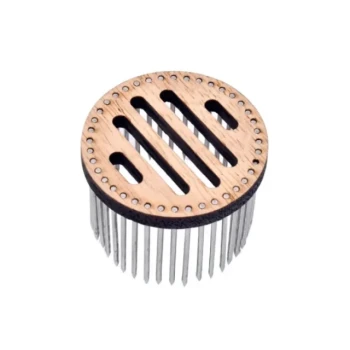
The primary function of specialized laboratory cages is to establish a strictly controlled micro-environment that isolates pesticide exposure as the single experimental variable. These units allow researchers to precisely monitor daily food consumption and survival rates while eliminating environmental fluctuations that could skew data.
Core Takeaway Specialized cages transform variable-rich field conditions into a standardized laboratory setting. By locking down temperature, humidity, and physical containment, they ensure that any observed changes in bee health are attributable solely to the specific pesticide concentration administered, rather than environmental stress or inconsistent feeding.
Establishing Experimental Precision
To conduct valid toxicology research, you must be certain that the biological effects you observe are caused by the chemical in question, not by random chance or external factors.
Standardization of Environmental Factors
In the wild, honeybees face fluctuating temperatures, humidity, and light levels. Specialized cages eliminate these variables by maintaining specific, constant conditions necessary for survival.
This standardization creates a stable baseline. When every bee experiences the exact same environment, researchers can confidently attribute differences in survival or behavior to the chemical treatment.
Accurate Quantification of Dosage
A critical aspect of pesticide research is the dose-response relationship. Simply offering food is not enough; you must know exactly how much was ingested.
These cages are designed to facilitate the precise monitoring of daily food consumption. By tracking intake volumes against survival rates, researchers can calculate the exact toxicity levels of specific pesticide concentrations.
Mitigating Confinement Stress
Isolating social insects like honeybees can induce stress, which acts as a confounding variable—a "hidden" factor that can kill bees regardless of pesticide toxicity.
Mimicking the Natural Hive
To counter this, specialized cages often incorporate internal hive foundations, such as wax-based cell structures.
This design simulates the natural physical environment of a colony. By providing a familiar tactile structure, the cages reduce the stress newly emerged worker bees experience in a confined setting.
Ensuring Causality
The ultimate goal of using these structures is to ensure data integrity.
When stress is minimized via proper cage design, researchers can confirm that differences in lifespan are due to the experimental diet or chemical treatment, rather than the trauma of the artificial environment.
Understanding the Trade-offs
While specialized cages are essential for isolating variables, they represent a reductionist approach to biology.
Artificiality vs. Control
The trade-off for high precision is the loss of holistic colony dynamics. A cage limits the complex social interactions found in a full-scale hive.
You are gaining statistical power regarding specific chemical toxicity, but you are observing bees in a setting that does not fully replicate the complex stressors of the real world, such as foraging flights or predator evasion.
Making the Right Choice for Your Goal
Selecting the right experimental setup depends on the specific variable you need to isolate.
- If your primary focus is Toxicology (Dose-Response): Prioritize cages that offer the most precise mechanisms for measuring food intake to correlate exact consumption with mortality.
- If your primary focus is Chronic Health/Longevity: Ensure your cages include wax-based foundations to minimize confinement stress, preventing "cage effects" from masking the true impact of the treatment.
Use specialized cages when you need to prove that a chemical—and nothing else—is the cause of a biological effect.
Summary Table:
| Feature | Primary Function | Research Benefit |
|---|---|---|
| Environmental Control | Standardizes Temp/Humidity | Eliminates external variables and creates a stable baseline. |
| Dosage Monitoring | Quantifies food consumption | Facilitates precise dose-response calculations for toxicity. |
| Internal Foundations | Mimics natural hive structures | Reduces confinement stress to ensure data integrity. |
| Physical Containment | Isloates pesticide exposure | Confirms causality between chemical treatment and mortality. |
Elevate Your Beekeeping Operations with HONESTBEE
Whether you are conducting precise laboratory research or managing a large-scale commercial operation, HONESTBEE is your dedicated partner in excellence. We provide a comprehensive wholesale portfolio tailored for commercial apiaries and distributors, offering everything from specialized hardware like hive-making and honey-filling machines to a full spectrum of beekeeping tools and essential consumables.
Our expertise helps you optimize productivity and ensure the health of your colonies with professional-grade equipment and honey-themed cultural merchandise. Unlock the full potential of your apiary—contact us today to discuss our wholesale solutions and bulk pricing.
References
- Elisa Pal, Luc Belzunces. Toxicity of the Pesticides Imidacloprid, Difenoconazole and Glyphosate Alone and in Binary and Ternary Mixtures to Winter Honey Bees: Effects on Survival and Antioxidative Defenses. DOI: 10.3390/toxics10030104
This article is also based on technical information from HonestBee Knowledge Base .
Related Products
- Professional Queen Bee Introduction and Transport Cage
- Durable Galvanized Steel Spring Queen Bee Cage
- Professional Multi-Functional Queen Bee Cage
- Professional Queen Cage with Sliding Gate and Feeder Plug
- Professional Multi-Compartment Queen Cage with Sliding Lid
People Also Ask
- Why are specialized queen bee cages used for the banking of mated queen bees? Maximize Commercial Apiary Storage Efficiency
- What is the mechanism of action for using temporary queen bee cages? Master Successful Queen Introduction
- How is a queen bee released from a queen cage? Ensure Safe Colony Integration & Hive Success
- What materials are required to install a queen bee's cage into a hive? Essential Tools for Successful Queen Integration
- How long should a queen bee stay in the cage before being released? Ensure a Successful Introduction