The primary objective of transferring wild honeybee colonies into Movable Frame Hives is to enable non-destructive, standardized data collection. By relocating bees from natural cavities to these hives, researchers can physically remove individual frames to inspect brood development, measure honey production, and count Varroa mites without compromising the colony's structural integrity.
Moving wild colonies to controlled environments transforms inaccessible natural behaviors into measurable scientific data. This process is essential for evaluating Varroa mite resistance and establishing health baselines without requiring the destruction of the nest to see inside.
The Mechanics of Controlled Monitoring
Eliminating Destructive Sampling
In a natural cavity or fixed-comb hive, inspecting the center of the nest often requires cutting out comb, which damages the colony.
Movable Frame Hives solve this by allowing researchers to extract specific sections of the hive for analysis.
This capability is critical for longitudinal studies, where the same colony must be observed repeatedly over time to track health trends.
Standardizing Research Data
Wild colonies in trees or rock crevices vary wildly in volume and comb structure, making comparative data difficult to generate.
Transferring these colonies into standard equipment provides a uniform environment.
This standardization allows researchers to objectively compare mite resistance and productivity across different genetic lines.
Critical Health Metrics
Assessing Varroa Mite Infestation
The primary driver for this transfer is often the need to monitor Varroa mite populations.
Researchers need to perform accurate counts of mites to determine if a wild colony possesses natural resistance traits.
Movable frames allow for the detailed inspection of brood cells where mites reproduce, providing precise infestation rates.
Monitoring Brood and Queen Health
Beyond mites, the frame structure facilitates the observation of the queen's laying patterns and larval development.
This access is the foundation of Integrated Pest Management (IPM).
It enables the early detection of larval diseases and other parasitic infestations that might be hidden deep within a natural nest.
Understanding the Trade-offs
Equipment Limitations vs. Inspection Needs
While Movable Frame Hives are superior for inspection, they differ significantly from the bees' natural habitat.
The transfer process itself changes the colony's environment, potentially altering the very behavior researchers wish to study.
However, the alternative—leaving bees in fixed-comb structures like skeps—makes early epidemic prevention and accurate pathogen monitoring nearly impossible.
Making the Right Choice for Your Research Goal
To determine if colony transfer is required for your project, consider the specific data you need to collect.
- If your primary focus is Varroa Resistance: You must use Movable Frame Hives to allow for the periodic, non-destructive counting of mites and assessment of brood infestation.
- If your primary focus is Natural Nest Architecture: You should avoid transfer, as Movable Frame Hives force bees into a pre-determined structure that masks their natural comb-building instincts.
- If your primary focus is Disease Management (IPM): You should utilize Movable Frame Hives to facilitate the timely detection of larval diseases and pathogen loads that are undetectable in fixed-comb setups.
Transferring colonies is the definitive method for converting anecdotal observations of wild bees into actionable, scientific health data.
Summary Table:
| Feature | Wild Natural Cavities | Movable Frame Hives |
|---|---|---|
| Inspection Method | Destructive (Cutting Comb) | Non-Destructive (Frame Removal) |
| Data Standardization | Low (Variable Structure) | High (Uniform Environment) |
| Varroa Monitoring | Difficult / Inaccurate | Precise (Brood & Mite Counts) |
| Study Type | Short-term / Final | Longitudinal / Repeatable |
| Health Focus | Natural Architecture | Disease Management & IPM |
Elevate Your Bee Health Research with HONESTBEE
At HONESTBEE, we specialize in supporting commercial apiaries and distributors with high-quality beekeeping infrastructure. Whether you are transitioning wild colonies for scientific research or scaling up a commercial operation, our comprehensive wholesale portfolio offers everything you need:
- Precision Hardware: From hive-making machinery to honey-filling systems.
- Professional Equipment: Standardized movable frame hives and essential beekeeping tools.
- Industry Consumables: A wide array of supplies to maintain colony health and productivity.
Ready to enhance your apiary's efficiency and data accuracy? Contact us today to learn how our tailored wholesale solutions can drive your success in the beekeeping industry.
References
- Barbara Locke. Natural Varroa mite-surviving Apis mellifera honeybee populations. DOI: 10.1007/s13592-015-0412-8
This article is also based on technical information from HonestBee Knowledge Base .
Related Products
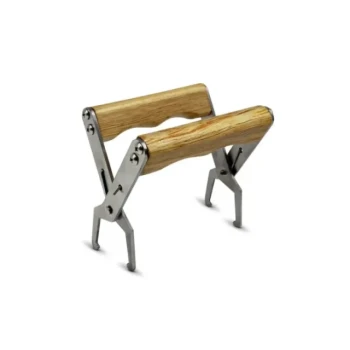
- Professional Grade Foldable Beehive Handles
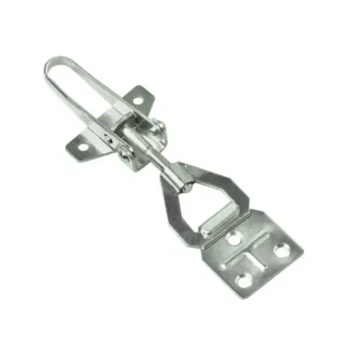
- Heavy Duty Adjustable Hive Connector
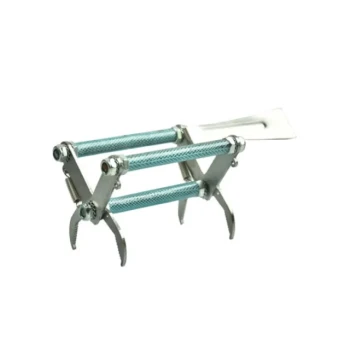
- Multi-Function Plier-Style Frame Grip Hive Tool
- Plastic Bee Frame Beekeeping Hive Frames for Wholesale
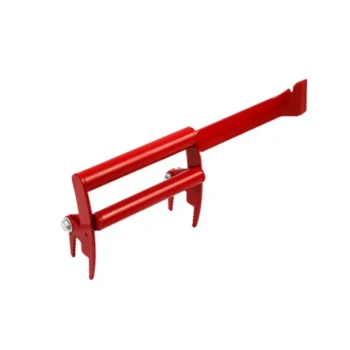
- Heavy-Duty Lever-Action Frame Grip with Hive Tool
People Also Ask
- How do bee hive handles facilitate the evaluation of food stores? Use the Lift Test for Winter Survival
- How do the geometry and dimensions of hive handles influence operational safety and control? Expert Design Insights
- What is a bee hive tool? Discover Why It’s the Most Essential Hand Tool for Every Beekeeper
- What are the common sizes and features of bee hive tools? Choose the Right Tools for Your Apiary
- What is the role of professional hive tools in routine apiary maintenance? Expert Tips for Hive Health and Longevity