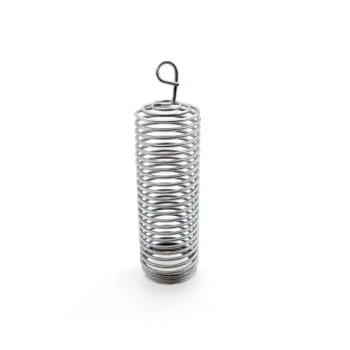
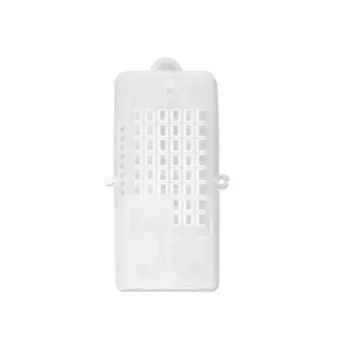
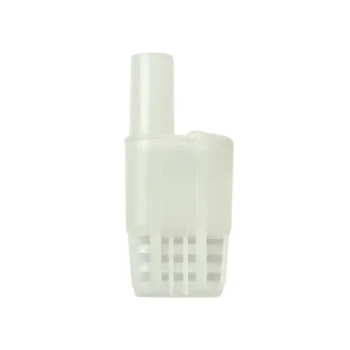
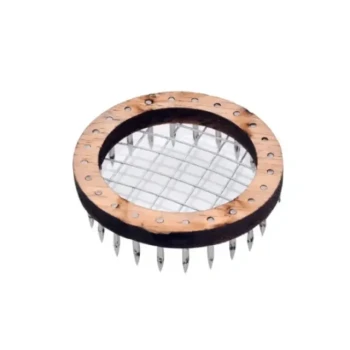
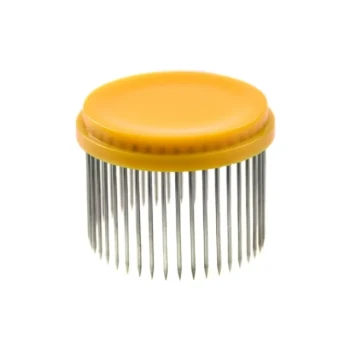
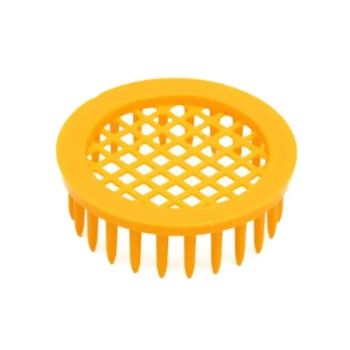
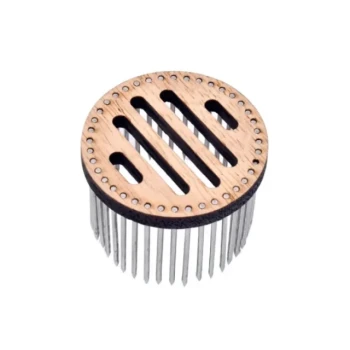
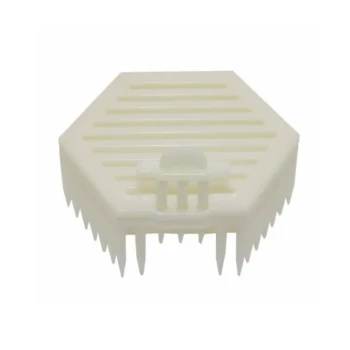
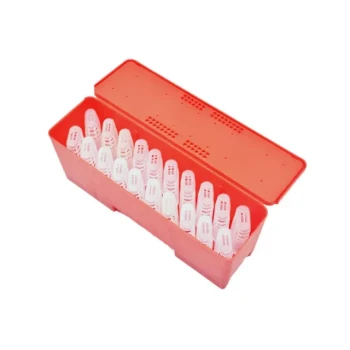
A queen cage is fundamentally a tool for controlled introduction. It functions as a protective barrier that allows a new queen's pheromones to permeate a hive while physically preventing worker bees from attacking her. This separation is vital for overcoming the colony's natural "exclusivity," ensuring the workers accept the new monarch rather than killing her as an intruder.
Colony acceptance is not immediate; it is a biological process driven by scent. The queen cage facilitates a safe transition period, ensuring that your efforts to improve colony genetics do not fail due to rejection.
The Mechanics of Safe Integration
Overcoming Colony Exclusivity
Honeybee colonies operate on a strict system of chemical recognition. Without a cage, a new queen introduced directly into a hive would be viewed as a foreign threat and likely killed immediately.
Pheromone Communication
The mesh screen of the cage allows air to circulate freely. This permits the new queen's unique pheromones to spread throughout the hive, gradually overriding the scent of the previous queen or the colony's queenless state.
Preventing Direct Conflict
While the colony adjusts to the new pheromones, the physical structure of the cage keeps the worker bees from making lethal contact. This "cooling off" period allows aggressive behaviors to subside before the queen is released.
The Role in Genetic Improvement
Protecting High-Value Genetics
Modern beekeeping relies on introducing queens with specific, superior traits, such as disease resistance, high honey yields, or gentle temperaments. The queen cage is the final safeguard in the investment of purchasing or rearing these high-quality queens.
Completing the Rearing Cycle
Professional rearing involves precise tools like grafting needles and plastic cell cups to develop superior larvae. The queen cage serves as the necessary endpoint of this systematic process, ensuring the successful transfer of these carefully bred genetics into production colonies.
Common Pitfalls and Trade-offs
The Risk of Premature Release
Patience is the critical variable in queen introduction. Releasing a queen before the workers have fully habituated to her pheromones usually results in "balling," where workers surround and overheat the new queen to kill her.
Managing the Release Mechanism
Most cages utilize a cork or plug system. A common error is disturbing the mesh screen or the queen herself during the removal of this cork. The process requires a gentle hand to expose the release path without agitating the colony.
Acclimation Time
While the cage is a tool for safety, it is not a permanent habitat. Leaving a queen caged for too long can inhibit her laying potential or cause the colony to attempt to rear their own emergency queen cells, complicating the acceptance process.
Making the Right Choice for Your Goal
To maximize success when replacing queens or improving colony stock, align your usage of the cage with your specific objectives.
- If your primary focus is Colony Survival: Prioritize a slower release process to ensure 100% pheromone acceptance, as rushing can lead to queen loss and colony collapse.
- If your primary focus is Genetic Optimization: Use the cage to safely introduce queens with specific traits (like disease resistance) that were bred using professional rearing tools and artificial insemination.
- If your primary focus is Commercial Production: Utilize standardized plastic components to ensure consistent environmental conditions and ease of handling during the introduction phase.
The queen cage is not just a container; it is the bridge between a chaotic transition and a stable, productive future for your hive.
Summary Table:
| Key Function | Primary Benefit | Role in Success |
|---|---|---|
| Physical Barrier | Prevents worker aggression ("balling") | Protects investment in high-value queens |
| Pheromone Diffusion | Allows chemical recognition by the hive | Ensures colony-wide acceptance of the new scent |
| Controlled Release | Manages the timing of integration | Reduces the risk of rejection and queen loss |
| Genetic Transfer | Facilitates the introduction of superior traits | Enables long-term improvement in honey yield and health |
Elevate Your Apiary with HONESTBEE Professional Solutions
Successful queen introduction is the cornerstone of a productive colony, and at HONESTBEE, we understand the precision required for commercial success. We cater specifically to commercial apiaries and distributors, providing a comprehensive wholesale range of high-quality beekeeping tools and machinery.
From durable queen cages and grafting tools for genetic improvement to industrial-grade honey-filling machines and hive-making equipment, our portfolio covers every facet of modern beekeeping. Partner with us to access the essential industry consumables and hardware designed to maximize your operational efficiency.
Ready to scale your beekeeping business? Contact us today to explore our wholesale offerings and see how our expertise can drive your success.
References
- Soraya Oka Lôbo, Domingos Leite Lima Filho. A influência do curso profissionalizante da ead na atuação do técnico apicultor na microrregião de são raimundo nonato/pi para a construção de conhecimentos e tecnologias. DOI: 10.54019/sesv2n3-014
This article is also based on technical information from HonestBee Knowledge Base .
Related Products
- Durable Galvanized Steel Spring Queen Bee Cage
- Classic Wooden and Mesh California Queen Cage
- Professional Queen Bee Introduction and Transport Cage
- Professional Queen Cage with Sliding Gate and Feeder Plug
- Professional Multi-Compartment Queen Cage with Sliding Lid
People Also Ask
- Why are specialized queen bee cages used for the banking of mated queen bees? Maximize Commercial Apiary Storage Efficiency
- What is the mechanism of action for using temporary queen bee cages? Master Successful Queen Introduction
- What is the step-by-step process for installing a queen bee's cage onto a frame? Ensure Hive Acceptance Safely
- What is the optimal placement for a queen bee cage? Essential Strategies for Successful Re-queening
- What are the advantages and disadvantages of introducing a queen bee by embedding the cage? Boost Your Queen Acceptance