Beekeeping gloves are specialized protective gear designed to shield the hands, wrists, and lower arms from bee stings during hive inspections. While their primary function is creating a sting-resistant barrier, they are manufactured from a diverse range of materials—from heavy-duty leather to thin nitrile—to accommodate different preferences regarding tactile sensitivity and durability.
Beekeeping gloves must achieve a difficult balance between impenetrable safety and the manual dexterity required to manipulate delicate frames. While thick materials offer the highest confidence against stings, experienced apiarists often transition to thinner materials to improve handling precision and minimize accidental harm to the colony.
The Functional Design of Protective Handwear
Protection Beyond the Hand
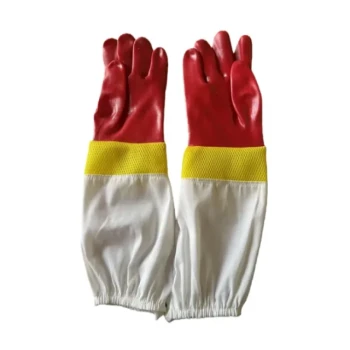
Unlike standard work gloves, beekeeping gloves are designed to protect more than just the fingers and palms. Most models feature a gauntlet base that extends up to the elbow. This design protects the wrists and forearms, which are vulnerable areas when reaching deep into a hive box.
The Importance of the Seal
To prevent bees from crawling inside the gear, these gloves typically feature an elastic band at the top of the gauntlet. For maximum security, the standard protocol is to put the gloves on first and layer the sleeves of the bee suit or jacket over them.
Building Operator Confidence
The psychological benefit of these gloves is as important as the physical protection. In regions with defensive bee species, or for new beekeepers, high-quality protective gear provides the confidence necessary to perform routine management and harvesting safely and efficiently.
Analyzing Material Compositions
Leather (Cowhide and Goatskin)
Leather is the traditional standard for beekeeping due to its durability and high resistance to stings.
- Cowhide: Tends to be thicker and tougher, offering maximum protection but potentially limiting flexibility.
- Goatskin: Offers a superior balance, providing adequate protection while being lighter and more flexible than cowhide. This allows for greater control and feedback.
Synthetic Options (Nitrile, Latex, and Rubber)
For beekeepers prioritizing dexterity, nitrile or latex gloves are the preferred choice. These materials fit tightly like a second skin, offering excellent tactile feedback. While they provide less sting protection than leather, they allow for precise movements, which can be critical for tasks like queen rearing or grafting.
Fabric Variations (Canvas and Cotton)
Thick fabrics like cotton and canvas act as a barrier that bees struggle to penetrate or grip. Canvas gloves are noted for offering good dexterity for specific tasks, such as checking brood frames or harvesting honey. However, thick cotton can become uncomfortable in hot weather.
Ventilation and Comfort
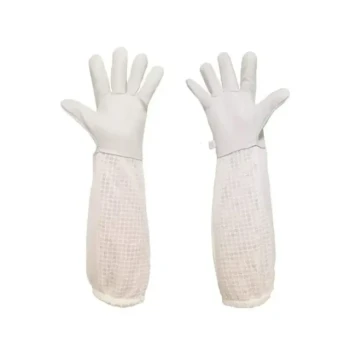
To address overheating, some modern gloves incorporate ventilated mesh layers. These allow airflow to keep the beekeeper cool, though these breathable sections are generally less durable than solid leather or canvas equivalents.
Understanding the Trade-offs: Safety vs. Sensitivity
The Sensitivity Paradox
There is a direct inverse relationship between protection and sensitivity. Very thick gloves (like heavy cowhide) offer near-total immunity to stings, but they significantly reduce tactile sensitivity.
The Risk of "Clumsy" Handling
Reduced sensitivity can lead to clumsy handling of frames. If a beekeeper cannot feel what they are touching, they are more likely to accidentally crush bees. Crushed bees release alarm pheromones, which can agitate the colony and actually increase the likelihood of defensive behavior during the inspection.
Making the Right Choice for Your Goal
Selecting the correct glove material depends largely on your experience level and the specific task at hand.
- If your primary focus is maximum safety: Choose thick leather or heavy cotton gloves with elbow-length gauntlets to ensure sting prevention and build confidence.
- If your primary focus is precision and dexterity: Opt for nitrile, latex, or goatskin gloves to maximize tactile feedback and reduce the risk of crushing bees during delicate inspections.
- If your primary focus is working in high heat: Look for gloves with ventilated mesh gauntlets to prevent overheating while maintaining hand protection.
The best protective gear is the kind that keeps you safe while allowing you to work the hive gently enough to keep the bees calm.
Summary Table:
| Material | Protection Level | Dexterity | Key Benefit |
|---|---|---|---|
| Cowhide Leather | Maximum | Low | Highly sting-resistant and durable for beginners. |
| Goatskin Leather | High | Medium | Excellent balance of safety and flexibility. |
| Nitrile/Latex | Low | Maximum | Best for precision tasks like queen rearing. |
| Canvas/Cotton | Medium | Medium | Breathable and effective for routine inspections. |
| Ventilated Mesh | Medium | Medium | Ideal for comfort and airflow in hot climates. |
Elevate Your Apiary with HONESTBEE Professional Gear
At HONESTBEE, we understand that commercial success in beekeeping requires the perfect balance of safety and efficiency. As a leading global supplier for commercial apiaries and distributors, we provide a comprehensive wholesale range of professional-grade beekeeping tools and machinery.
From sting-resistant protective gloves and high-quality suits to advanced hive-making and honey-filling machines, our portfolio is designed to optimize your operations. Whether you are stocking essential industry consumables or looking for honey-themed cultural merchandise, we deliver the quality your business deserves.
Ready to scale your beekeeping business?
Contact HONESTBEE Today to access our full wholesale catalog and expert support!
Related Products
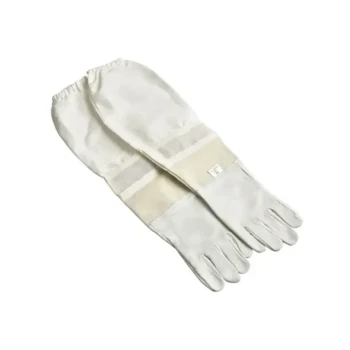
- Beekeeping Gloves Goatskin Leather with Long Cotton Sleeve for Beekeepers
- Heavy Duty Red Rubber Beekeeping Gloves with Vented Mesh Cotton Sleeves
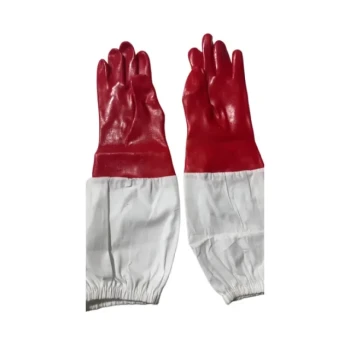
- Heavy Duty Red Rubber Beekeeping Gloves with Extended Pure Cotton Sleeves for Beekeepers
- Goatskin Leather Beekeeper Gloves with Vent Long Sleeve for Beekeeping Honey Bee Sting Proof Protection
- Premium Ventilated Goatskin Beekeeping Gloves with Full 3-Layer Mesh Sleeve
People Also Ask
- What are the characteristics of the best gloves for beekeeping? Choose Protection & Dexterity
- What are the primary purposes of using beekeeping gloves? Protect Your Hands and Ensure Apiary Hygiene
- What types of gloves are available for beekeeping? Choose the Right Protection for Your Hive
- Why is it important for beekeepers to wear gloves? Essential Safety and Confidence for Hive Management
- Why do some experienced beekeepers opt not to wear gloves? Discover the Benefits of Tactile Precision