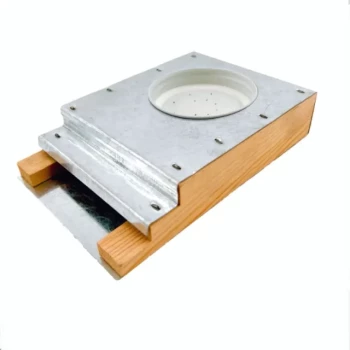
The primary purpose of placing straw or floating materials in shallow syrup feeders is to create a safe landing zone. Without these rafts, honeybees risk drowning in the viscous sugar syrup, leading to unnecessary colony losses during a critical recovery period. These materials provide stable footing, allowing bees to access the supplemental feed without becoming trapped in the liquid.
While supplemental feeding provides essential energy during nectar scarcity, the syrup itself presents a physical hazard to the colony. Floating materials mitigate this risk by offering stable footing, ensuring that your effort to sustain the bees does not accidentally reduce their population.
The Mechanics of Safe Feeding
Overcoming Liquid Viscosity
Sugar syrup is significantly more viscous than water. This thickness makes it difficult for a bee to escape if it breaks the surface tension and falls in.
Straw or floating debris acts as a bridge across this dangerous surface. It allows the bees to walk out over the feed, consume what they need, and retreat safely.
Preventing Worker Attrition
Every worker bee is a valuable resource, particularly during a dearth when resources are scarce.
Failing to provide landing platforms can result in high mortality rates within the feeder itself. Using these consumables ensures that the supplemental feeding cycle strengthens the colony rather than depleting its workforce through accidental drowning.
The Strategic Importance of Dearth Feeding
Preventing Colony Absconding
The dearth period—a time of nectar scarcity—is a stress test for the hive.
If food stores drop below a critical level, the colony may be triggered to abscond, or abandon the hive entirely, in search of better resources. Providing accessible syrup prevents this resource panic and keeps the colony anchored.
Maintaining Queen Activity
The flow of nectar (or syrup) is a primary signal to the queen bee.
Continuous feeding ensures the queen maintains her egg-laying activity despite the lack of natural forage. This prevents a population crash and ensures there is a sufficient generation of foragers ready to capitalize on the next natural honey flow.
Common Pitfalls to Avoid
Neglecting Feeder Maintenance
While straw prevents drowning, it can also harbor mold or bacteria if left too long.
You must ensure that the floating materials are clean and that the syrup does not ferment. Rotting organic material in the feeder can spoil the feed, causing digestive issues for the colony.
Inadequate Coverage
A few pieces of straw are often insufficient for a strong hive.
The feeder surface should be well-covered with floating material to accommodate heavy traffic. If the surface area is too open, the risk of drowning persists during the chaotic "feeding frenzy" that often occurs when fresh syrup is added.
Making the Right Choice for Your Goal
When managing colonies during a dearth, your approach to feeding should align with your specific objectives.
- If your primary focus is Colony Survival: Ensure feeders are easily accessible and filled with floating material to prevent stress-induced absconding.
- If your primary focus is Future Production: Maintain consistent feeding with safe landing zones to keep the queen laying, ensuring a strong workforce for the upcoming honey flow.
By integrating simple safety measures like floating materials, you transform a potential hazard into a reliable lifeline for your apiary.
Summary Table:
| Feature | Purpose & Benefit |
|---|---|
| Floating Material | Creates a safe landing zone and bridge across viscous syrup to prevent drowning. |
| Viscosity Management | Helps bees overcome the surface tension of thick sugar syrup. |
| Colony Preservation | Reduces worker attrition, ensuring the workforce remains strong for future flows. |
| Queen Stimulation | Signals consistent resource availability to maintain steady egg-laying. |
| Strategic Goal | Prevents colony absconding by eliminating resource panic during nectar scarcity. |
Maximize Your Apiary Productivity with HONESTBEE
At HONESTBEE, we understand that every bee counts. As a premier provider for commercial apiaries and distributors, we offer a comprehensive wholesale range of beekeeping tools, machinery, and essential consumables designed to protect your colonies.
Whether you need specialized hive-making machinery, high-efficiency honey-filling systems, or durable feeding supplies, our portfolio is built to scale your operations. Partner with us to access professional-grade hardware and honey-themed cultural merchandise that adds value to your business.
Ready to elevate your beekeeping business? Contact us today to explore our wholesale offerings and see how HONESTBEE can support your growth!
References
- Ishita Mishra Dr. Kiran Rana. Adoption of Recommended Beekeeping Practices in Kumaon Hills of Uttarakhand. DOI: 10.5281/zenodo.5955235
This article is also based on technical information from HonestBee Knowledge Base .
Related Products
- HONESTBEE Round Hive Top Bee Feeder for Syrup
- HONESTBEE Entrance Bee Feeder Efficient Hive Front Liquid Feeding Solution for Beekeeping
- HONESTBEE Entrance Bee Feeder Professional Hive Nutrition Solution for Beekeeping
- HONESTBEE Professional Entrance Bee Feeder Hive Nutrition Solution
- Rapid Bee Feeder White Plastic 2L Round Top Feeder for 8 or 10-Frame Bee Hives
People Also Ask
- What can the round hive top feeder be used for? A Guide to Efficient, Safe Bee Feeding
- What is the capacity of the round hive top feeder for syrup and pollen? A Guide to Targeted Apiary Support
- What types of hive boxes is the round hive top feeder compatible with? Universal Fit for 8 & 10-Frame Langstroth Hives
- What types of feed can be used with the round hive top feeder? Versatile Feeding for Optimal Apiary Health
- What are the different types of top feeders for bees? Choosing the Best Feeder for Your Apiary