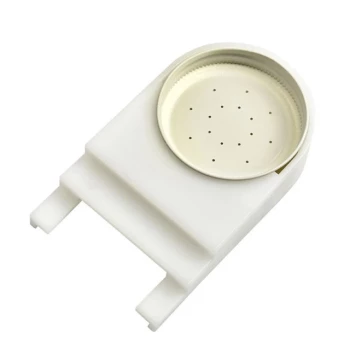
The primary purpose of providing supplemental sugar and protein feeds is to standardize the nutritional state of the colony. This ensures that experimental colonies maintain a balanced energy profile, effectively eliminating behavioral or gene expression variations caused by hunger stress. By stabilizing the nutritional environment, researchers can evaluate the true genetic potential for traits like hygienic behavior without the interference of environmental resource shortages.
Core Insight: In a standardized management context, nutrition is treated as a control variable, not a random variable. Providing consistent artificial feed removes the "noise" of starvation stress, ensuring that any observed changes in colony behavior are the result of genetic regulation rather than a survival response.
Establishing Experimental Integrity
To accurately assess honey bee genetics, the environment must be as consistent as possible. Supplemental feeding serves two critical functions in this scientific context.
Removing Stress Variables
When colonies face food shortages, their gene expression and behavior change significantly as they shift into survival mode.
This "background noise" makes it difficult to isolate specific genetic traits. By providing high-quality sugar and protein, you create a stable energy background. This ensures that the data collected reflects the bees' inherent genetic qualities rather than their immediate reaction to environmental stress.
Focusing on Genetic Potential
Standardized feeding is essential for evaluating specific traits, such as hygienic behavior.
If a colony is malnourished, its ability to perform complex tasks—such as detecting and removing diseased brood—may be compromised regardless of its genetics. Constant nutrition allows the colony to express its full genetic potential, providing researchers with reliable data on the colony's true capabilities.
Operational Survival and Growth
Beyond the scope of genetic research, supplemental feeding addresses the biological necessities of the colony during critical periods.
Bridging Nutritional Gaps
Natural nectar and pollen sources are not always available due to droughts, seasonal changes, or "dearth" periods.
Supplemental sugar syrup acts as a substitute for flower nectar, preventing colony shrinkage or starvation. This intervention allows the colony to maintain strength during stationary periods so they are biologically ready to forage immediately when the next natural honey flow begins.
Fueling Brood Rearing
Sugar provides raw energy, but protein is the building block of life.
Supplements like pea or soy flour provide the amino acids required for nurse bees to rear new brood. This maintenance of physiological stamina ensures that the population does not crash during non-foraging periods, preserving the colony's reproductive vitality and preventing absconding.
Methods for Efficient Delivery
The method of feeding is just as critical as the feed itself to ensure the colony actually benefits from the resources.
Protecting the Resource
Using top-mounted cover feeders provides a protected interface for the diet.
This setup utilizes the internal heat of the hive to keep the diet at an optimal temperature for consumption. Crucially, it prevents external contamination and "robbing" behavior, where bees from other colonies attack to steal the sugar syrup.
Reducing Energy Expenditure
When possible, feeding should be combined with the use of drawn comb (pre-constructed wax frames).
Building wax requires significant energy and honey resources. By providing drawn comb alongside feed, the colony can store resources immediately without metabolic waste. This allows the bees to divert their nutritional reserves toward maintaining core hive temperature and surviving winter conditions.
Understanding the Trade-offs
While supplemental feeding is a powerful tool, it must be managed carefully to avoid unintended consequences.
The Limits of Artificial Substitutes
Sugar syrup and protein flours are vital substitutes, but they are interventions used during unnatural situations or scarcity.
They are critical when installing packaged bees or recovering from stress, but they require precise management. Beekeepers must regulate colony strength to peak at the right time; feeding too heavily when no storage space is available can lead to swarm issues or resource mismanagement.
Dependence on Equipment
The efficiency of feeding relies heavily on the equipment used.
Poorly designed feeders can lead to drowning bees or attract pests. The reliance on cover feeders is necessary to ensure that nurse bees—who rarely leave the brood nest—have direct access to nutrition to maximize feeding efficiency.
Making the Right Choice for Your Goal
The strategy for supplemental feeding changes based on whether your objective is scientific data or honey production.
- If your primary focus is Genetic Research: Prioritize continuous, standardized feeding to eliminate nutritional stress, ensuring that all behavioral observations are attributable to genetics rather than environmental factors.
- If your primary focus is Colony Survival & Production: Use supplemental feeding defensively to prevent starvation during droughts and offensively to build population strength just before the primary honey flow begins.
Standardized feeding is not just about keeping bees alive; it is about creating a predictable biological baseline that allows for accurate genetic assessment and consistent colony management.
Summary Table:
| Feeding Goal | Primary Purpose | Key Supplement Type | Expected Outcome |
|---|---|---|---|
| Scientific Research | Standardize nutritional state | High-quality sugar & protein | Eliminates "noise" in genetic data |
| Colony Growth | Fuel brood rearing | Protein (Pea/Soy flour) | Maintains nurse bee stamina |
| Stress Management | Remove starvation stress | Sugar Syrup | Prevents colony shrinkage & absconding |
| Operational Readiness | Bridge nutritional gaps | Energy & protein sources | Ensures bees are ready for honey flow |
Maximize Your Colony Potential with HONESTBEE
At HONESTBEE, we understand that whether you are conducting precision genetic research or managing a commercial honey production operation, the right tools make the difference. We provide a comprehensive range of professional-grade beekeeping equipment designed to streamline your supplemental feeding strategy.
Our Value to Your Business:
- Wholesale Solutions: We cater to commercial apiaries and distributors with high-volume beekeeping tools and machinery.
- Precision Hardware: From specialized hive-making equipment to honey-filling machines, we supply the infrastructure for success.
- Expert Support: Our portfolio covers the full spectrum of essential consumables and cultural merchandise to enhance your brand's reach.
Ready to elevate your apiary management? Contact us today to discuss our wholesale offerings and industrial solutions tailored to your needs.
References
- Érica Weinstein Teixeira, Amy L. Toth. Transcriptomic analysis suggests candidate genes for hygienic behavior in African-derived Apis mellifera honeybees. DOI: 10.1007/s13592-020-00834-6
This article is also based on technical information from HonestBee Knowledge Base .
Related Products
- HONESTBEE Round Hive Top Bee Feeder for Syrup
- HONESTBEE Professional Entrance Bee Feeder Hive Nutrition Solution
- HONESTBEE Entrance Bee Feeder Professional Hive Nutrition Solution for Beekeeping
- In-Hive Dual Compartment Frame Bee Feeder for Targeted Colony Nutrition
- HONESTBEE Professional Hive Top Bee Feeder Feeding Solution
People Also Ask
- What can the round hive top feeder be used for? A Guide to Efficient, Safe Bee Feeding
- What types of hive boxes is the round hive top feeder compatible with? Universal Fit for 8 & 10-Frame Langstroth Hives
- What is the capacity of the round hive top feeder for syrup and pollen? A Guide to Targeted Apiary Support
- What types of feed can be used with the round hive top feeder? Versatile Feeding for Optimal Apiary Health
- How do you use a top feeder for bees? Expert Guide to Installation and High-Volume Hive Feeding