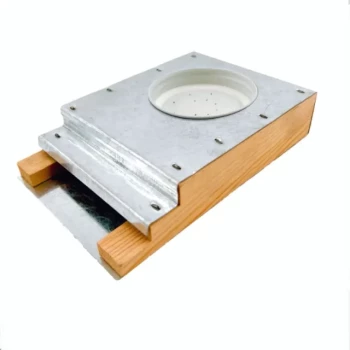
Honey serves as a critical biological battery, storing energy to sustain the colony when natural resources vanish. Its primary purpose is to act as a long-term food reserve during adverse conditions such as winter, droughts, or extended periods of poor weather. When these natural reserves are insufficient, honey bee feeders function as a life-support system, providing essential nutrition to maintain colony health and biological continuity.
Core Takeaway Honey is the colony's natural insurance policy against starvation during resource gaps like winter or drought. Honey bee feeders act as a vital management tool to bridge these gaps artificially, simulating nectar flow to maintain the queen's egg-laying vitality and the colony’s immune strength.
The Biological Imperative of Honey Reserves
Survival Through Scarcity
For a honey bee colony, storing honey is not a luxury; it is a survival mechanism. The colony stockpiles this food source to ensure it has energy when nectar-producing plants are unavailable.
This typically occurs during the winter months when foraging is impossible. However, it is equally critical during droughts or periods of erratic weather that prevent bees from flying.
Biochemical Stability
Honey is a complex reserve designed for longevity, but it requires specific conditions to remain stable. To function as a reliable food source, it must be protected from external factors that could degrade its quality.
If the honey absorbs moisture or interacts with reactive materials, its nutritional value can be compromised. This makes the environment in which it is stored—whether in the hive or by a beekeeper—critical for survival.
How Feeders Assist During Shortages
Bridging the Nutritional Gap
When natural forage is insufficient, a colony risks starvation and collapse. Honey bee feeders intervene by delivering supplemental nutrition directly to the bees.
These devices, which can be configured internally or externally, ensure the colony receives the calories it needs to continue its biological processes. They are essential management tools when natural nectar and pollen sources are cut off by environmental factors.
Maintaining Colony Momentum
Feeders do more than just prevent starvation; they simulate a continuous nutrient supply. This simulation is vital for keeping the colony’s biological rhythm active.
By providing a steady flow of sugar syrup or protein supplements, feeders maintain the queen bee’s egg-laying vitality. Simultaneously, this supplemental nutrition supports worker bee immunity and energy metabolism, ensuring the colony remains strong enough to capitalize on future honey flows.
Understanding the Trade-offs and Risks
The Fragility of the Reserve
While honey is a powerful energy source, it is highly hygroscopic, meaning it readily absorbs moisture from the air. If the storage environment is not tightly sealed, the honey will take on water, diluting its concentration and risking fermentation.
Whether stored by the bees or the beekeeper, isolation from atmospheric moisture is essential. For beekeepers storing harvested honey, using sterilized, sealed containers is critical to prevent microbial contamination and maintain the stability of enzymes and amino acids.
Material Reactivity
The container used for storage plays a significant role in preserving the quality of the reserve. Metal containers should be strictly avoided as they can cause oxidation.
To ensure the honey remains safe for consumption or re-feeding to the colony, it should be kept in glass or food-safe plastic. It must also be stored in a cool location away from direct sunlight to preserve its sensitive biochemical markers.
Making the Right Choice for Your Colony
To effectively manage colony health through storage and feeding, consider your immediate objectives:
- If your primary focus is colony survival during winter: Prioritize the use of feeders to deliver sugar syrup, simulating nectar to maintain energy metabolism when natural stores run low.
- If your primary focus is population growth: Use feeders to provide protein supplements and syrup, which sustains the queen's egg-laying vitality and prepares the workforce for future blooms.
- If your primary focus is preserving harvested honey: Store the product in sealed, non-metal containers in a cool, dark place to prevent oxidation and moisture absorption.
Effective colony management relies on recognizing when natural reserves are insufficient and intervening immediately to maintain the hive's biological momentum.
Summary Table:
| Feature | Biological Purpose | Management Function |
|---|---|---|
| Honey Reserves | Long-term energy storage for winter/drought | Natural insurance against colony starvation |
| Bee Feeders | Artificial nectar flow simulation | Maintains queen vitality and immune strength |
| Storage Needs | Moisture & oxidation protection | Prevents fermentation and nutritional loss |
| Strategic Goal | Biological continuity | Bridging resource gaps for population growth |
Secure Your Apiary's Success with HONESTBEE
Don't let unpredictable weather threaten your colony's survival. HONESTBEE empowers commercial apiaries and distributors with high-performance beekeeping tools designed for durability and efficiency. Whether you need specialized honey bee feeders to bridge nutritional gaps, advanced honey-filling machines, or bulk industry consumables, we provide the full spectrum of equipment to scale your operations.
Maximize your productivity and protect your bees today.
Contact our wholesale experts to discuss your equipment needs
Related Products
- Rapid Bee Feeder White Plastic 2L Round Top Feeder for 8 or 10-Frame Bee Hives
- HONESTBEE Entrance Bee Feeder Professional Hive Nutrition Solution for Beekeeping
- White Plastic 0.5L Beekeeping Entrance Feeder for Bees
- HONESTBEE Professional Entrance Bee Feeder Hive Nutrition Solution
- HONESTBEE Entrance Bee Feeder Efficient Hive Front Liquid Feeding Solution for Beekeeping
People Also Ask
- What should be done with feeders and equipment after feeding bees? Essential Steps for Apiary Health
- What should be done if feed in a feeder is not consumed by the bees? Prevent Hive Mold with Prompt Feed Management
- What is the necessity of specialized internal or entrance feeders? Secure Your Hive with Professional Feeding Tools
- How do bee feeders work to preserve colony health during nectar shortages? Essential Guide for Beekeepers
- How quickly does a medium to strong colony usually empty a feeder? A Beekeeper's Guide to Hive Health