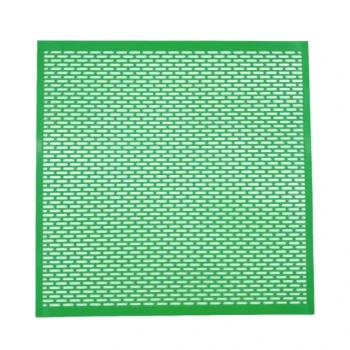
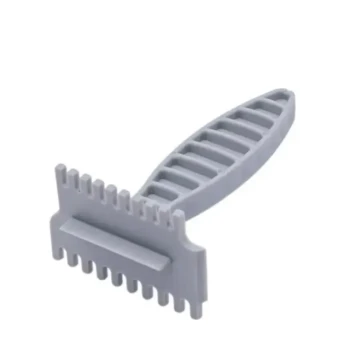
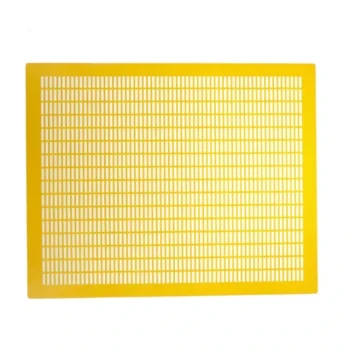
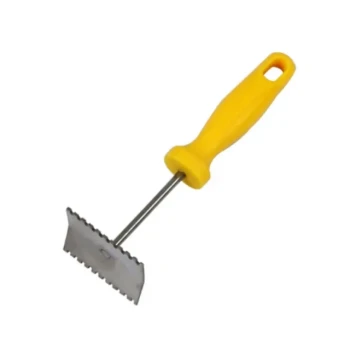
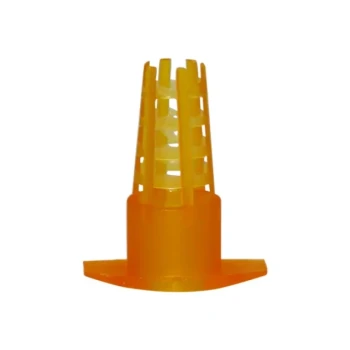
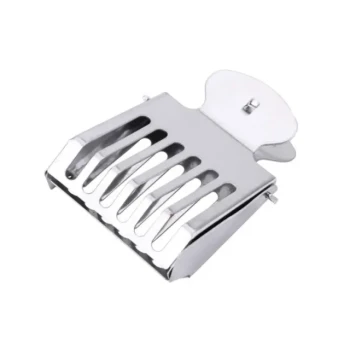
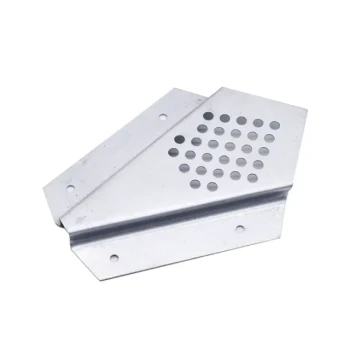
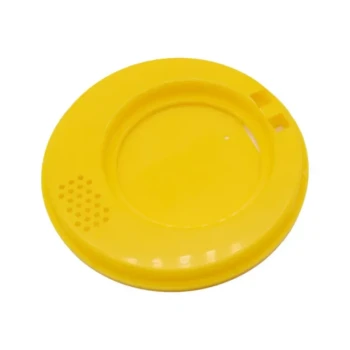
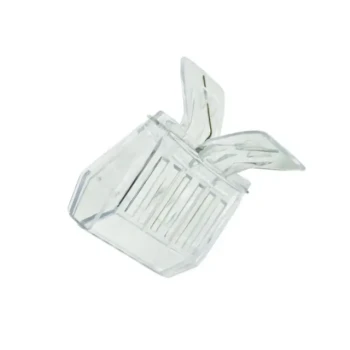
A queen excluder serves as a precise biological filter placed directly between the brood chamber and the honey supers during the honey accumulation phase. Its grid dimensions are engineered to allow smaller worker bees to pass through freely while physically blocking the larger queen bee. This confinement prevents the queen from laying eggs in the upper stores, ensuring the harvested honey remains free of larvae and brood.
Core Takeaway The queen excluder is primarily an organizational tool that segregates the colony’s reproductive duties from its food storage. By isolating the queen, beekeepers ensure the purity of the honey harvest and simplify hive management, though this control comes with biological trade-offs regarding population density.
The Mechanics of Hive Segmentation
Ensuring Resource Purity
The primary function of the excluder is to guarantee that the honey supers contain only honey and pollen.
By restricting the queen's movement, you prevent the mixing of biological stages (eggs and larvae) with food stores. This allows for a pure analysis of resource accumulation and ensures the final product is clean for extraction.
Streamlining Extraction
When the honey supers are free of brood, the extraction process becomes significantly more efficient.
Beekeepers do not need to sort through frames to separate those containing larvae. This physical separation simplifies the workflow during harvest, saving time and labor.
Improving Inspection Efficiency
Using an excluder compartmentalizes the hive, making routine checks faster.
Because the queen is confined to the lower brood chambers, beekeepers can inspect the honey supers without worrying about the queen's location. This eliminates the need to search through upper stores to find her.
Biological Implications and Pest Control
Confining Mite Reproduction
Varroa mites reproduce inside the brood cells of the honey bee.
By physically isolating the queen and her egg-laying activity to specific lower boxes, the excluder effectively confines mite reproduction to those areas. This restriction prevents mites from spreading into the honey supers via brood frames.
Standardizing Monitoring
The confinement of brood facilitates a more standardized approach to pest monitoring.
With brood development limited to a specific area, beekeepers can focus their monitoring efforts on the brood chamber. This prevents experimental errors or inconsistent data that might arise if brood and honey storage areas were mixed.
Understanding the Trade-offs
Impact on Swarming Behavior
While excluders provide organization, they can inadvertently increase swarming pressure.
Colonies managed without excluders often have more space for the queen to lay, which may result in lower swarming frequencies. Restricting the queen too tightly can trigger the colony's impulse to swarm due to perceived congestion.
Population and Production Variables
The use of an excluder does not inherently stop honey production, but it can influence the colony's total population.
Colonies without excluders allow for higher queen productivity and larger populations. Consequently, these larger, unrestricted colonies have the potential to produce more honey than those restricted by an excluder, provided they do not swarm.
Making the Right Choice for Your Goal
Deciding whether to use a queen excluder depends on balancing the need for operational efficiency against the biological drive of the colony.
- If your primary focus is Ease of Extraction: Use an excluder to guarantee brood-free frames and a simplified harvesting process.
- If your primary focus is Pest Management: Use an excluder to confine brood and mite reproduction to the lower chambers for standardized monitoring.
- If your primary focus is Maximum Population: Consider managing without an excluder to allow the queen unrestricted laying space, potentially reducing swarming risks.
The effective use of a queen excluder turns hive management from a chaotic biological process into a structured, manageable system.
Summary Table:
| Feature | Benefit of Using a Queen Excluder | Impact on Hive Management |
|---|---|---|
| Honey Purity | Prevents queen from laying eggs in supers | Ensures larvae-free, clean honey for extraction |
| Extraction Efficiency | No need to sort frames by content | Reduces labor time and simplifies harvesting workflow |
| Inspection Speed | Confines queen to lower brood chambers | Faster checks; no need to search supers for the queen |
| Pest Control | Limits Varroa mite reproduction areas | Concentrates monitoring and treatment in brood zones |
| Swarm Control | Regulates space for queen laying | Requires careful monitoring to avoid congestion-led swarming |
Elevate Your Apiary’s Productivity with HONESTBEE
Are you looking to scale your honey production or optimize your distribution network? HONESTBEE provides commercial apiaries and distributors with the professional-grade tools needed to succeed. From precision-engineered queen excluders and hive-making machinery to high-capacity honey-filling machines and essential consumables, we offer a comprehensive wholesale portfolio designed for efficiency.
Partner with us to access specialized hardware and honey-themed merchandise that adds value to your brand. Contact HONESTBEE today to discuss our wholesale offerings and discover how our expert beekeeping solutions can streamline your operations and maximize your harvest.
References
- Melina P. Michlig, María Rosa Repetti. Sublethal exposure to imidacloprid in commercial Apis mellifera colonies in early spring: performance of honey bees and insecticide transference between in-hive products. DOI: 10.1007/s13592-023-00993-2
This article is also based on technical information from HonestBee Knowledge Base .
Related Products
- High Performance Plastic Queen Excluder for Beekeeping and Apiary Management
- Lightweight Durable Plastic Queen Excluder Scraper for Beekeeping
- Premium Wood Framed Metal Wire Queen Bee Excluder
- Professional Plastic Queen Excluder for Modern Beekeeping
- Metal Queen Bee Excluder for Beekeeping
People Also Ask
- What are the characteristics of a plastic queen excluder? Key Benefits for Cost-Effective Beekeeping
- What are the operational and cost advantages of using plastic queen excluders over metal or wire excluders in commercial hive management? Discover how they reduce labor, prevent wing damage, and lower total costs.
- What types of queen excluders are available for beekeepers? Choose the Right Tool for Your Hive
- Why are standardized hive frames and queen excluders essential for maintaining honey purity and quality? Scale Your Purity
- Do plastic queen excluders work? A Cost-Effective Solution for Modern Apiaries