The primary purpose of using pollen substitutes in early spring is to stimulate brood rearing and rapidly increase the colony's population. By introducing high-protein patties before natural pollen is consistently available, you prevent the queen from delaying egg-laying due to depleted winter stores. This ensures the hive has a sufficient workforce to take full advantage of the first major spring bloom.
Pollen substitutes act as a bridge across the nutritional gap of early spring. They provide the essential protein required for larval development, allowing the colony to expand its numbers even when fluctuating weather prevents natural foraging.
The Role of Protein in Spring Expansion
Fueling Brood Development
The queen bee’s egg-laying rate is directly tied to the resources available within the hive.
High-protein pollen substitutes provide the specific nutrients necessary for the development of young bees. Without this protein input, the colony cannot support the metabolic needs of the larvae, stalling the hive's transition from winter survival to spring growth.
Overcoming Resource Scarcity
By late winter or early spring, a hive's natural pollen stores are often critically low or exhausted.
If the colony waits for fresh pollen from nature, the population boom will be delayed. Substitutes ensure the queen can begin the brooding process immediately, regardless of the status of remaining winter stores.
Navigating Unpredictable Weather
Mitigating Foraging Gaps
Spring weather is notoriously volatile, with fluctuating temperatures that often prevent bees from leaving the hive.
Even if some flowers are blooming, bees cannot forage consistently during cold snaps or rainy periods. Pollen patties serve as a reliable, internal food source that keeps brood rearing active during these interruptions.
Preparing for the Honey Flow
The goal of spring management is to have a peak population ready before the main nectar flow begins.
Relying solely on natural sources often results in the population peaking too late to maximize honey production. Substitutes accelerate growth so the workforce is mature and ready when the first major bloom arrives.
Understanding the Trade-offs
Distinguishing Between Supplement Types
It is critical to distinguish between winter patties and pollen substitutes, as they serve different biological functions.
Winter patties are carbohydrate-heavy and used in February or March strictly to supplement dwindling honey stores for survival. Pollen substitutes are protein-heavy and should only be introduced when you are ready to trigger rapid population growth and brood rearing.
Timing is Critical
Introducing high-protein substitutes too early can be detrimental if the weather is still consistently freezing.
Stimulating brood rearing requires the cluster to maintain higher internal temperatures to keep the larvae warm. If you trigger this expansion during deep winter, the bees may consume their stores too quickly trying to heat the brood, risking starvation or cold stress.
Making the Right Choice for Your Goal
To maximize your apiary's success, choose your supplement based on the colony's immediate physiological needs:
- If your primary focus is winter survival: Use carbohydrate-rich winter patties to replenish honey stores without stimulating premature brood growth.
- If your primary focus is spring expansion: Introduce high-protein pollen substitutes as temperatures stabilize to fuel larval development and build a large foraging force.
By aligning your nutritional support with the hive's developmental cycle, you transform a surviving colony into a thriving production unit.
Summary Table:
| Aspect | Purpose/Impact | Key Benefit |
|---|---|---|
| Primary Goal | Stimulate brood rearing | Rapidly increases colony population |
| Nutritional Role | Provides essential protein | Supports larval development & worker metabolism |
| Weather Buffer | Mitigates foraging gaps | Maintains hive growth during cold or rainy snaps |
| Strategic Timing | Early spring introduction | Ensures peak workforce for the main nectar flow |
| Product Choice | High-protein vs. Carbs | High-protein fuels expansion; Carbs ensure survival |
Maximize Your Apiary's Potential with HONESTBEE
At HONESTBEE, we understand that commercial success starts with healthy, thriving colonies. As a premier partner for commercial apiaries and distributors, we offer a comprehensive wholesale range designed to scale your operations. From specialized beekeeping tools and hive-making machinery to high-efficiency honey-filling machines and essential consumables, we provide the hardware and support you need to maximize your spring yield.
Ready to elevate your production and secure your supply chain? Contact us today to explore our full spectrum of professional beekeeping solutions and wholesale opportunities!
Related Products
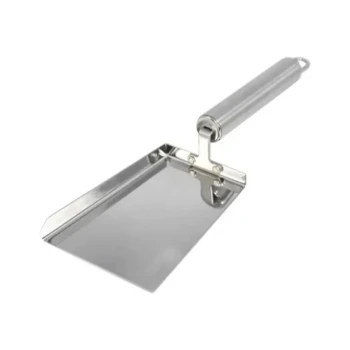
- Heavy-Duty Ergonomic Stainless Steel Pollen Shovel
- Stainless Steel Pollen Shovel with Wooden Handle
- Removable Plastic Pollen Trap With Ventilated Tray for Bees Pollen Collector
- Heavy-Duty Ergonomic Grip Galvanized Pollen Shovel
- Plastic Bee Pollen Trap Strips Comb Catcher Collector
People Also Ask
- How is pollen cleaned after it has been dried? Master Efficient Separation for Pure Bee Pollen
- What methods are used to clean harvested bee pollen? Scale Your Beekeeping Operations with the Right Technique
- How can harvested bee pollen be cleaned to remove impurities? Efficient Methods for Commercial and Hobbyist Beekeepers
- How do bee pollen collection tools affect the quality of bee pollen used in functional dairy ice cream production?
- What is the technical significance of using specialized cutting tools for propolis? Master Precision Pollen Harvesting