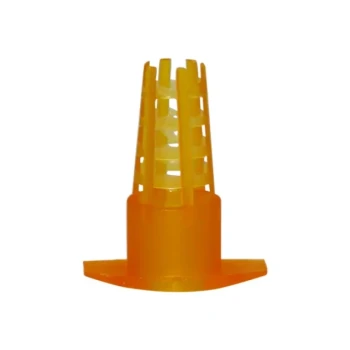
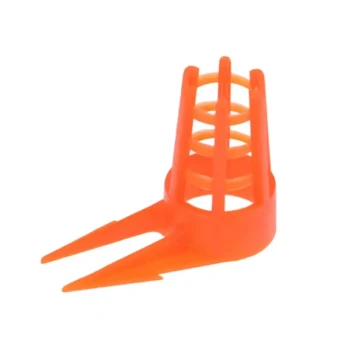
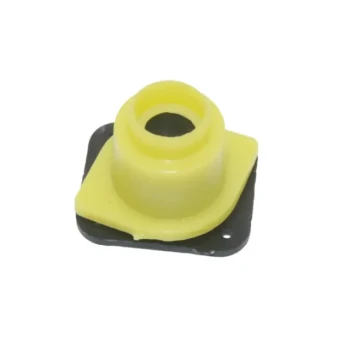
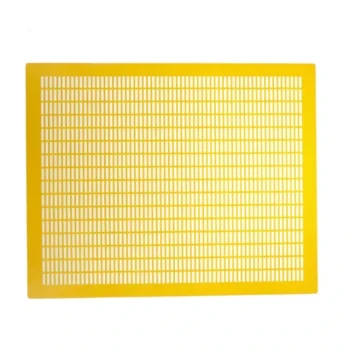
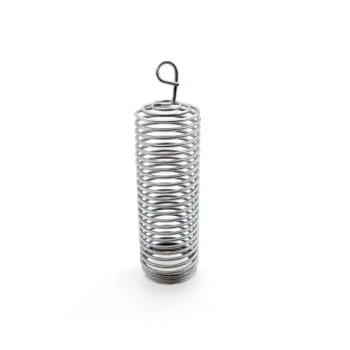
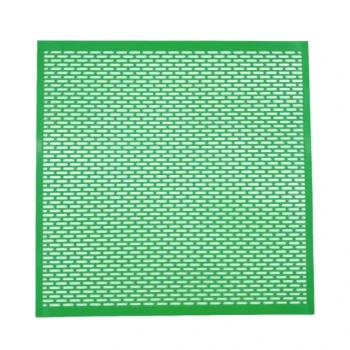
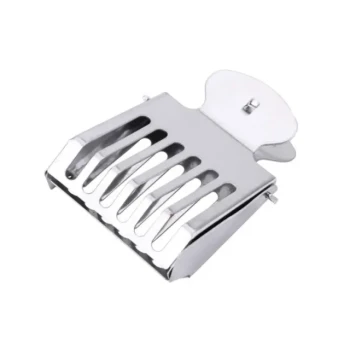
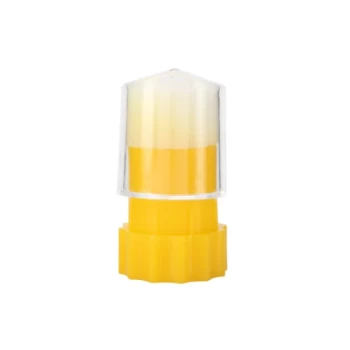
Queen cell protectors and introduction cages act as critical defensive barriers designed to bypass the natural, destructive instincts of the hive during the final phase of queen development. Specifically, these tools insulate unhatched queen cells to ensure that the first queen to emerge cannot kill her unhatched rivals, and to prevent worker bees from tearing down the cells before the queens can hatch.
Core Insight Nature dictates that the first virgin queen to emerge will instinctively seek out and sting remaining queen cells to eliminate competition. By placing protectors over mature cells, beekeepers artificially suspend this biological imperative, allowing every viable queen to hatch safely and significantly increasing the overall yield of the rearing operation.
The Biological Necessity of Isolation
Mitigating the "First-Hatch" Risk
In a natural hive environment, queen emergence is a race. The first virgin queen to hatch views all other queen cells as existential threats to her reign. Without physical separation, she will immediately locate unhatched cells and sting the occupants to death, destroying your potential stock.
Preventing Worker Sabotage
While the rival queen is the primary threat, the colony's mood can be unpredictable. Worker bees may occasionally decide to tear down or damage queen cells that are nearing maturity. Protectors shield the delicate wax cell walls from mandible damage, ensuring the developing pupa remains undisturbed until emergence.
Creating a Controlled Hatching Environment
By isolating the cells, you transform the hive into a standardized incubator. Each queen hatches into a protected micro-environment, often a small cage or cup component. This allows for safe observation and collection without the risk of the queens fighting or flying off immediately upon emergence.
Operational Timing and Strategy
The Critical Installation Window
Timing is precise in queen rearing. Protectors must be installed approximately 10 to 11 days after grafting. At this stage, the queen cells are capped and mature, but the queens have not yet begun to emerge, making it the ideal moment to introduce the barrier.
Maximizing Production Yields
For commercial or large-scale operations, relying on natural selection is inefficient. Using protectors ensures that every successfully grafted and developed larva has the opportunity to become a harvestable queen. This moves the operation from a "survival of the fittest" model to a "maximum viability" model.
Understanding the Trade-offs
Increased Management Intensity
Using these tools requires strict adherence to a calendar. Missing the 10-11 day installation window by even 24 hours can result in an early emergence and the total loss of a batch due to fratricide. The beekeeper must be vigilant and punctual.
Handling Sensitivity
While protectors offer safety, the installation process involves handling mature cells. This is a delicate operation; jarring the cell or exposing it to temperature extremes during the transfer into the protector can damage the pupa. Careless manipulation can ruin the queen regardless of the protective equipment used.
The Role of Cages in Introduction
Safe Pheromone Acclimatization
Once the queen has hatched, the focus shifts from physical protection to social acceptance. Metal mesh introduction cages allow the colony to smell and interact with the new queen without being able to sting or ball her. This facilitates the exchange of pheromones required for the hive to accept her as their new leader.
Preventing Accidental Injury
Beyond aggression, queens are vulnerable to beekeeper error. keeping a queen in a cage during routine inspections or frame manipulation mitigates the risk of accidental crushing or injury caused by poor lighting or shifting frames.
Making the Right Choice for Your Goal
To maximize your success rate, match your tool use to your specific objective:
- If your primary focus is maximizing the number of queens harvested: Strictly install cell protectors on day 10 post-grafting to prevent the first emergence from destroying the batch.
- If your primary focus is safely replacing a queen in an existing hive: Utilize a metal mesh introduction cage to allow for a gradual release and pheromone integration over several days.
- If your primary focus is observing queen quality before use: Allow queens to hatch into retention cages where they can be visually inspected for defects without risk of flight or injury.
By mechanically separating the queens from their natural rivals and potential aggressors, you convert a chaotic biological struggle into a predictable, high-yield production process.
Summary Table:
| Tool Type | Primary Function | Ideal Timing | Key Benefit |
|---|---|---|---|
| Queen Cell Protector | Shields unhatched cells from emerged queens | 10-11 days post-grafting | Prevents 'first-hatch' destruction |
| Introduction Cage | Facilitates pheromone acclimatization | During queen replacement | Ensures hive acceptance & safety |
| Retention Cage | Holds hatched virgin queens for inspection | Post-emergence | Allows for quality control & observation |
Scaling Your Queen Production?
At HONESTBEE, we understand that in commercial beekeeping, every queen counts. Our premium queen cell protectors and introduction cages are designed to eliminate the risks of the 'first-hatch' instinct, ensuring your operation achieves maximum viability.
As a dedicated partner to commercial apiaries and distributors, HONESTBEE offers a comprehensive wholesale range, including:
- Precision Tools: High-quality protectors, grafting equipment, and introduction cages.
- Industrial Machinery: Specialized hive-making and honey-filling machines to streamline your workflow.
- Complete Consumables: A full spectrum of essential supplies and honey-themed cultural merchandise.
Don't leave your queen yield to chance. Contact HONESTBEE Today to discover how our professional-grade equipment can enhance your apiary's efficiency and output.
References
- Fazlah Wahid, Siva Nand Singh. Different artificial methods for rearing queen of Apis mellifera. DOI: 10.22271/j.ento.2023.v11.i4a.9214
This article is also based on technical information from HonestBee Knowledge Base .
Related Products
- JZBZ Style Shipping Cell Protector for Queen Rearing Kit
- JZBZ Style Push-In Cell Protector for Professional Queen Rearing Kits
- Premium Nicot Style Cell Bar Holder and Queen Cell Cup Holder System
- JZBZ Langstroth Queen Rearing Frame for Beekeeping
- Portable Queen Bee Incubator with 12V Car Adapter for Safe Transport
People Also Ask
- What is the purpose of queen cell protectors? Safeguard Your Queen Rearing Success
- How can aluminum foil be used to protect a queen cell? Low-Cost Shielding for Queen Introduction
- What are some methods and types of queen cell protectors? Safeguard Your Queen Introduction Process
- What is the primary reason for using queen cell protectors? Secure Your Yield with Proven Protection
- What is the role of queen cell protectors and emergence cages? Secure Your Genetic Stock and Hive Stability