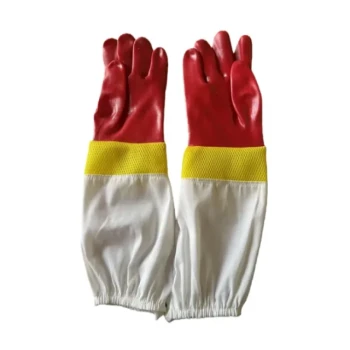
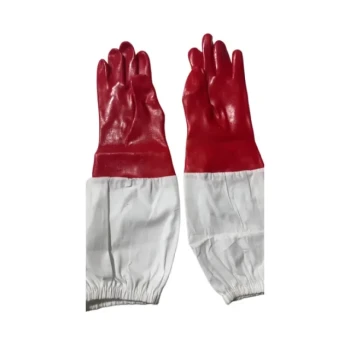
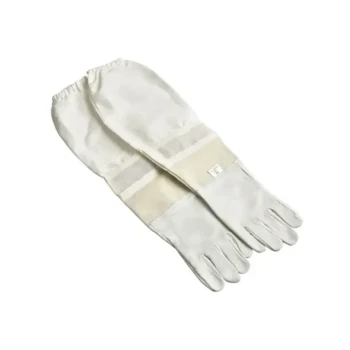
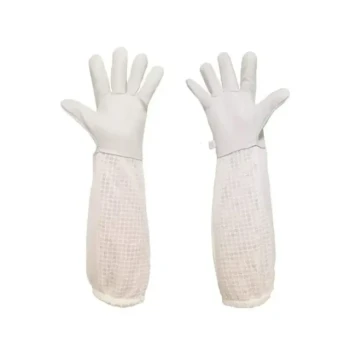
The primary purpose of beekeeping gloves is to provide a physical barrier against stings while acting as a crucial psychological aid for the beekeeper. They shield the hands—which are frequent moving targets during hive inspections—and help mask the shaky, fumbling movements often caused by nervousness, preventing bees from reacting defensively to the beekeeper's anxiety.
Core Takeaway While gloves provide physical safety, their true value lies in confidence; they allow a beginner to remain calm and deliberate, which is the single most effective way to keep a colony docile during inspections.
The Role of Gloves in Hive Management
Building Confidence for Beginners
For those new to the craft, the fear of being stung can lead to hesitation or jerky movements. Gloves act as a safeguard, allowing the beekeeper to focus on learning hive mechanics rather than worrying about pain.
This psychological comfort is essential. It enables the beekeeper to build the necessary confidence to eventually handle bees with greater ease.
Minimizing Defensive Reactions
Bees are highly sensitive to movement and behavior. They can detect the shaky hands associated with nervousness.
By wearing gloves, a beekeeper dampens the transmission of these nervous vibrations. This prevents the bees from perceiving a threat, effectively breaking the cycle where human anxiety triggers bee aggression.
Protection Against Environmental Factors
Beyond stings, gloves keep hands clean from hive byproducts. They act as a shield against sticky substances like propolis, a resinous glue bees use to seal cracks, which can be difficult to remove from bare skin.
Understanding the Trade-offs
The Cost of Reduced Dexterity
The significant downside to wearing gloves is a loss of tactile feedback. Thick materials like leather can make fingers feel clumsy, limiting the "touch and finesse" required for delicate hive operations.
The Risk of Accidental Harm
Paradoxically, protective gear can sometimes endanger the bees. Due to reduced sensitivity, a gloved beekeeper is more likely to accidentally crush bees while manipulating frames.
Crushed bees release alarm pheromones, which can agitate the entire colony. This is why many experienced beekeepers eventually transition to bare hands—they prioritize the precision needed to avoid hurting the bees over their own protection.
Selecting the Right Gear
Heavy-Duty Materials
Standard beekeeping gloves are typically made of soft leather, thick cotton, or other tough materials. These often extend to the elbow and offer the highest level of sting protection, making them ideal for beginners or when managing particularly aggressive hives.
High-Dexterity Alternatives
Some beekeepers opt for nitrile gloves. These offer a middle ground: they are thinner than leather, providing better sensitivity and flexibility, but offer less protection against deep stings compared to heavy-duty options.
Making the Right Choice for Your Goal
Whether you wear gloves depends on your experience level and the specific temperament of your hive.
- If your primary focus is learning and building confidence: Wear thick leather or cotton gloves to mask nervousness and ensure you remain calm.
- If your primary focus is precision and gentleness: Consider using bare hands or thin nitrile gloves to maximize dexterity and minimize the risk of crushing bees.
- If your primary focus is managing an aggressive hive: Always prioritize safety and use heavy-duty gloves to prevent stings regardless of your experience level.
The best approach is to start with full protection and gradually reduce it as your skill and calmness improve.
Summary Table:
| Glove Type | Material | Key Advantage | Best For |
|---|---|---|---|
| Heavy-Duty | Leather / Thick Cotton | Maximum sting protection & elbow coverage | Beginners & Aggressive Hives |
| High-Dexterity | Nitrile / Rubber | Better tactile feedback & sensitivity | Experienced keepers & Precision work |
| No Gloves | Bare Skin | Peak precision; zero risk of crushing bees | Expert keepers & Gentle colonies |
Scale Your Beekeeping Operation with HONESTBEE
At HONESTBEE, we understand that success in commercial beekeeping requires the right balance of protection and precision. Whether you are a large-scale commercial apiary or a specialized distributor, we provide a comprehensive wholesale catalog designed to meet your needs.
Our value to you:
- Full Spectrum Supply: From professional-grade protective gear to heavy-duty hive-making and honey-filling machinery.
- Industry Consumables: A wide array of essential consumables and honey-themed cultural merchandise to expand your retail range.
- Wholesale Excellence: Competitive pricing on high-quality beekeeping tools and hardware.
Ready to equip your business with the industry's best tools? Contact us today to discuss your wholesale needs and see how our expertise can drive your growth.
Related Products
- Beekeeping Gloves Goatskin Leather with Long Cotton Sleeve for Beekeepers
- Heavy Duty Red Rubber Beekeeping Gloves with Vented Mesh Cotton Sleeves
- Heavy Duty Red Rubber Beekeeping Gloves with Extended Pure Cotton Sleeves for Beekeepers
- Goatskin Leather Beekeeper Gloves with Vent Long Sleeve for Beekeeping Honey Bee Sting Proof Protection
- Premium Ventilated Goatskin Beekeeping Gloves with Full 3-Layer Mesh Sleeve
People Also Ask
- What are the characteristics of the best gloves for beekeeping? Choose Protection & Dexterity
- What are the primary purposes of using beekeeping gloves? Protect Your Hands and Ensure Apiary Hygiene
- What types of gloves are available for beekeeping? Choose the Right Protection for Your Hive
- Why is it important for beekeepers to wear gloves? Essential Safety and Confidence for Hive Management
- Why do some experienced beekeepers opt not to wear gloves? Discover the Benefits of Tactile Precision