Winter patties serve as a critical emergency life-raft for honeybee colonies facing starvation. They are solid blocks of supplemental feed—composed primarily of sugar for carbohydrates and a small amount of pollen—designed to sustain bees during cold months when natural resources are unavailable and the colony’s internal honey stores have been exhausted.
Core Takeaway Winter patties are distinct from standard growth feeds; they are a survival tool used to prevent starvation in freezing conditions. By providing accessible carbohydrates directly to the cluster, they offer energy without stimulating the colony to rear brood prematurely.
The Strategic Role of Winter Patties
Composition for Survival
Winter patties are formulated differently than spring or summer supplements. They consist largely of sugar carbohydrates to provide the immediate thermal energy bees need to shiver and generate heat within the winter cluster.
Preventing Premature Growth
Crucially, these patties contain only small amounts of pollen. High-protein feeds signal the queen to begin laying eggs (brood rearing). In the dead of winter, a colony cannot afford the biological energy required to keep brood warm. The low-pollen formulation of winter patties avoids triggering this dangerous cycle.
Accessibility in the Cold
Unlike liquid syrup, which can freeze or lower the hive temperature, winter patties are solid. They are typically placed directly on top of the frames, right above the bee cluster. This ensures the bees can access food without breaking their thermal formation or traveling to a distant feeder.
Integrating Data and Environmental Management
Monitoring Hive Needs
Determining when to apply winter patties is often a data-driven decision. Beekeepers may use environmental sensors to monitor the internal temperature (ideally 34–36°C for brood, though lower for winter clusters) and humidity.
The Decision to Feed
If sensor data indicates a drop in the colony's ability to regulate heat, it often signals that their fuel source (honey) is low. In this scenario, introducing winter patties provides the necessary fuel to mitigate the effects of high-stress wintering environments.
Understanding the Trade-offs
Winter Patties vs. Liquid Feeders
While Dolittle feeders and Boardman feeders are excellent for delivering syrup during the spring or fall to build stores, they are generally unsuitable for deep winter. Liquid feed adds moisture to the hive—which can be fatal in freezing temperatures—and is difficult for bees to process when cold. Winter patties bypass these risks.
Feed vs. Insulation
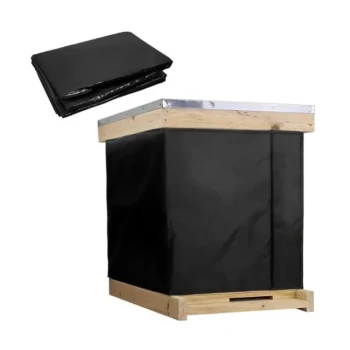
Winter patties provide fuel, but they do not stop heat loss. They should often be used in conjunction with specialized insulation blankets. Insulation acts as a thermal barrier to retain the heat the bees generate, while the patties provide the calories required to generate that heat. Relying on food alone without insulation can force the bees to over-consume resources just to stay warm, depleting the patty too quickly.
Making the Right Choice for Your Goal
## How to Apply This to Your Project
- If your primary focus is preventing starvation in freezing weather: Apply winter patties directly above the cluster to provide emergency carbohydrates without adding moisture.
- If your primary focus is reducing energy consumption: Install insulation blankets to create a stable microclimate, reducing the caloric burn required for the bees to survive.
- If your primary focus is stimulating spring growth: Wait until the weather warms, then switch to liquid syrup via Dolittle feeders or high-protein pollen patties to encourage brood rearing.
Successful winter management relies on balancing thermal conservation with accessible, emergency nutrition to ensure the colony remains viable for spring pollination.
Summary Table:
| Feature | Winter Patties | Liquid Syrup (Spring/Fall) | Pollen Patties (Growth) |
|---|---|---|---|
| Primary Goal | Emergency Survival | Building Honey Stores | Stimulating Brood Rearing |
| Main Ingredient | Carbohydrates (Sugar) | Liquid Sucrose | High Protein (Pollen) |
| Moisture Content | Very Low (Solid) | High (Liquid) | Moderate |
| Best Temp. | Freezing / Deep Winter | Above 50°F (10°C) | Early Spring / Fall |
| Placement | Directly above cluster | Internal/External feeder | Near brood nest |
Maximize Overwintering Success with HONESTBEE
Ensure your commercial apiary or distribution network is prepared for the harshest winters. HONESTBEE provides high-quality beekeeping tools, specialized hive-making machinery, and essential consumables designed for large-scale operations. From protective insulation blankets to precision honey-filling machines, we empower beekeepers and distributors to maintain healthy, productive colonies year-round.
Ready to secure your winter survival strategy? Contact our wholesale experts today to explore our full equipment portfolio.
Related Products
People Also Ask
- What are the steps to properly wrap a beehive for winter? Ensure Your Colony Survives the Cold
- When is the best time to wrap a beehive for winter? A Guide to Perfect Winterization Timing
- How do professional insulation wraps provide protection for bee colonies? Optimize Winter Survival & Energy Efficiency
- What are the technical benefits of using winter wraps for beehive insulation? Boost Colony Survival & Hive Health
- What are the benefits of using insulated covers for hives? Ensure Colony Survival and Health