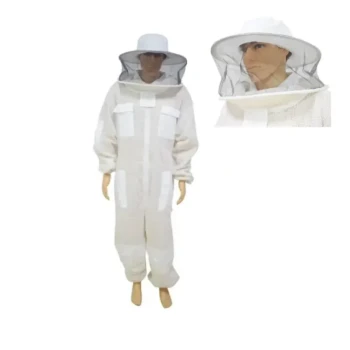
Immediate composure is the single most important factor. If a bee breaches your veil, you must freeze your instinct to swat or run. Slowly retreat from the apiary to a safe distance, allow the bee to crawl away from your face, and only then unfasten your gear to release it.
The greatest danger when a bee enters your veil is not the sting itself, but the panic reaction it provokes. By controlling your movement and retreating to a safe distance, you prevent a single confused bee from escalating into a defensive hive response.
Managing the Physiological Response
Overcoming the Instinct to Panic
Your primary objective is to remain calm. The natural human reaction to an insect near the eyes is to flinch or swat, but this must be suppressed.
Panic triggers rapid movements, which the bee perceives as aggression. This behavior activates the bee's defensive stinging mechanism, turning a lost forager into an attacker.
The Strategy of Slow Retreat
Once you have stabilized your own reaction, you must separate yourself from the colony. Slowly retreat from the hive.
Staying near the hive while agitated risks signaling danger to the rest of the colony. Moving away isolates the problem and prevents other guard bees from joining the potential conflict.
Executing the Release Protocol
Positioning the Insect
Do not attempt to remove the veil while the bee is directly in front of your eyes or nose.
Once you are in an open area safely away from the hive, wait for the bee to crawl toward the sides or top of the mesh. This ensures the bee is not trapped against your skin when the veil collapses or shifts during removal.
Safe Veil Removal
With the bee positioned away from your face, slowly unfasten the veil.
Remove the gear gently to create an exit route. Allow the insect to fly away naturally rather than trying to brush it out.
Common Pitfalls to Avoid
The Error of Immediate Removal
A common mistake is ripping the veil off immediately upon discovering the breach.
Doing this while standing next to an open hive exposes your face to thousands of other bees. You must prioritize distance over immediate relief.
The Danger of Swatting
Attempting to crush or swat the bee inside the veil is rarely successful and highly dangerous.
This action almost guarantees a sting, often on the face or neck. Furthermore, crushing a bee releases alarm pheromones that stick to your clothing, marking you as a target for other bees even after you retreat.
Making the Right Choice for Safety
Ultimately, handling a breach is an exercise in self-discipline.
- If your primary focus is personal safety: Prioritize freezing your movement to prevent the bee from perceiving a threat.
- If your primary focus is colony management: Ensure you have retreated far enough that your removal of the veil does not attract guard bees from the hive entrance.
Mastering this protocol turns a potentially traumatic event into a manageable, minor interruption.
Summary Table:
| Action Phase | Recommended Protocol | Critical Mistake to Avoid |
|---|---|---|
| Immediate Reaction | Freeze and remain calm | Swatting, flailing, or running |
| Movement | Retreat slowly from the apiary | Ripping off the veil near the hive |
| Positioning | Wait for bee to move to mesh sides | Crushing the bee (releases pheromones) |
| Resolution | Gently unfasten gear in safe zone | Rapid movements that trigger aggression |
Elevate Your Apiary Safety with Professional Gear
Protecting yourself and your team starts with high-quality, reliable equipment. At HONESTBEE, we specialize in supporting commercial apiaries and distributors with premium beekeeping solutions. From puncture-resistant veils and protective suits to advanced hive-making and honey-filling machinery, our comprehensive wholesale portfolio is designed to enhance efficiency and safety.
Whether you are scaling your operations or supplying the industry with essential consumables and cultural merchandise, HONESTBEE delivers the tools you need to succeed.
Ready to upgrade your equipment? Contact us today to explore our wholesale offerings!
Related Products
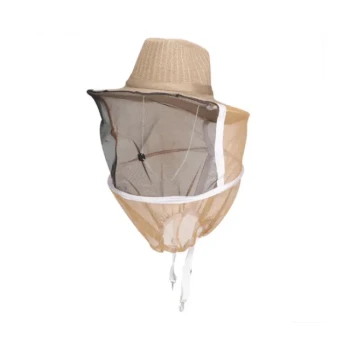
- Beekeeper Cowboy Hat and Veil for Beekeeping
- Professional Square Folding Wire Mesh Beekeeping Veil
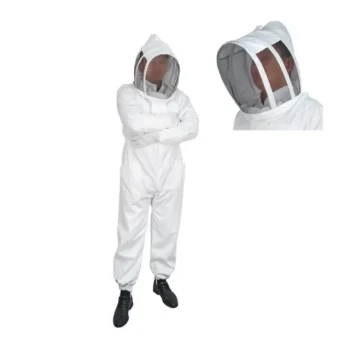
- Premium Cotton Beekeeper Suit with Reinforced Fencing Veil
- Premium Cowboy Beekeeper Hat with Visibility Veil Outdoor Professional Beekeeping Protective Gear
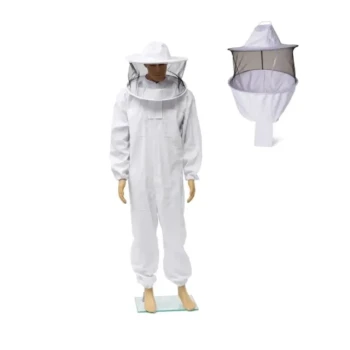
- Professional Cotton Beekeeper Suit with Round Veil Design for Commercial Apiaries
People Also Ask
- What is the correct way to wash a beekeeping hat and veil? Safe Hand-Washing Guide to Protect Your Gear
- What are the components and importance of a beekeeper's hat and veil? Essential Safety Gear for Apiary Success
- What are the differences between a separated and an attached beekeeping hat and veil? Security vs. Versatility
- What are the design specifications for an effective beekeeping hat and veil? Professional Standards for Protection
- What is the function of a beekeeping hat and veil? Essential Protection for Safe Hive Management