The optimal time to install a queen excluder is only after the bees have successfully drawn out approximately 3 to 4 frames of wax within the honey super. Installing the excluder before this work has begun can create a psychological barrier for the colony, significantly hindering their willingness to enter the super and build new comb.
The queen excluder is a tool for segregation, not initiation; it ensures honey purity by keeping the queen out of the supers, but it must only be introduced once the bees have already established the super as an active workspace.
Understanding the Role of the Excluder
The Biological Barrier
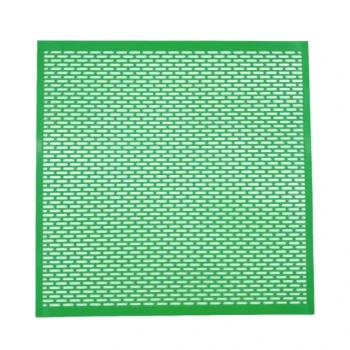
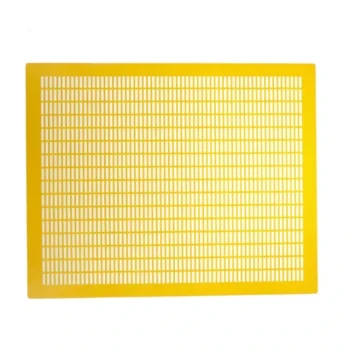
A queen excluder is a specialized screen placed between the brood boxes (where the colony lives and raises young) and the honey super (where surplus honey is stored).
Selective Passage
The device functions as a filter. The spacing is precise enough to allow smaller worker bees to pass through freely to store nectar.
However, it is too narrow for the larger queen to pass. This physical constraint prevents her from laying eggs in the upper frames, ensuring your harvest consists solely of honey, not brood.
Optimizing Installation Timing
The Risk of Early Installation
Timing is the most critical variable in this procedure. If you place a queen excluder over a box of undrawn foundation immediately, the bees often view it as a ceiling rather than a doorway.
This can result in the colony refusing to draw out the wax in the super, effectively stalling your honey production.
The "3-to-4 Frame" Rule
To overcome this hesitation, you must allow the bees to enter the super without restriction first.
Wait until the bees have drawn out approximately 3 to 4 frames of wax. Once this comb is established, the colony views the area as part of the hive, and they will continue to cross the excluder to utilize the space.
Operational Adjustments Post-Installation
Transitioning Food Sources
Once the excluder is in place and the bees are working the super, you must adjust your hive management.
Reduce or stop feeding sugar syrup at this stage.
Encouraging Natural Forage
The goal of the honey super is to capture natural nectar flows. Removing artificial feed encourages the bees to fill the newly drawn comb with natural nectar, resulting in true honey rather than stored syrup.
Common Pitfalls to Avoid
Stalling Comb Production
The most common error is placing the excluder on top of the brood box at the same time you add a super with bare foundation.
This creates a "barrier effect." The bees may become reluctant to pass through the metal or plastic grid to do the hard work of wax building, leaving the super empty while the brood box becomes congested.
Misunderstanding the Purpose
Do not view the excluder as a tool to force bees into the super. It is strictly a management tool to keep the queen out.
If the foundation has not been drawn, the excluder acts as an impediment to progress rather than a safeguard for honey quality.
Making the Right Choice for Your Goal
To ensure a productive honey harvest without disrupting the colony's workflow, follow these specific guidelines:
- If your primary focus is drawing new comb: Leave the excluder off initially and allow the bees unrestricted access until at least 3 to 4 frames are drawn out.
- If your primary focus is honey purity: Install the excluder once the comb is established to guarantee the queen cannot lay eggs in your harvest frames.
- If your primary focus is nectar flow: Cease feeding immediately upon installation to ensure the super is filled with natural honey sources.
By respecting the colony's need to establish their workspace first, you ensure the excluder acts as a helpful boundary rather than a hindrance to production.
Summary Table:
| Step | Timing/Condition | Purpose/Action |
|---|---|---|
| Initial Addition | Add honey super with foundation | Allow unrestricted access for wax building |
| The 3-4 Frame Rule | After 3-4 frames of comb are drawn | Ensures bees accept the super as part of the hive |
| Excluder Installation | Once work is established in super | Place between brood box and super to block the queen |
| Feed Management | Post-installation | Stop sugar syrup to ensure pure natural nectar storage |
| Maintenance | Ongoing during nectar flow | Check for honey purity and queen exclusion |
Elevate Your Apiary with HONESTBEE Professional Solutions
Optimizing your honey harvest requires the right balance of timing and high-quality equipment. HONESTBEE is dedicated to supporting commercial apiaries and distributors with a comprehensive range of professional-grade beekeeping tools.
Whether you need precision-spaced queen excluders, durable hive-making machinery, or high-capacity honey-filling systems, we provide the hardware and essential consumables necessary to scale your operations. Our expert-selected portfolio ensures your colony productivity remains high while your honey purity is guaranteed.
Ready to upgrade your wholesale supply? Contact HONESTBEE Today to discuss how our specialized machinery and beekeeping equipment can drive your business success.
Related Products
- High Performance Plastic Queen Excluder for Beekeeping and Apiary Management
- Professional Plastic Queen Excluder for Modern Beekeeping
- Lightweight Durable Plastic Queen Excluder Scraper for Beekeeping
- Metal Queen Bee Excluder for Beekeeping
- Premium Wood Framed Metal Wire Queen Bee Excluder
People Also Ask
- What are the characteristics of a plastic queen excluder? Key Benefits for Cost-Effective Beekeeping
- What are the operational and cost advantages of using plastic queen excluders over metal or wire excluders in commercial hive management? Discover how they reduce labor, prevent wing damage, and lower total costs.
- What types of queen excluders are available for beekeepers? Choose the Right Tool for Your Hive
- Why are standardized hive frames and queen excluders essential for maintaining honey purity and quality? Scale Your Purity
- Do plastic queen excluders work? A Cost-Effective Solution for Modern Apiaries