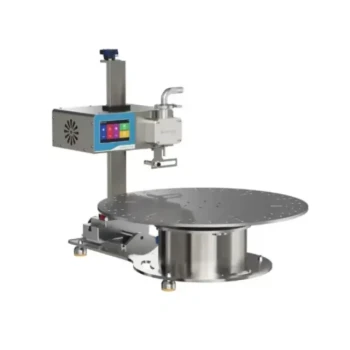
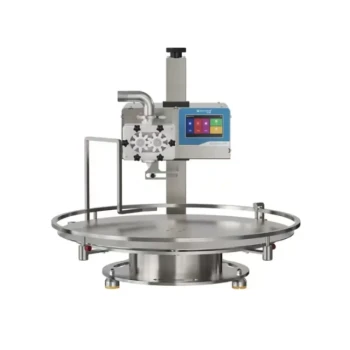
To ensure consistent performance and safety, the recommended weekly maintenance for a honey stick machine consists of four specific actions: verifying safety systems (switches, interlocks, alarms), cleaning the photoelectric registration sensor, tightening loose mechanical fasteners, and inspecting film belts for wear and proper tension.
Weekly maintenance serves as the critical bridge between daily sanitation and long-term component care, focusing primarily on mechanical stability and sensor accuracy to prevent production drift.
Critical Safety and Mechanical Integrity
Verifying Safety Systems
Your first priority is to ensure the correct working order of all safety mechanisms. This includes testing safety switches, interlocks, and alarms to guarantee they trigger correctly during an emergency.
Securing Mechanical Fasteners
Vibration from normal operation can gradually loosen the machine's structural components. You must inspect the unit for any loose nuts and screws and tighten them immediately to maintain structural rigidity.
Optimizing Film Handling and Accuracy
Cleaning the Photoelectric Sensor
The photoelectric registration sensor is responsible for detecting film marks to ensure accurate packaging cuts. You must wash and clean this sensor weekly to prevent dust or residue from causing registration errors.
Managing Film Belt Tension
The film belts drive the packaging material through the machine and are subject to constant friction. Inspect these belts for physical wear and tear, and tighten them to ensure they maintain the proper tension required for smooth feeding.
Essential Safety Protocols During Maintenance
Proper Shutdown Procedures
Before performing any checks, particularly when tightening screws or inspecting belts, the machine must be turned off completely. This prevents accidental startup and potential injury from moving parts.
Personal Protective Equipment (PPE)
Operators should strictly adhere to safety guidelines by wearing appropriate PPE. This includes safety goggles, gloves, and overalls to protect against pinch points or residual heat.
Common Pitfalls to Avoid
Confusing Daily Hygiene with Weekly Maintenance
Do not assume that weekly checks cover sanitation needs. Removal of honey buildup and spillage is a daily requirement, whereas weekly maintenance focuses on mechanical calibration and safety features.
Ignoring Sensor Clarity
A common mistake is neglecting the photoelectric sensor until packaging errors occur. Failing to clean this sensor weekly can lead to wasted film and product due to misalignment, even if the mechanical parts are working perfectly.
Making the Right Choice for Your Goal
To maximize the lifespan and efficiency of your honey stick machine, prioritize your tasks based on your operational targets:
- If your primary focus is Operator Safety: Prioritize the comprehensive testing of interlocks, alarms, and safety switches to ensure the emergency systems function without failure.
- If your primary focus is Packaging Precision: Focus your efforts on cleaning the photoelectric sensor and adjusting film belt tension to guarantee the film aligns perfectly every time.
- If your primary focus is Machine Longevity: Be diligent about tightening loose nuts and screws to prevent vibration damage from compounding over time.
Consistent weekly attention to these mechanical and sensory components is the most effective way to prevent costly downtime and ensure uniform product quality.
Summary Table:
| Maintenance Task | Key Action | Benefit |
|---|---|---|
| Safety Systems | Test switches, interlocks, and alarms | Ensures operator protection & emergency readiness |
| Photoelectric Sensor | Clean lens of dust and honey residue | Prevents packaging misalignment and film waste |
| Mechanical Fasteners | Tighten loose nuts, bolts, and screws | Reduces vibration damage and maintains structural integrity |
| Film Belts | Inspect for wear and adjust tension | Ensures smooth material feeding and consistent stick length |
Scale Your Honey Production with HONESTBEE Precision
Maintaining your equipment is just the first step—having the right machinery is what drives growth. HONESTBEE specializes in empowering commercial apiaries and global distributors with professional-grade beekeeping tools and industrial machinery.
Whether you need high-efficiency honey-filling machines, specialized hive-making hardware, or a consistent supply of industry consumables, we provide the comprehensive wholesale solutions your business demands. Partner with us to enhance your operational efficiency and bring premium honey products to market faster.
Ready to upgrade your facility? Contact our experts today to discuss our full spectrum of beekeeping equipment and tailored wholesale offers.
Related Products
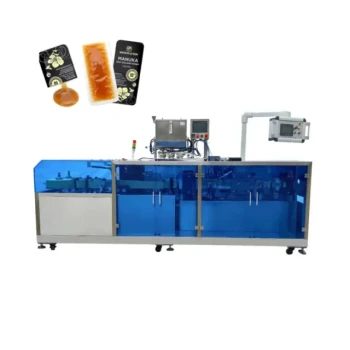
- Honey Stick Filler Vertical Paste Sachet Packing Machine for Honey Sachets
- Modern Stainless Steel Honey Dipper Stirrer
- Professional Plastic Honey Dipper for Easy Honey Drizzling
- Automatic Single-Dose Snap & Squeeze Honey Sachets Packing Machine
- Modern Honeycomb Pattern Wooden Honey Dipper for Stirring and Drizzling
People Also Ask
- How do honey stick and honey sachet machines differ? Choose the Right Packaging for Your Honey
- What are the main functions of a honey sachet packing machine? Boost Efficiency with Automated Precision
- What are the advantages of honey sachet packing machines? Boost Efficiency & Unlock New Markets
- What types of filling and packing machines are available for different scales of honey production? Expert Solutions
- What is the working principle of a honey stick packing machine? Automate Your Honey Production Line