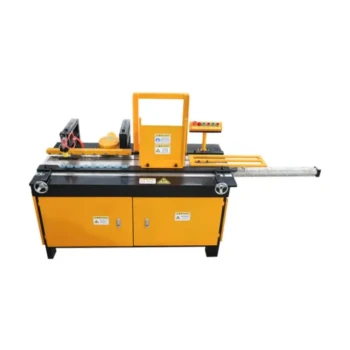
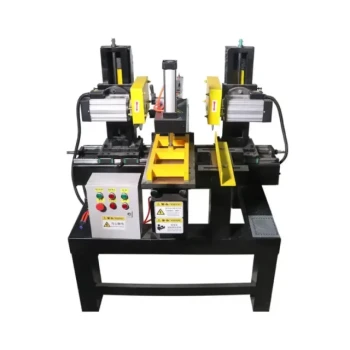
The significance of professional hive-making machinery lies in its ability to enforce standardization, transforming beekeeping from a variable craft into a scalable industrial operation. By producing hive components with absolute consistency, this machinery creates the necessary physical infrastructure for mechanized transport, automated honey processing, and the rapid management of thousands of colonies simultaneously.
The Core Takeaway While manual construction introduces variability, professional machinery establishes an ecosystem of interchangeable parts. This hardware standardization is the prerequisite for reducing labor costs, integrating with automated extraction lines, and ensuring the structural integrity required for migratory commercial beekeeping.
The Foundation of Scalability: Standardization
Enabling Mechanized Logistics
In large-scale operations, hives must be moved frequently for pollination contracts and honey flows. Professional machinery ensures every hive body has identical dimensions.
This uniformity allows for efficient stacking and mechanized loading and unloading. It eliminates the physical instability caused by irregular components, significantly reducing the labor required to move thousands of units.
Streamlining Asset Management
When managing an apiary of commercial scale, distinct or custom-fitted parts are a logistical liability. Industrial machinery produces fully interchangeable components.
This allows beekeepers to replace damaged frames, bottom boards, or covers instantly without modification. This "plug-and-play" capability simplifies inventory management and drastically reduces maintenance downtime.
Economic and Operational Efficiency
Reducing Acquisition and Labor Costs
Industrial hive-making machinery enables the rapid mass production of components. This volume production lowers the acquisition cost per unit, making the initial investment in infrastructure more viable for large startups.
Furthermore, standardized gear reduces the labor time per hive during routine inspections. Beekeepers do not waste time adjusting ill-fitting frames or lids, allowing them to manage more colonies per man-hour.
Integration with Automated Processing
Modern commercial apiaries rely on automated lines for honey extraction and filtration. These robots and uncappers require precise tolerances to function without jamming.
Machinery-produced hives ensure total compatibility with this downstream equipment. Without this precision, the efficiency gains of automated extraction would be lost to manual intervention and equipment malfunctions.
Impact on Colony Health and Welfare
Enhancing Environmental Control
High-precision woodworking ensures tight closures and exact joint fits. This minimizes gaps that cause external heat loss, helping the colony maintain its internal climate with less energy expenditure.
Superior temperature control is critical for reducing environmental stress. By stabilizing the hive environment, this infrastructure helps mitigate risks associated with Colony Collapse Disorder (CCD).
Disease and Pest Resistance
Precision manufacturing reduces the physical vulnerabilities of the hive. Tight tolerances effectively reduce bee robbing by eliminating gaps where intruder bees or pests could enter.
Additionally, optimized internal designs facilitate better hygiene. Structurally sound hives minimize physical stress on bees during long-distance transport, preserving the overall vitality of the colony.
Understanding the Trade-offs
High Initial Capital Investment
Implementing professional hive-making machinery requires significant upfront capital. For smaller operations, the cost of the machinery may outweigh the benefits of localized production, making this a strategy specifically suited for commercial scaling.
Rigidity of Design
Once machinery is tooled for a specific dimension or standard, changing the hive design becomes difficult and costly. This locks the apiary into a specific hardware standard, reducing the flexibility to experiment with novel hive configurations without substantial re-investment.
Making the Right Choice for Your Goal
To leverage this technology effectively, align your machinery choice with your specific operational focus:
- If your primary focus is Rapid Asset Expansion: Prioritize high-throughput machinery that focuses on volume production to lower the unit cost of frames and boxes.
- If your primary focus is Migratory Pollination: Prioritize machinery known for high-precision joinery to ensure maximum structural integrity during frequent transport.
- If your primary focus is Automated Extraction: Ensure your hive-making specifications are calibrated exactly to the tolerances of your uncapping and extraction equipment.
Professional machinery is not just about making boxes; it is about creating a predictable, standardized platform that allows the biological side of beekeeping to scale without chaos.
Summary Table:
| Key Feature | Impact on Commercial Operations | Primary Benefit |
|---|---|---|
| Standardization | Creates identical, interchangeable hive components | Streamlines logistics and mechanized transport |
| High Precision | Ensures tight joints and exact tolerances | Enhances climate control and pest resistance |
| Mass Production | Lowers the acquisition cost per unit | Rapid infrastructure expansion for large startups |
| Compatibility | Calibrated for automated extraction lines | Maximizes honey processing speed and efficiency |
Transform Your Apiary into a Scalable Industrial Powerhouse
At HONESTBEE, we specialize in empowering commercial apiaries and distributors with the professional tools needed to achieve industrial-grade efficiency. From high-precision hive-making machinery and automated honey-filling machines to a complete spectrum of wholesale beekeeping hardware and consumables, we provide the infrastructure your business needs to grow.
Why partner with HONESTBEE?
- Comprehensive Wholesale Range: One-stop sourcing for all your machinery and tool requirements.
- Scalable Solutions: Equipment designed to reduce labor costs and maximize throughput.
- Expert Support: We help you align your hardware standards with your operational goals.
Ready to elevate your production and secure your supply chain? Contact us today to discuss your wholesale needs and see how our expertise can drive your success.
References
- Pratap Anbalagan, Suhas Gorakh Karkute. Assessment of bee flora and development of a floral calendar in relation to pharmaceutical potential of honey and bee pollen in Eastern Uttar Pradesh, Indias. DOI: 10.54085/ap.2023.12.1.55
This article is also based on technical information from HonestBee Knowledge Base .
Related Products
- High-Efficiency Pneumatic Bee Hive Making Machine for Rapid Box Assembly
- Beehive Handle and Frame Rest Cutting Machine: Your Specialized Hive Machine
- Mini Desktop Bee Hive Frame Forming Making Machine
- Beehive Machine Double End Saw for Precision Hive Component Manufacturing
- Automatic High-Speed Bee Hive Box Stapling Machine
People Also Ask
- How does the introduction of professional beehive-making machinery benefit sustainable beekeeping? Scale Your Apiary
- Why is specialized beehive-making machinery critical for low-defense breeding? Enhance Selection with Precision Tools
- How does the introduction of specialized beehive making machinery contribute to increasing the scale of regional beekeeping industries?
- What is the importance of specialized beehive making machinery in a circular bio-economy? Build Local Sustainability
- Why is specialized beehive-making machinery essential? Scale Your Apiary with Precision Industrial Standards