The standard width for modern Langstroth frame end bars is exactly 1 3/8 inches. This specific dimension was not an arbitrary choice; it emerged as a standardized solution to resolve conflicting historical preferences regarding hive management and bee biology.
The 1 3/8 inch standard represents a functional compromise. It balances the need for compact comb structure with the biological necessity of deeper drone cells, resolving a historical tug-of-war between wider and narrower spacing preferences.
The Historical Conflict on Spacing
For years, beekeepers struggled to agree on the ideal spacing between combs. The debate centered on finding a dimension that suited both the bees' natural architecture and the beekeeper's need for easy manipulation.
The Case for Wider Spacing
Prominent figures in beekeeping history, such as Dadant, strongly advocated for a width of 1 1/2 inches.
Their argument was rooted in the biology of the drone bee. Drone cells are naturally deeper than worker cells. Dadant argued that wider spacing provided necessary room for these elongated cells.
Additionally, wider spacing created a larger buffer zone between frames. This helped prevent crushing bees when frames were removed or replaced during inspections.
The Push for Narrower Spacing
On the other side of the debate, other factions within the community preferred a tighter spacing of 1 1/4 inches.
This narrower dimension forced a denser cluster and more compact comb usage. However, it left very little margin for error when manipulating the hive.
The Adoption of the Compromise
The industry eventually settled on 1 3/8 inches as the universal standard.
This width was adopted as a functional compromise. It is narrow enough to maintain a cohesive cluster but wide enough to accommodate drone brood and reduce the risk of accidental bee mortality.
Understanding the Trade-offs
When selecting equipment or building frames, it is helpful to understand the practical implications of these dimensions.
Drone Cell Integrity
One of the main pitfalls of narrower spacing is the damage caused to drone brood.
Because drone cappings protrude further than worker brood, frames spaced too closely will result in these caps being sliced off or damaged when a neighboring frame is lifted. The 1 3/8 inch standard minimizes this issue while keeping the comb structure efficient.
Ease of Manipulation
The distance between the end bars dictates how much "wiggle room" you have.
With the historical 1 1/4 inch spacing, beekeepers had to be surgically precise to avoid rolling bees between the combs. The modern standard adds just enough tolerance to make inspections faster and safer for the colony.
Making the Right Choice for Your Goal
While 1 3/8 inches is the modern default, understanding the logic behind it helps you manage your equipment more effectively.
- If your primary focus is Equipment Compatibility: Ensure all new frames purchased act in accordance with the 1 3/8 inch standard to guarantee they fit correctly in standard 8-frame or 10-frame boxes.
- If your primary focus is Bee Safety: Recognize that even with standard spacing, drone areas can be tight; always pull the outermost frame first to create lateral space before moving central frames.
Standardization simplifies beekeeping, but knowing the history ensures you understand the delicate balance between biology and mechanics in your hive.
Summary Table:
| Spacing Dimension | Historical Advocate | Primary Benefit | Main Drawback |
|---|---|---|---|
| 1 1/2 inches | Dadant | Accommodates deep drone cells; reduces bee crushing. | Too wide for efficient cluster density. |
| 1 1/4 inches | Various Factions | Promotes compact comb and dense clusters. | High risk of damaging drone brood and rolling bees. |
| 1 3/8 inches | Modern Standard | Perfect compromise for brood health and ease of use. | Requires careful first-frame removal. |
Maximize Your Apiary Productivity with HONESTBEE
At HONESTBEE, we understand that precision in beekeeping equipment is the foundation of a healthy colony. As a leading partner for commercial apiaries and distributors, we provide a comprehensive wholesale range designed to meet the rigorous demands of the modern industry. From perfectly standardized Langstroth frames to advanced hive-making and honey-filling machinery, our portfolio ensures your operations remain efficient and scalable.
Partner with HONESTBEE to access:
- High-Precision Hardware: Specialized machinery for hive production and honey processing.
- Comprehensive Consumables: A full spectrum of essential tools and industry-standard supplies.
- Wholesale Expertise: Tailored solutions for distributors looking to expand their market reach.
Ready to elevate your beekeeping business? Contact us today to discuss how our equipment and merchandise can drive your success!
Related Products
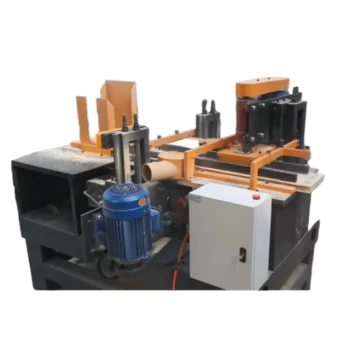
- HONESTBEE Bee Frame Side Bar Forming Machine Precision Engineered for High-Volume Production Bee Frame Machine
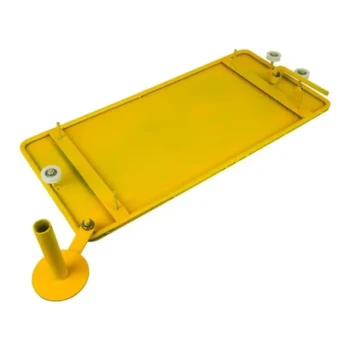
- HONESTBEE Durable Frame Wiring Board with Integrated Tensioner
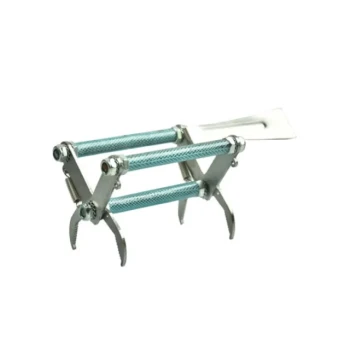
- Professional 3-Bar Frame Grip with Integrated Hive Tool
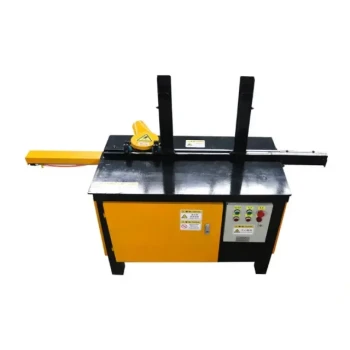
- HONESTBEE Top Bar & Bottom Bar Forming Machine | Bee Frame Machine
- Professional Bee Frame Machine for Side Bar Shaping
People Also Ask
- What are the qualities of the bee frame forming machine? Durable, Efficient, and Built to Last
- How does a bee frame making machine work? A Guide to Automated Metal Frame Production
- Why is professional beehive frame-making machinery required for large-scale apiary operations? Scale with Precision
- How do professional beehive and frame manufacturing machines contribute to commercial apiary management? Boost Efficiency
- What should be done to the sidebars if wiring the frames? A Guide to Drilling Holes for Maximum Frame Strength