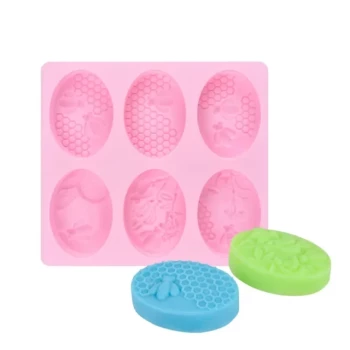
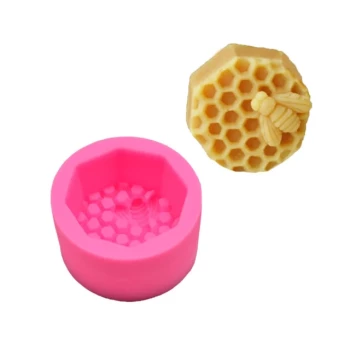
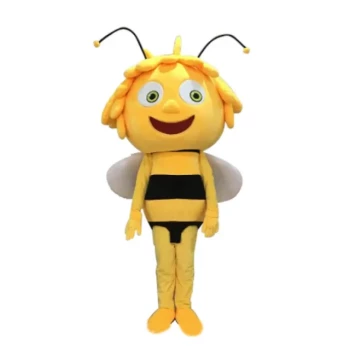
Strategic differentiation is the primary market function. Honey-themed cultural merchandise serves as a vital complementary product line that allows commercial apiaries to establish a unique brand identity distinct from competitors. Beyond simple revenue generation, these products function as educational tools that deepen consumer awareness regarding biodiversity conservation and the premium nature of organic bee products.
By integrating environmental principles into peripheral goods, apiaries transform from simple commodity producers into value-driven brands. This strategy diversifies income streams while serving as a tangible communication tool for sustainable beekeeping practices.
Building a Differentiated Brand Identity
Moving Beyond Commodity Sales
In a crowded market, honey is often viewed by consumers as a standard commodity. Cultural merchandise breaks this perception by creating a specific brand identity.
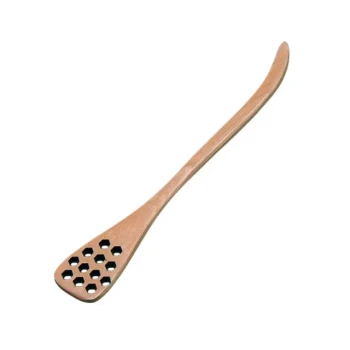
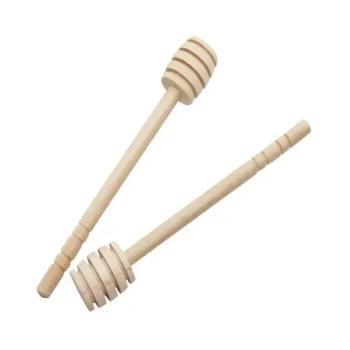
By offering items like branded honey dippers or thematic apparel, you provide a physical anchor for your brand that lasts longer than a jar of honey. This turns a consumable transaction into a lasting brand relationship.
Communicating Professional Expertise
Merchandise acts as a functional carrier for your apiary's reputation. High-quality, customized goods signal that the producer is established and professional.
This imagery helps effectively communicate brand value to consumers. It positions the apiary not just as a seller, but as an expert in the field of apiculture.
The Economic and Educational Impact
Diversifying Revenue Streams
Reliance on a single crop or harvest season can be financially risky. Honey-themed merchandise provides a complementary product line that generates additional revenue independent of harvest yields.
This expansion of the product range creates stability. It allows for consistent sales even during off-seasons for raw honey production.
Promoting Biodiversity Awareness
The strategic value of this merchandise extends to consumer education. Effective cultural products integrate environmental and sustainable beekeeping principles into their design and marketing.
When a consumer buys a product linked to the culture of beekeeping, they are engaging with the story of biodiversity. This heightens their appreciation for the ecological importance of bees and justifies the premium value of organic bee products.
Understanding the Trade-offs
Balancing Focus and Quality
While merchandise offers strategic benefits, it must not distract from the core operation. The primary value proposition of an apiary remains the quality of its honey.
If the merchandise is low-quality, it can dilute the perception of your professional expertise. The peripheral products must match the standard of your primary agricultural output.
The Cost of Complexity
Expanding into cultural goods increases operational complexity. Managing inventory for non-agricultural products requires different logistics than managing hives.
You must ensure that the revenue generated by these marketing touchpoints justifies the resource investment required to design, stock, and sell them.
Making the Right Choice for Your Goal
To deploy honey-themed merchandise effectively, align your selection with your current business objective:
- If your primary focus is Brand Awareness: Prioritize functional items like branded dippers that serve as constant visual reminders of your expertise in the consumer's home.
- If your primary focus is Consumer Education: Develop merchandise that explicitly highlights biodiversity and environmental narratives to justify the premium nature of your organic products.
Your merchandise is not just a souvenir; it is a strategic asset that bridges the gap between agricultural production and consumer loyalty.
Summary Table:
| Strategic Function | Key Benefit | Business Impact |
|---|---|---|
| Brand Differentiation | Moves beyond commodity sales | Establishes a unique, professional brand identity |
| Revenue Diversification | Independent income stream | Provides financial stability during off-harvest seasons |
| Consumer Education | Promotes biodiversity awareness | Justifies premium pricing for organic bee products |
| Marketing Touchpoints | Physical brand reminders | Increases customer retention and long-term loyalty |
Elevate Your Beekeeping Business with HONESTBEE
Are you looking to differentiate your brand in a competitive market? At HONESTBEE, we specialize in supporting commercial apiaries and distributors by providing more than just equipment. From high-precision honey-filling machines to a diverse range of honey-themed cultural merchandise, we offer the full spectrum of tools you need to build a value-driven brand.
Our comprehensive wholesale solutions are designed to enhance your operational efficiency and market presence. Whether you need specialized hardware or unique peripheral goods to educate your customers on biodiversity, we have the expertise to help you succeed.
Ready to scale your apiary operations? Contact us today to explore our wholesale catalog!
References
- Telly Yarita Macías Zambrano, Dilka Leyva-Rodríguez. Permaculture: Preservation and bee productivity. DOI: 10.53730/ijls.v8n2.15075
This article is also based on technical information from HonestBee Knowledge Base .
Related Products
- Modern Honeycomb Pattern Wooden Honey Dipper for Stirring and Drizzling
- Heart-Shaped Comb Honey Frame and Honeycomb Cassette
- Natural Wood Honey Dipper for Tea Coffee and Desserts
- Classic Beehive Honey Bottle Jar with Squeeze Dispenser Lid
- Honey Tank Heater Drum Heating Blanket for Honey Barrel
People Also Ask
- What is the proper method for cleaning a honey dipper? Maintain Pure Flavor with These Easy Pro Tips
- What is a honey dipper and what is it used for? A Guide to Mess-Free Drizzling
- What is a honey dipper? Master the Art of the Perfect Drizzle with This Essential Tool
- What is a honey taking spoon called? Discover the Tool for a Perfect, Mess-Free Drizzle
- How do you clean and store a honey dipper? Simple Steps for Long-Lasting Performance