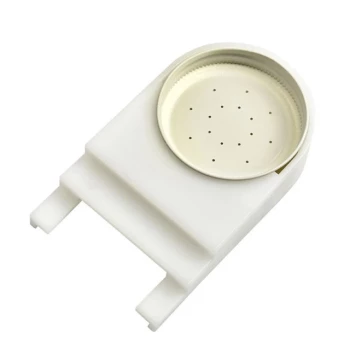
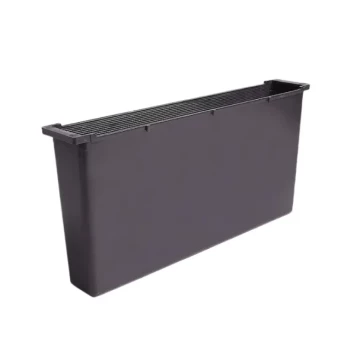
High-concentration sugar solutions and solid toffee (fondant) serve as critical carbohydrate supplements designed to bridge the gap between natural nectar availability and colony metabolic needs. Beekeepers deploy these dense energy sources primarily to prevent starvation during winter or early spring and to artificially jumpstart brood rearing, ensuring the colony reaches peak population size exactly when major nectar flows begin.
Core Takeaway Supplemental feeding is a control mechanism that allows beekeepers to decouple colony health from immediate environmental conditions. By providing essential carbohydrates during resource gaps, you prevent colony collapse and synchronize peak bee population with major floral blooms for maximum productivity.
The Strategic Objectives of Feeding
Ensuring Survival During Resource Scarcity
The most immediate purpose of feeding high-concentration sugar or toffee is preventing starvation. This is critical when natural nectar is unavailable, such as during winter or early spring.
Managing Environmental Stress
Bees are vulnerable during periods of extreme heat or continuous rain when foraging is impossible. High-purity sugar solutions provide the metabolic energy required to maintain colony biomass and vitality during these interruptions.
Preventing Colony Decline
Without sufficient carbohydrate stores, a colony may cease brood rearing or even migrate (abscond) to find better resources. Supplemental feeding maintains stability, preventing the population crashes associated with food shortages.
Stimulation and Growth Management
Jumpstarting Brood Rearing
Beyond mere survival, feeding serves a proactive growth strategy. Introducing sugar syrup or fondant stimulates the queen to begin laying eggs and encourages worker bees to rear brood.
Aligning Population with Nectar Flows
The goal of stimulation is timing. By feeding in early spring, you ensure the colony develops sufficient foraging strength before major floral blooms, such as clover, actually begin.
Preparing for Pollination Services
For commercial operations, this strategy increases bee numbers specifically to meet the demands of pollination contracts. It allows the colony to be "field-ready" earlier than nature would typically allow.
Understanding the Trade-offs
Necessity vs. Management
While supplemental feeding prevents starvation and boosts production, it is not always biologically mandatory if the hive has sufficient natural stores.
The Alternative of Natural Reserves
Dependency on artificial feed can be minimized by management decisions made earlier in the season. Leaving more natural honey in the hive or planting forage that blooms during typical dearth periods reduces the need for intervention.
Cost and Labor Implications
Proactive feeding requires significant planning, labor, and financial input. It changes beekeeping from a passive activity to an active management system that requires monitoring climatic stress and colony weight.
Making the Right Choice for Your Goal
Effective supplementary feeding depends entirely on what you are trying to achieve with your apiary.
- If your primary focus is Maximizing Honey Production: Feed early in the spring to stimulate brood rearing so the population peaks in time to harvest major nectar flows.
- If your primary focus is Colony Survival: Use solid toffee or high-concentration syrup during winter, droughts, or heavy rains to prevent starvation and maintain metabolic heat.
- If your primary focus is Natural Beekeeping: Minimize artificial inputs by leaving ample honey stores in the fall and planting diverse forage to cover seasonal nectar gaps.
Strategic feeding is less about replacing nature and more about managing risk and timing to ensure colony vitality.
Summary Table:
| Feeding Objective | Recommended Supplement | Primary Benefit |
|---|---|---|
| Winter Survival | Solid Toffee (Fondant) | Prevents starvation; provides stable energy without adding moisture. |
| Early Spring Growth | 2:1 Sugar Syrup | Stimulates the queen to lay eggs and jumpstarts brood rearing. |
| Resource Dearth | High-Concentration Syrup | Maintains colony biomass during droughts or heavy rain periods. |
| Pollination Readiness | Stimulative Syrup | Ensures peak foraging strength before commercial pollination contracts. |
Scale Your Apiary Operations with HONESTBEE
Strategic supplemental feeding is a hallmark of professional beekeeping management. At HONESTBEE, we empower commercial apiaries and global distributors by providing a comprehensive wholesale ecosystem.
Whether you need precision honey-filling machines to process your record harvests or specialized beekeeping machinery and tools to manage colony growth, our portfolio is designed for industrial-grade efficiency. From essential consumables to advanced hardware, we deliver the quality you need to synchronize your production with nature's peak flows.
Ready to elevate your beekeeping business?
Contact HONESTBEE Today to explore our wholesale solutions and discover how our expertise can drive your productivity.
References
- Stephen Palmer. Beekeeping in the Falkland Islands. DOI: 10.1080/00218839.2008.11101481
This article is also based on technical information from HonestBee Knowledge Base .
Related Products
- HONESTBEE Professional Hive Top Bee Feeder Feeding Solution
- HONESTBEE Round Hive Top Bee Feeder for Syrup
- HONESTBEE Entrance Bee Feeder Efficient Hive Front Liquid Feeding Solution for Beekeeping
- HONESTBEE Entrance Bee Feeder Professional Hive Nutrition Solution for Beekeeping
- Classic Boardman Entrance Bee Feeder Hive Front Feeding Solution
People Also Ask
- How does a bee hive top feeder work? A Guide to Efficient, Protected Feeding
- What is a hive top feeder? A Guide to Efficient, Low-Stress Beekeeping
- Do I need an inner cover with a hive top feeder? Optimize Your Hive Setup for Healthy Bees
- What is a hive top feeder, and how does it work? A Complete Guide to Efficient In-Hive Feeding
- What are the characteristics, advantages, and disadvantages of hive top feeders? Optimize Your High-Volume Feeding