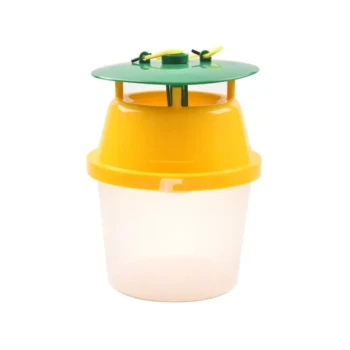
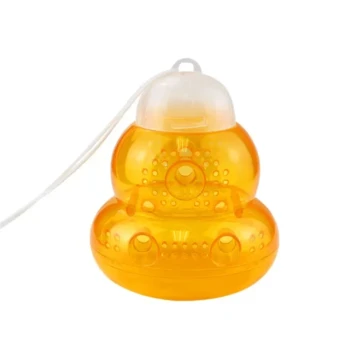
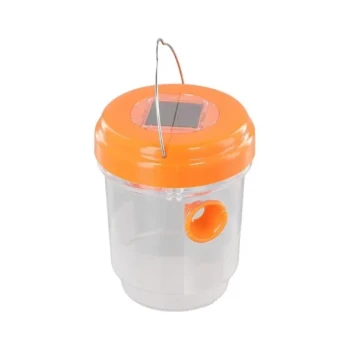
The strategic placement of hornet traps is driven by the principle of ambush concentration. By positioning traps near hive entrances, apiarists target the specific zone where bee activity is densest and hornet predation is most aggressive. This ensures the physical defense mechanism is located exactly where the threat is highest, maximizing the interception of predators before they can decimate the colony.
The hive entrance represents the focal point of predator attacks; placing traps here transforms the area from a vulnerability into a highly effective interception zone.
Analyzing the Tactical Advantage
Capitalizing on Prey Density
The entrance of a hive is the single busiest location in an apiary. It serves as a bottleneck where foragers depart and return.
Because Asian hornets are attracted to this high concentration of prey, placing traps here aligns the defensive measure with the natural focal point of the colony's activity.
Countering Ambush Behavior
Predators follow a logic of efficiency. Asian hornets specifically target hive entrances because that is where their hunting success rate is highest due to the density of bees.
By recognizing this ambush pressure, you can use the hornet's own hunting instinct against it. The trap becomes an extension of the hive's perimeter, intercepting the predator as it attempts to set up an ambush.
The Mechanics of Defense
Targeted Interception
General area trapping relies on the hornet finding a lure by chance or scent over a distance. Entrance trapping is far more direct.
Since the hornets are already biologically driven to approach the hive entrance to hunt, a trap placed in this immediate vicinity achieves "targeted physical defense." You are catching the predator at its destination.
Reducing Predation Pressure
The ultimate goal of this placement is to alleviate the stress on the colony. High predation pressure can cause a colony to collapse or stop foraging.
By physically removing the attackers at the point of attack, you directly reduce the number of active predators harassing the colony, allowing the bees to maintain their defensive and foraging operations.
Understanding the Strategy's Focus
Specificity vs. Generalization
It is important to understand that this strategy is highly specific to predation defense.
While other types of traps (such as swarm traps) are used to monitor migration or capture bees across wide geographic borders, hornet traps at the entrance serve a purely protective, localized function. They are not designed for data collection on migration paths, but for immediate threat reduction.
The Limitation of Location
The effectiveness of this strategy relies entirely on the presence of the hive.
A trap placed near an entrance is effective because of the bees, not just the trap itself. If the hive is weak or the entrance activity is low, the draw for the hornet decreases, potentially reducing the trap's efficacy compared to a thriving colony.
Making the Right Choice for Your Apiary
To effectively manage threats to your honey bee colonies, align your trap placement with your specific defensive goals.
- If your primary focus is Maximum Predator Interception: Place traps directly adjacent to hive entrances to exploit the hornets' natural ambush instincts.
- If your primary focus is Reducing Colony Stress: Utilize entrance traps to create a physical barrier that lowers immediate predation pressure on returning foragers.
Strategic defense is about meeting the predator where they hunt, turning the hive's busiest point into the hornet's final destination.
Summary Table:
| Strategic Factor | Tactical Advantage | Impact on Colony |
|---|---|---|
| Prey Density | Targets areas where forager activity is highest | Maximizes predator interception rates |
| Ambush Counter | Turns the hornet's hunting instinct into a trap | Disrupts the predator's ambush success |
| Direct Interception | Catches hornets at their specific destination | Reduces immediate physical threat to bees |
| Pressure Relief | Minimizes harassment of returning foragers | Prevents colony collapse and maintains foraging |
Secure Your Apiary with HONESTBEE’s Professional Defense Solutions
Protecting your investment requires more than just luck—it demands industrial-grade precision. HONESTBEE specializes in supporting commercial apiaries and distributors with a comprehensive wholesale range of beekeeping tools, machinery, and essential consumables.
From advanced hive-making and honey-filling machines to durable protective equipment, we provide the hardware you need to scale your operations safely. Our expert-grade supplies ensure that your colonies remain productive and protected against external threats like the Asian hornet.
Ready to fortify your business and enhance your production efficiency?
Contact HONESTBEE Today to Discuss Bulk Orders and Wholesale Pricing
References
- Fernando Mata, Concha Cano‐Díaz. Evaluation of Asian Hornet (Vespa velutina) Trappability in Alto-Minho, Portugal: Commercial vs. Artisanal Equipment, Human Factors, Geography, Climatology, and Vegetation. DOI: 10.3390/app14177571
This article is also based on technical information from HonestBee Knowledge Base .
Related Products
- Compact Multi-Funnel Hanging Wasp Trap
- Reusable Aluminium Beetle Trap for Small Hive Beetles Silver Bullet
- Removable Washable Hive Beetle Trap Attractants for Small Hive Beetles
- HONESTBEE Professional Telescopic Pole Bee Swarm Catcher
- HONESTBEE Collapsible Tiered Bee Swarm Catcher for Beekeeping
People Also Ask
- What are the practical advantages of using professional wasp traps and protective equipment in apiary management? Scale Up
- Why replace sugar syrup bait in wasp traps every three days? Ensure Maximum Attraction and Catch Rates
- What is the importance of deploying hornet traps around an apiary for maintaining colony stability? Protect Your Yields.
- What are the advantages of placing hornet traps on the tops of beehives? Maximize Hive Defense Against Predators
- What trapping methods and equipment setups protect commercial apiaries against seasonal hornet predation?