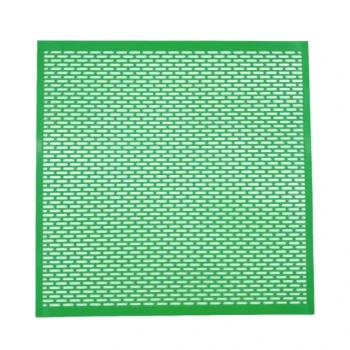
A queen excluder serves as a precision mechanical filter designed to manage the reproductive behavior of the colony. In the context of artificial swarming and colony division, its technical function is to isolate the original queen in a specific hive zone—typically above the brood box—preventing her from accessing and destroying newly developing queen cells.
Core Takeaway By physically segregating the queen, the excluder acts as a control valve for colony reproduction. It allows beekeepers to synchronize the emergence of new virgin queens with drone availability while simultaneously preventing the original queen from departing with a natural swarm.
The Mechanics of Isolation
Utilizing Size Differentials
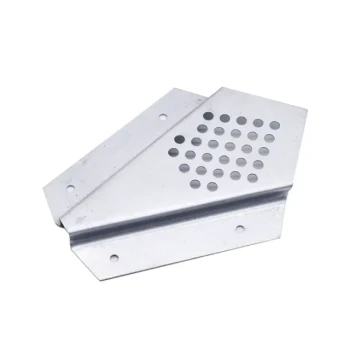
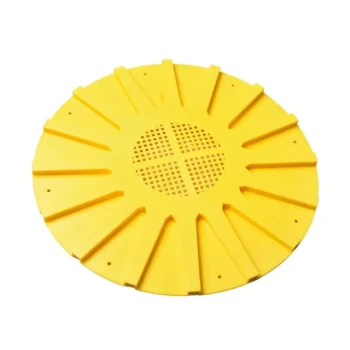
The fundamental operation of the queen excluder relies on precise gap dimensions. The device is engineered with openings large enough for worker bees to pass through freely but too narrow for the larger abdomen of a queen bee.
Vertical Segmentation
By installing this barrier, you effectively divide the hive interior into distinct vertical zones. This restricts the queen to a specific set of frames, ensuring her egg-laying activity is concentrated exactly where the beekeeper intends.
Managing Artificial Swarming
Protecting New Queen Cells
The primary risk during colony division is the biological imperative of the existing queen to eliminate competition. The excluder functions as a shield, ensuring the original queen cannot physically reach the new queen cells being reared in the segregated section.
Preventing Swarm Departure
In a natural setting, the old queen would leave with a swarm once new queens are developing. The excluder mechanically prevents this exodus. By trapping the queen in a specific area, you retain the original genetic material within the managed hive even as the colony prepares to divide.
Strategic Synchronization
Timing Virgin Queens and Drones
Successful artificial swarming requires strict timing. The excluder allows you to synchronize the development of new virgin queens so that their emergence aligns perfectly with the rearing of drones.
Creating Standardized Samples
Beyond simple division, this isolation technique allows for the generation of "age-synchronized" larvae. Because the queen is restricted to specific frames for specific times, all larvae in a given section will be of the exact same age, providing a standardized biological baseline for the colony division.
Operational Constraints and Trade-offs
Spatial Restriction Risks
While the excluder prevents swarming, it imposes strict limits on the queen's movement. By confining the queen to a specific compartment, you limit her available laying space. If not monitored, this can lead to congestion in the brood chamber.
Maintenance of Natural Traits
Unlike invasive methods such as wing clipping—which is often prohibited in organic beekeeping—the queen excluder manages movement without physically altering the bee. However, this relies on the mechanical integrity of the device; a single damaged wire or gap renders the entire strategy ineffective.
Making the Right Choice for Your Goal
To effectively utilize a queen excluder for colony division, align your usage with your specific biological objectives:
- If your primary focus is Genetic Continuity: Isolate the queen immediately to protect developing queen cells from destruction, ensuring the survival of the new lineage.
- If your primary focus is Swarm Control: Use the excluder to physically confine the old queen, preventing her from leading a natural swarm away from the apiary.
The queen excluder transforms the hive from a single chaotic unit into a segmented, manageable system for controlled reproduction.
Summary Table:
| Function | Technical Mechanism | Impact on Colony Management |
|---|---|---|
| Isolation | Size-differential gaps (workers pass, queen blocked) | Restricts egg-laying to specific vertical hive zones. |
| Protection | Physical barrier between queen and new cells | Prevents the original queen from destroying virgin cells. |
| Swarm Control | Mechanical confinement of the original queen | Prevents the queen from leading a natural swarm exodus. |
| Synchronization | Age-synchronized larvae generation | Ensures virgin queen emergence aligns with drone availability. |
Scale Your Apiary Operations with HONESTBEE
To achieve precise colony division and maximize honey production, professional beekeepers need reliable equipment. HONESTBEE provides commercial apiaries and distributors with high-precision queen excluders, hive-making machinery, and honey-filling systems designed for industrial efficiency.
From essential consumables to heavy-duty hardware, we empower your business with the tools needed for sustainable growth. Ready to upgrade your wholesale supply chain?
Contact HONESTBEE Today to Discuss Your Bulk Requirements
References
- T. Blacquière, Delphine Panziera. Darwinian black box selection for resistance to settled invasive Varroa destructor parasites in honey bees. DOI: 10.1007/s10530-019-02001-0
This article is also based on technical information from HonestBee Knowledge Base .
Related Products
- High Performance Plastic Queen Excluder for Beekeeping and Apiary Management
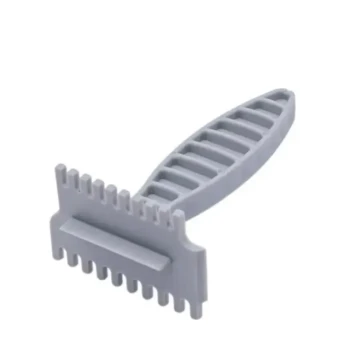
- Lightweight Durable Plastic Queen Excluder Scraper for Beekeeping
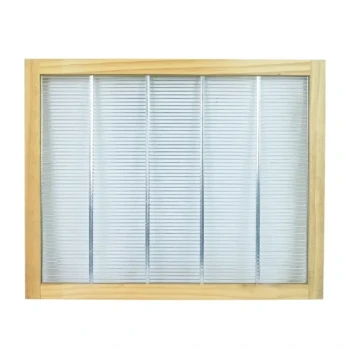
- Premium Wood Framed Metal Wire Queen Bee Excluder
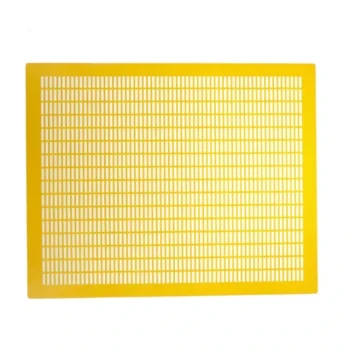
- Professional Plastic Queen Excluder for Modern Beekeeping
- Metal Queen Bee Excluder for Beekeeping
People Also Ask
- What are the characteristics of a plastic queen excluder? Key Benefits for Cost-Effective Beekeeping
- What are the operational and cost advantages of using plastic queen excluders over metal or wire excluders in commercial hive management? Discover how they reduce labor, prevent wing damage, and lower total costs.
- What types of queen excluders are available for beekeepers? Choose the Right Tool for Your Hive
- Why are standardized hive frames and queen excluders essential for maintaining honey purity and quality? Scale Your Purity
- Do plastic queen excluders work? A Cost-Effective Solution for Modern Apiaries