Technically proper honey processing relies on a delicate balance between purification and preservation. Industrial filtration and low-temperature concentration are technically necessary to physically remove contaminants (wax, debris) and biologically stabilize the product by reducing moisture, all without thermally degrading the honey’s active enzymes or volatile aromatics.
Core Insight: The primary technical objective of these systems is stabilization without degradation. They transform raw, vulnerable apiary yields into shelf-stable commercial products by preventing fermentation and spoilage, while strictly adhering to the "low-temperature" mandate required to maintain the status of natural, high-quality honey.
Achieving Purity Through Mechanical Filtration
Raw honey extracted via centrifugal force contains inevitable contaminants. Filtration is the necessary physical intervention to standardize the liquid for commercial sale.
Removal of Insoluble Impurities
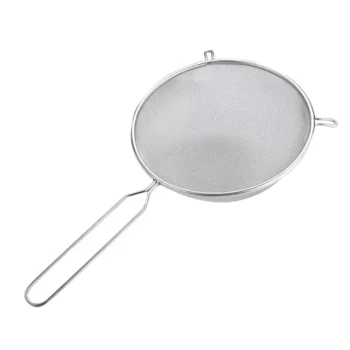
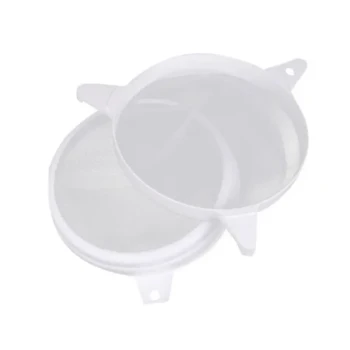
Honey straight from the comb contains wax particles, bee parts, and other organic debris. Multi-stage physical interception is used to progressively strain these solids out. This ensures the honey is physically pure and visually clear, a baseline requirement for consumer acceptance.
Ensuring Sensory Consistency
Consumers and retailers demand a product that looks and tastes consistent from batch to batch. Filtration removes the cloudiness associated with crude honey. This mechanical clarification is often the differentiating factor that allows a product to command a higher price premium in retail markets.
Preparation for Packaging
Unfiltered debris can clog automated filling lines and create inconsistent fill volumes. By standardizing the liquid's fluidity, filtration systems ensure that high-precision filling equipment can operate without mechanical blockage or cross-contamination.
Biological Stability Via Low-Temperature Concentration
While filtration handles solids, concentration handles water. This is the critical step for chemical stability and shelf life.
Prevention of Fermentation
Raw honey often contains excess moisture, which creates an environment where natural yeasts can thrive. If moisture is not reduced, fermentation and spoilage are inevitable. Concentration equipment removes this excess water to safe levels (usually below 18-20%), effectively neutralizing the risk of yeast activity.
Preservation of Active Components
The "low-temperature" aspect of this equipment is technically vital. High heat destroys the delicate enzymes (like diastase) and antioxidants that give honey its nutritional value. Low-temperature concentration (often under vacuum) evaporates water without subjecting the honey to thermal stress, preserving its "natural" classification.
Crystallization Control
Controlled thermal treatment within these systems helps manage the glucose structures in the honey. By removing microscopic nucleation sites (like minute wax particles) and managing temperature, producers can delay crystallization, ensuring the product remains liquid and pourable on the shelf.
Understanding the Trade-offs
While necessary for commercial scale, these processes carry technical risks that must be managed to avoid reducing the product's value.
The Risk of Ultra-Filtration
There is a difference between removing debris and removing pollen. Excessive filtration (ultra-filtration) removes microscopic pollen grains. Because pollen is often used to verify the honey's floral source and origin, over-filtration can lead to the product being labeled as "adulterated" or syrup rather than honey.
Thermal Accumulation
Even "low-temperature" equipment can damage honey if exposure times are too long. Prolonged processing raises HMF (Hydroxymethylfurfural) levels, a chemical marker used by regulators to detect heat damage. Operators must balance moisture removal speed with strict temperature ceilings to meet international quality standards.
Making the Right Choice for Your Goal
The specific configuration of your filtration and concentration line depends on your target market.
- If your primary focus is the Raw/Natural Market: Prioritize coarse filtration to retain pollen and strictly limit concentration temperatures to preserve maximum enzymatic activity.
- If your primary focus is Mass Market Retail: Implement multi-stage fine filtration for maximum clarity and precise moisture control to guarantee an extended, fermentation-free shelf life.
- If your primary focus is Export/Global Trade: Ensure your system includes HACCP-compliant sterilization nodes and avoids ultra-filtration to meet strict international origin verification standards.
The correct integration of these systems allows you to scale production volume without sacrificing the biological integrity that defines high-quality honey.
Summary Table:
| Process Component | Primary Technical Function | Key Benefit |
|---|---|---|
| Multi-stage Filtration | Removes wax, debris, and organic impurities | Enhances visual clarity and prevents equipment clogging |
| Low-Temp Concentration | Evaporates excess moisture under vacuum | Prevents fermentation while preserving diastase and aromatics |
| Crystallization Control | Manages glucose nucleation sites | Extends liquid shelf life and ensures pourability |
| Thermal Monitoring | Limits HMF (Hydroxymethylfurfural) levels | Meets international quality standards and avoids heat damage |
Elevate Your Honey Production with HONESTBEE
Are you looking to scale your apiary operations or upgrade your distribution facility? HONESTBEE specializes in supporting commercial apiaries and distributors with professional-grade honey processing solutions. From high-precision honey-filling machines to advanced low-temperature concentration systems, we provide the full spectrum of beekeeping tools and machinery designed to preserve the integrity of your harvest.
Why partner with HONESTBEE?
- Comprehensive Wholesale Offering: Access a complete range of hardware and essential industry consumables.
- Technical Expertise: Our equipment ensures your honey meets international standards for purity and enzyme preservation.
- Scalable Solutions: We cater to everything from specialized hive-making to mass-market retail packaging.
Ready to optimize your processing line? Contact us today to discover how our specialized equipment can increase your efficiency and product value.
References
- Nanang Febrianto, Budi Hartono. Factors affecting consumers’ loyalty and purchase decisions on honey products: An emerging market perspective. DOI: 10.1515/opag-2022-0235
This article is also based on technical information from HonestBee Knowledge Base .
Related Products
- Electric Double Wall Honey Filtering Machine Purifier Equipment for Honey Processing Plant
- Professional Stainless Steel Honey Filtering Machine with Water Bath Heating for Beekeeping
- Professional Stainless Steel Honey Filter with Support Handle
- Honey Concentrating and Filtering Dehumidifier Machine 2T Capacity for Honey
- 0.5T Capacity Honey Dehumidifier Dryer with Vacuum Heating and Thickening Filtering Machine
People Also Ask
- What is the process of filtering honey? A Guide to Clean, Pure, and Market-Ready Honey
- What types of equipment are used in honey filtering? Build an Efficient System for Pure, Marketable Honey
- What is the overall importance of using the right equipment in honey filtering? Boost Quality & Marketability
- What are the benefits of drying honey filtering equipment after use? Protect Your Honey Quality & Equipment Investment
- Why is filtering important in honey processing, and what equipment is used? A Guide to Quality & Efficiency