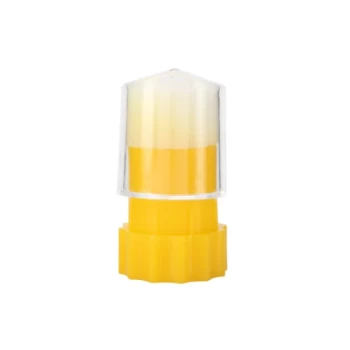
Specialized Queen Marking Paint is a formulated compound designed to apply a persistent, high-visibility indicator to the thorax of a queen bee. Its immediate technical function is to facilitate rapid visual identification during routine apiary inspections, allowing the beekeeper to locate the single reproductive female among thousands of workers without disrupting the colony structure.
Core Takeaway Marking the queen is not merely for visual convenience; it is a critical diagnostic control point. By uniquely identifying the queen, apiarists can confirm colony continuity or detect unplanned queen replacement (supersedure), which serves as a vital indicator for monitoring brood cycle interruptions and subsequent parasite population dynamics.
The Technical Role in Colony Monitoring
Rapid Visual Identification
The most direct application of specialized paint is to increase the visual contrast of the queen against the colony.
By applying color to the thorax, beekeepers can locate the queen instantly during hive maintenance. This reduces the time the hive is open and minimizes the stress placed on the colony during inspections.
Detecting Natural Swarming and Supersedure
The presence—or absence—of a specific paint mark provides immediate data regarding the colony's history.
If a marked queen is no longer present and has been replaced by an unmarked queen, the apiarist knows a supersedure event has occurred. This indicates the colony has naturally replaced an old or lost queen, or that the previous queen has left with a swarm.
Biological and Parasitic Implications
Tracking Brood Cycle Continuity
The technical value of marking extends to understanding the reproductive rhythm of the hive.
When a queen is replaced, there is an inevitable pause in egg-laying while the new queen matures and mates. Identifying this event via the paint mark confirms a specific break in the brood cycle.
Monitoring Parasite Dynamics
Understanding brood cycle breaks is essential for managing colony health, specifically regarding parasites like Varroa mites.
Varroa mite reproduction is intrinsically linked to the bee's brood cycle. By using the paint to track queen tenure and replacement events, an apiarist can accurately model parasite population shifts and adjust treatment strategies accordingly.
Operational Considerations and Limitations
The Necessity of Data Correlation
While the paint provides a physical indicator, it functions best when paired with a robust recording system.
As noted in broader apiary management principles, physical interventions must be documented to be useful. A visual mark confirms the identity of the queen, but without logging the date of the marking or the specific color code used, the data regarding colony continuity is lost.
Precision Application
The application of the paint requires technical precision to ensure safety.
The mark must be applied strictly to the thorax. Improper application can interfere with the queen's sensory organs or mobility, potentially triggering the colony to reject (ball) and kill her, counteracting the purpose of the intervention.
Making the Right Choice for Your Management Strategy
To leverage Queen Marking Paint effectively, align its use with your specific biological goals:
- If your primary focus is Pest Management (Varroa): Use the marking to strictly track queen replacement dates, as the resulting break in the brood cycle is a critical variable in modeling mite population growth.
- If your primary focus is Colony Genetics: Use the marking to instantly verify that the high-quality queen you introduced has not been superseded by a daughter queen of unknown genetic stock.
Systematic queen marking transforms a biological variable into a visible data point, enabling precise control over colony health.
Summary Table:
| Technical Function | Operational Benefit | Strategic Value |
|---|---|---|
| Visual Contrast | Rapid identification among thousands of workers | Reduces hive stress and inspection time |
| Identification Tracking | Detects supersedure or swarming events | Confirms genetic continuity and colony history |
| Brood Cycle Modeling | Pinpoints pauses in egg-laying | Enables precise parasite (Varroa) population modeling |
| Precision Application | Safe marking on the queen's thorax | Prevents colony rejection while ensuring visibility |
Scale Your Apiary Efficiency with HONESTBEE
At HONESTBEE, we understand that precision tools are the backbone of professional beekeeping. Whether you are a commercial apiary managing thousands of colonies or a distributor seeking high-quality supplies, we provide the full spectrum of equipment to optimize your operations. From specialized queen marking supplies and beekeeping tools to industrial-grade honey-filling machines and hive-making hardware, our comprehensive wholesale offering is designed to enhance your productivity and honey yields.
Ready to upgrade your equipment? Partner with a supplier that values technical precision as much as you do. Contact us today to explore our wholesale catalog and tailored solutions.
References
- Thomas D. Seeley, Michael L. Smith. Crowding honeybee colonies in apiaries can increase their vulnerability to the deadly ectoparasite Varroa destructor. DOI: 10.1007/s13592-015-0361-2
This article is also based on technical information from HonestBee Knowledge Base .
Related Products
- Queen Bee Marking Pen POSCA Queen Marking Pens for Beekeeping Bee Markers
- Queen Bee Catcher Plastic Bee Marker Bottle with Piston Marking Tube
- Queen Bee Marking Pen UNI Medium Point for Queen and Bee Marking
- One Hand Yellow Queen Marking Catcher Tube Cage Beekeeper Tool Accessory for Queen Bee
- Queen Bee Marking Tube Cage Bottle Catcher Holder with Clear Plastic Plunger Marker
People Also Ask
- What role do specialized marking pens and color-coding systems play in honeybee tracking? Enhance Research Precision
- Why are specialized marking pens used for stingless bee queens? Essential Tools for Large-Scale Breeding Success
- How should a new paint pen be primed before marking a queen bee? Essential Tips for Safe & Clear Markings
- How should a queen bee marking pen tip be properly primed? Master the Art of Safe Queen Marking
- What specifications are required for a high-quality queen bee marking pen? Ensure Safety and Precision for Your Colony