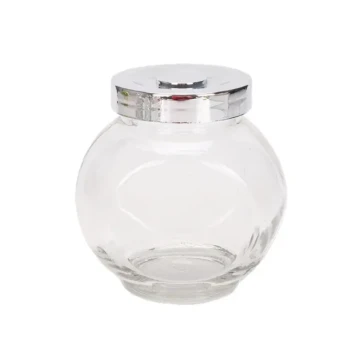
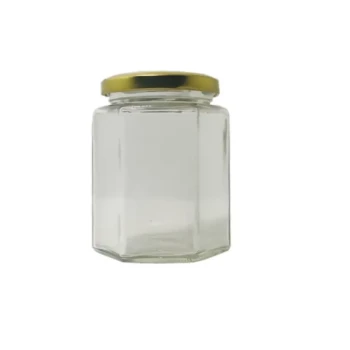
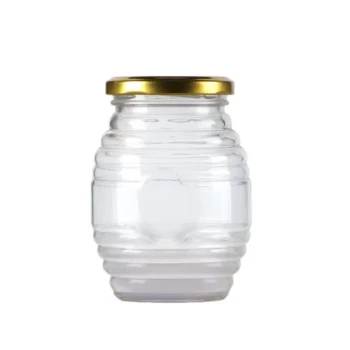
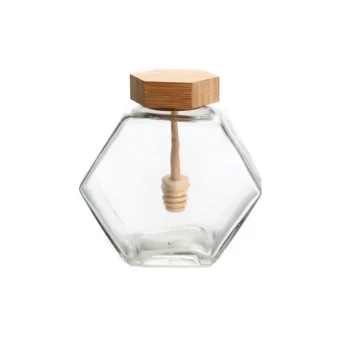
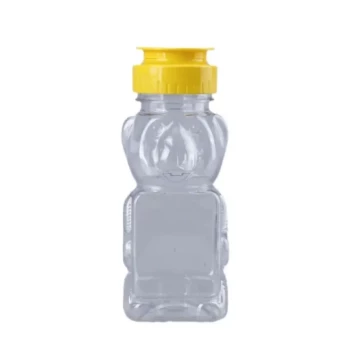
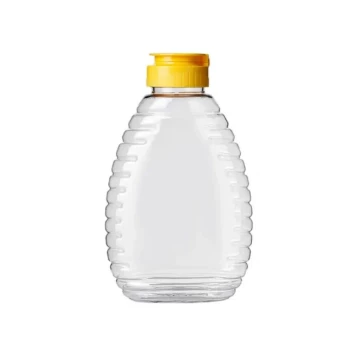
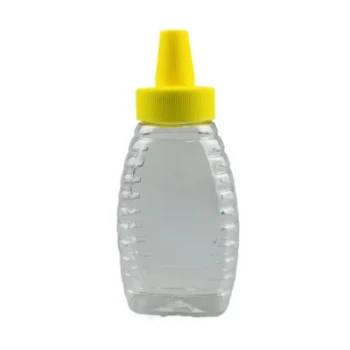
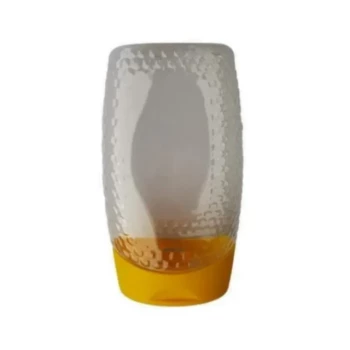
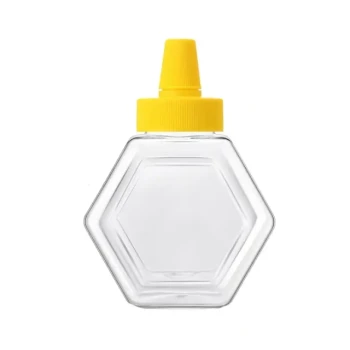
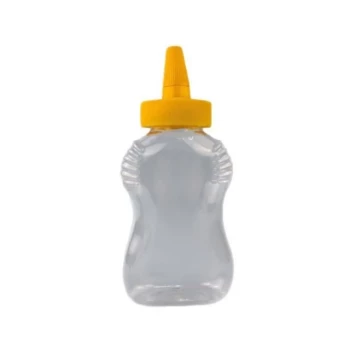
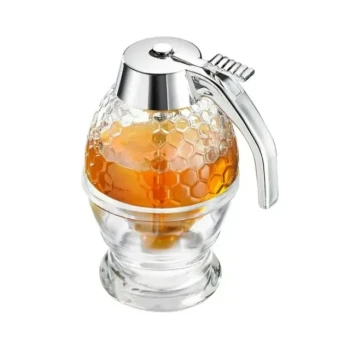
The technical significance of using food-grade sealed storage containers lies in their ability to act as a barrier system against environmental instability. Because honey is hygroscopic and weakly acidic, these containers are critical for blocking moisture ingress, preventing secondary fermentation, and inhibiting chemical migration from the packaging itself. This ensures the product retains its original physico-chemical properties for accurate analysis and long-term shelf stability.
The use of these containers is not merely about holding the product; it is a vital quality control measure. By isolating honey from atmospheric humidity and contaminants, you establish a stable environment that preserves flavor, prevents spoilage, and enables precise traceability from the hive to the consumer.
Controlling Chemical and Biological Stability
Preventing Secondary Fermentation
Honey is highly hygroscopic, meaning it actively absorbs moisture from the surrounding atmosphere. If the water content rises above critical levels, it triggers dormant yeasts, leading to secondary fermentation and spoilage.
High-performance sealed containers utilize gaskets and airtight lids to isolate the honey. This physical barrier locks out humidity, maintaining the concentration levels necessary to prevent biological degradation.
Mitigating Chemical Migration
Honey possesses a weak acidity which interacts with storage materials over time. Non-food-grade containers risk degrading, allowing harmful substances to migrate from the packaging into the product.
Food-grade materials are chemically inert regarding honey's acidic profile. Using certified food-grade plastic or glass ensures the purity of the honey remains uncompromised by the vessel holding it.
Preserving Sensory Characteristics
Locking in Volatile Aromas
Honey’s market value is often driven by its unique, floral-specific aroma. These aromatic compounds are volatile and can dissipate if exposed to open air.
Sealed storage creates a closed loop that traps these natural fragrances. Simultaneously, it prevents the absorption of foreign odors from the warehouse or transport environment, which can taint the flavor profile.
Regulating Physical Consistency
Exposure to air and moisture fluctuations can accelerate unpredictable crystallization or texture spoilage. By stabilizing the internal atmosphere of the container, you maintain the honey's desired viscosity and texture.
This stability is essential for extending shelf life, often allowing honey to remain in optimal condition for periods exceeding one year.
Integration with Logistics and Quality Control
Ensuring Accurate Physico-Chemical Analysis
To perform valid quality control, the sample tested must match the sample at the time of extraction. Porous or unsealed containers alter the chemical composition of the honey over time.
Sealed containers preserve the original composition of the honey. This reliability is the foundation of a rigorous quality control system, ensuring that lab results accurately reflect the product's true quality.
Enhancing Supply Chain Efficiency
Standardized, food-grade containers provide uniform physical protection. This uniformity allows for the use of specialized stacking equipment, significantly improving logistical efficiency.
Furthermore, robust containers reduce breakage rates during long-distance transport. This physical durability prevents leakage and product loss, meeting the rigorous entry requirements of high-end markets.
Understanding the Trade-offs
Material Permeability
While food-grade plastic is excellent for sealing and durability, it acts differently than glass or traditional pottery. Porous materials (like pottery) allow breathing but lead to oxidation and moisture gain; plastic stops this but must be high-quality to prevent chemical leaching.
The Cost of High-Performance Sealing
Standard lids are often insufficient for long-term storage. Effective preservation requires specialized sealing consumables, such as lids with integrated gaskets.
While these increase upfront packaging costs, they are necessary investments to prevent the financial loss associated with fermented or tainted batches.
Making the Right Choice for Your Goal
To select the appropriate storage solution, align the container specifications with your operational priorities:
- If your primary focus is Long-Term Storage: Prioritize containers with high-performance gaskets and low moisture vapor transmission rates to prevent fermentation over extended periods.
- If your primary focus is Laboratory Analysis: Ensure containers are made of high-purity, inert food-grade materials to prevent any chemical migration that could skew analytical data.
- If your primary focus is Logistics and Distribution: Select standardized, durable plastic containers designed for stackability to minimize breakage and optimize transport efficiency.
By treating packaging as a technical component of the product, you safeguard the biological and chemical integrity of the honey.
Summary Table:
| Technical Feature | Primary Function | Impact on Honey Quality |
|---|---|---|
| Airtight Sealing | Blocks moisture ingress | Prevents secondary fermentation and spoilage |
| Food-Grade Inertness | Inhibits chemical migration | Maintains chemical purity and prevents acidic degradation |
| Volatile Retention | Traps natural aromatic compounds | Preserves original floral scent and flavor profile |
| Atmospheric Stability | Regulates internal environment | Maintains consistent viscosity and slows crystallization |
| Structural Durability | Protects during logistics | Reduces product loss and leakage during transport |
Elevate Your Honey Production with HONESTBEE
Preserving the integrity of your harvest requires more than just a vessel; it requires professional-grade equipment designed for the honey industry. HONESTBEE provides commercial apiaries and distributors with high-performance storage solutions, honey-filling machines, and a comprehensive range of beekeeping tools to ensure your product meets global standards.
Our value to your business:
- Industry Expertise: Specialized hardware from hive-making to advanced extraction machinery.
- Scalable Solutions: Wholesale supply of essential consumables and honey-themed cultural merchandise.
- Quality Assurance: Durable, food-grade equipment designed to minimize waste and maximize shelf life.
Ready to optimize your honey storage and distribution? Contact us today to explore our wholesale catalog!
References
- Miras Nurbayevich Suraganov. INFLUENCE OF HONEY BEE BREEDS ON HONEY QUALITY INDICATORS IN AKMOLA REGION. DOI: 10.52578/2305-9397-2025-2-3-168-175
This article is also based on technical information from HonestBee Knowledge Base .
Related Products
- Food Grade Plastic Honey Bucket Pail for Beekeeping
- Classic Drum Shaped Glass Honey Jar with Airtight Lid
- Stainless Steel Honey Storage Tank with Lid for Honey
- Hexagonal Glass Honey Jars with Metal Lug Caps Elegant Versatile Packaging
- Classic Glass Honey Jar with Metal Lug Cap for Beehive Storage
People Also Ask
- What key operational precautions should be taken when using honey buckets and extractors fitted with bottom drain taps?
- What functions do food-grade honey buckets perform? Safeguard Your Harvest and Optimize Apiary Logistics
- Why are food-grade plastic buckets preferred for honey? Protect Quality with Modern Honey Collection Tools
- What is the significance of food-grade plastic honey collection buckets? Boost Quality in Forest Honey Logistics
- What is a honey pail? The Essential Container for Protecting Your Honey's Value