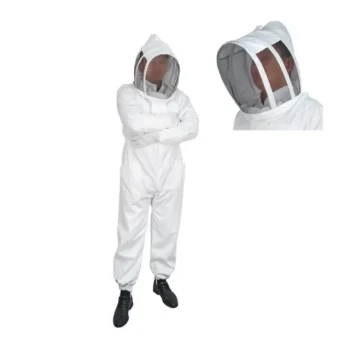
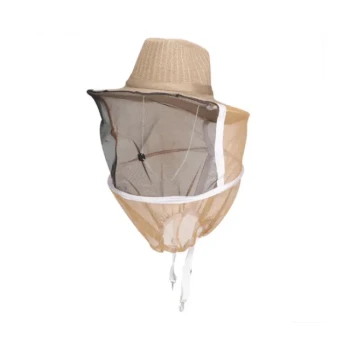
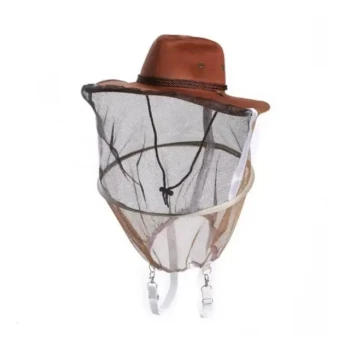
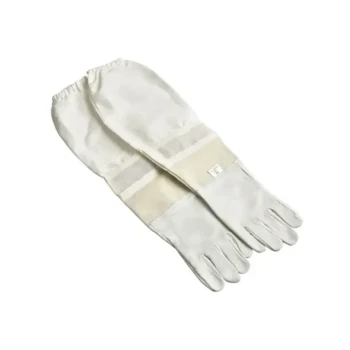
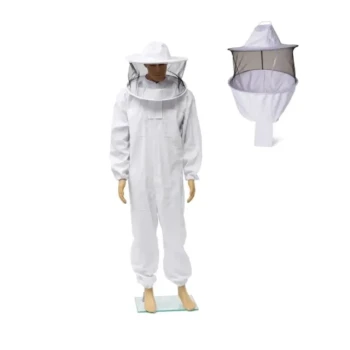
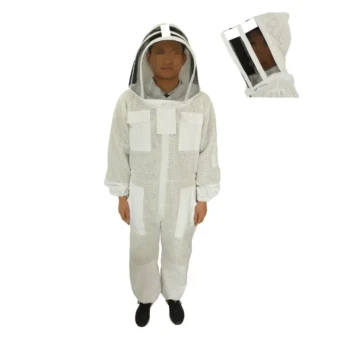
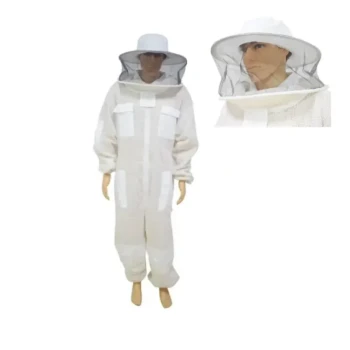
The typical protective clothing progression involves starting with maximum coverage and gradually reducing bulk. Most new beekeepers initially purchase a full bee suit, operating under the belief that total body coverage is necessary for safety. However, the primary reference indicates that within the first one to two years, as confidence and handling skills improve, these beekeepers frequently transition to using a lighter bee jacket.
While beginners often require the psychological and physical security of a full suit to learn hive mechanics safely, experienced keepers tend to trade that heavy armor for the convenience, agility, and cooling provided by a jacket.
The Initial Phase: Maximum Protection
The Reliance on Full Suits
For the novice, the full bee suit is the standard starting point. This choice is driven by the need to eliminate the fear of stings while learning the complex mechanics of hive inspection.
Mitigating Risk While Learning
New beekeepers must protect themselves from apitoxin (bee venom) while they determine their personal tolerance and allergy levels. A full suit provides a necessary barrier against potential hive attacks, allowing the learner to focus on technique rather than defensive guarding.
The Role of Ancillary Gear
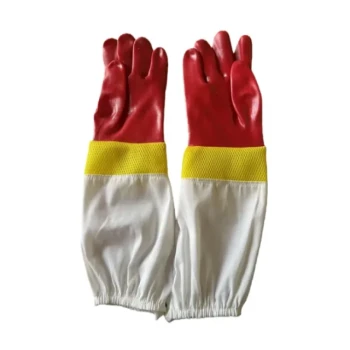
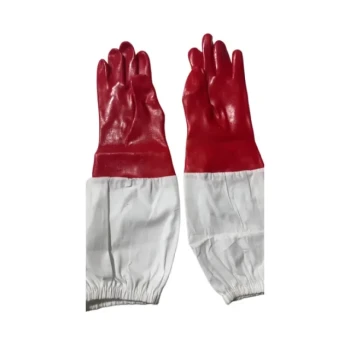
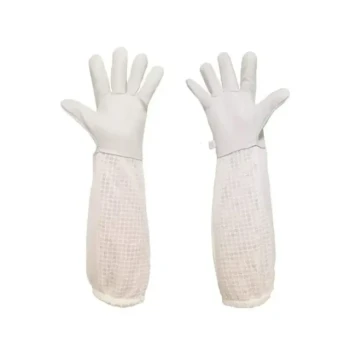
During this early stage, protection extends beyond the suit. Beginners are recommended to pair their suit with a veil, thick gloves (leather or nitrile), and boots with bands to ensure a completely sealed environment.
The Evolution: Transitioning to the Jacket
The Shift in Experience
As the beekeeper gains experience—typically over the first 12 to 24 months—their understanding of bee behavior deepens. They become more proficient at reading the hive's mood and moving gently, which reduces the likelihood of agitation and stings.
Prioritizing Comfort
Once the fear of stings subsides, the downsides of a full suit—specifically heat retention and bulk—become more apparent. Beekeepers often switch to a jacket with a veil to gain better ventilation and dexterity without sacrificing upper-body protection.
Critical Features Regardless of Style
Durability and Construction
Whether choosing a suit or a jacket, the construction quality is vital for safety. Look for gear with double-stitched seams for durability and tight elastic around the wrists and ankles to strictly prevent bees from entering the gear.
Material and Utility
The material should be strong enough to resist tears yet machine washable for easy laundering. Additionally, practical design elements like multiple pockets for carrying hive tools are essential for efficient apiary work.
Understanding the Trade-offs
The Full Suit
Pros: Offers the highest level of security and peace of mind; covers everyday clothing completely to keep it clean. Cons: Can be extremely hot in summer weather; restricts movement; takes longer to put on and take off.
The Bee Jacket
Pros: Significantly cooler and more breathable; easier to slip on for quick inspections; offers greater upper-body mobility. Cons: Leaves the legs exposed, requiring the beekeeper to wear thick pants (like denim) and ensuring their lower body clothing is sting-resistant.
Making the Right Choice for Your Stage
- If your primary focus is learning without fear: Start with a full suit to maximize confidence and safety while you master the basics.
- If your primary focus is comfort and speed: Transition to a jacket once you understand bee behavior and can remain calm during inspections.
The best protective gear is the one that makes you feel safe enough to work your bees effectively.
Summary Table:
| Stage | Preferred Gear | Key Motivation | Mobility & Comfort | Protection Level |
|---|---|---|---|---|
| Beginner (0-2 Years) | Full Bee Suit | Maximum safety & sting prevention | Low (Bulky & Hot) | Maximum (Total Coverage) |
| Experienced (2+ Years) | Bee Jacket | Agility & heat management | High (Lightweight) | Moderate (Upper Body Only) |
| Advanced | Minimalist/Veil | Speed & deep hive intuition | Highest | Minimal |
Elevate Your Apiary with Professional-Grade Gear
Whether you are a commercial apiary scaling your operations or a distributor looking to supply the highest quality tools, HONESTBEE is your strategic partner. We provide the full spectrum of beekeeping excellence, from durable protective suits and jackets designed for safety to advanced hive-making and honey-filling machinery.
Why Partner with HONESTBEE?
- Comprehensive Wholesale Catalog: Access a complete range of tools, hardware, and essential consumables.
- Industry-Leading Quality: Our gear features double-stitched seams and premium materials built for the rigors of professional beekeeping.
- Growth Focused: We support your business with everything from specialized machinery to honey-themed cultural merchandise.
Ready to equip your team or stock your shelves with the industry's best?
Contact HONESTBEE Today to Discuss Wholesale Opportunities
Related Products
- White Cotton Beekeeping Jacket and Veil for Bee Keepers
- Beekeeping Jacket with Hood and Veil for Beekeepers
- Premium Cotton Beekeeper Suit with Reinforced Fencing Veil
- Beekeeper Cowboy Hat and Veil for Beekeeping
- Professional Beekeeping Suit for Kids and Girls Childrens Bee Keeper Suit
People Also Ask
- What are the features of an economical beekeeping jacket? Essential Protection for Budget-Conscious Beekeepers
- What are the pros of using a beekeeping jacket? Unlock Superior Comfort and Mobility for Your Apiary
- What factors should a new beekeeper consider when choosing between a jacket and a full suit? Security vs. Comfort
- What are the advantages of a beekeeping jacket? Superior Mobility & Comfort for Routine Hive Inspections
- When is a beekeeping jacket considered a more suitable choice than a full suit? Optimize Your Apiary Mobility