Industrial-scale hive manufacturing serves as the technological bridge between artisanal practices and sustainable commercial agriculture. It enables the mass production of standardized hive components, drastically reducing hardware costs while ensuring every unit meets the precise biological requirements necessary for stingless bee health. By replacing variable manual construction with mechanized precision, this technology creates the infrastructure required for systematic data monitoring and large-scale pollination integration.
Core Takeaway The transition to large-scale operations relies on standardization. Industrial machinery eliminates the variability of manual construction, producing consistent rearing modules that lower investment costs, streamline maintenance through part interchangeability, and ensure the optimal physical environment for colony health and conservation.
The Foundation of Scalability: Standardization
Achieving Dimensional Precision
Manual hive construction inevitably introduces variances that complicate management at scale. Industrial machinery ensures absolute dimensional consistency across thousands of units. This precision is the prerequisite for integrating advanced technologies, such as automated honey extraction systems and sensor-based monitoring tools.
Enabling Hardware Interchangeability
In a large commercial operation, distinct hive parts must be universally compatible. Mechanized production guarantees that frames, lids, and boxes from one site are completely interchangeable with those at another. This simplifies inventory management and reduces maintenance complexity, as operators do not need to match specific parts to specific hives.
Facilitating Mechanized Logistics
Standardized dimensions allow for the efficient stacking and transport of hives. This is critical for migratory beekeeping operations, where hives are moved long distances for pollination services. Uniformity ensures structural stability during transport, minimizing damage to the colony and the equipment.
Economic Implications for the Industry
Reducing Unit Costs
The primary barrier to scaling beekeeping operations is often the high cost of infrastructure. Industrial manufacturing significantly reduces the cost per unit by utilizing wood or composite materials more efficiently than manual processing. This lowers the capital investment required to expand colony numbers rapidly.
Lowering Technical Barriers
By delivering ready-to-use, scientifically optimized hive structures, machinery lowers the technical barrier to entry for new commercial beekeepers. Operators can focus on biological management rather than carpentry, fostering a more rapid professionalization of the sector.
Biological Integrity and Conservation
Optimizing Internal Microclimates
Stingless bees are highly sensitive to environmental fluctuations. Industrial-grade hives offer superior sealing and thermal insulation properties compared to traditional boxes. This enhanced weather resistance helps maintain a stable internal microclimate, reducing the physiological stress on the bees and boosting overall colony resilience.
Adhering to Biological Parameters
Conservation efforts rely on replicating the bees' natural habitat requirements. High-precision machinery ensures the maintenance of exact "bee space"—the critical gap required for bee movement and health. This mechanical consistency ensures that biological standards are met universally, rather than sporadically.
Supporting Non-Lethal Harvesting
Standardized hives are designed to function with specific harvesting tools. This compatibility supports non-lethal harvesting workflows, allowing for the extraction of honey or propolis without destroying the colony structure. This is essential for converting beekeeping from a foraging activity into a sustainable conservation model.
Understanding the Operational Trade-offs
The Requirement for Uniform Protocols
Adopting industrial hive machinery necessitates a strict adherence to standardized management protocols. While this improves efficiency, it reduces the flexibility to make ad-hoc modifications to individual hives. Success depends on the initial design being perfectly suited to the local bee species, as a design flaw is replicated across the entire operation.
Dependency on Infrastructure
Moving to industrial production shifts reliance from skilled labor to specialized equipment maintenance. Operations must be prepared to maintain the manufacturing machinery itself to prevent production bottlenecks.
Making the Right Choice for Your Goal
To leverage this technology effectively, align the machinery's output with your specific operational focus:
- If your primary focus is Conservation: Prioritize machinery that guarantees thermal insulation and precise internal dimensions to minimize environmental stress on sensitive colonies.
- If your primary focus is Commercial Yield: Prioritize machinery that maximizes component interchangeability and durability to support automated extraction and frequent transport.
Ultimately, industrial hive manufacturing transforms the hive from a handcrafted box into a precise agricultural instrument, enabling the data-driven management required for modern apiculture.
Summary Table:
| Feature | Industrial Manufacturing Value | Benefit to Large-Scale Operations |
|---|---|---|
| Dimensional Precision | Absolute consistency in every unit | Enables automated extraction & sensor integration |
| Interchangeability | Universal fit for frames, lids, and boxes | Simplifies maintenance and inventory management |
| Economic Efficiency | Mass production and reduced waste | Lowers unit costs and capital investment hurdles |
| Biological Integrity | Precise "bee space" and thermal sealing | Enhances colony health and climate resilience |
| Logistics | Uniform stackable dimensions | Facilitates safe and efficient migratory transport |
Scale Your Apiculture Business with HONESTBEE
Transitioning to large-scale commercial beekeeping requires more than just passion—it requires precision engineering and reliable infrastructure.
HONESTBEE specializes in empowering commercial apiaries and distributors with the tools needed for growth. From high-precision hive-making machinery and honey-filling lines to a comprehensive range of wholesale beekeeping equipment, we provide the hardware that turns artisanal practices into efficient, data-driven industries.
Ready to professionalize your operation and maximize your yield?
Contact HONESTBEE Today to discuss our wholesale solutions and how our industrial equipment can support your conservation and commercial goals.
References
- Thokchom Biren Singh, A. K. Singh. The Beehives of Stingless Bees in Manipur, India and Their Ecological and Economic Impact to Farmers. DOI: 10.36948/ijfmr.2024.v06i05.29825
This article is also based on technical information from HonestBee Knowledge Base .
Related Products
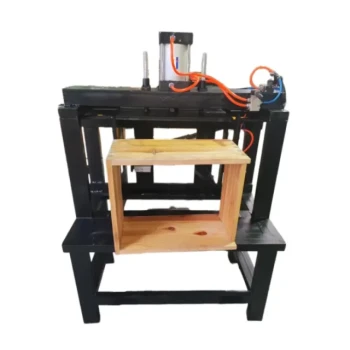
- High-Efficiency Pneumatic Bee Hive Making Machine for Rapid Box Assembly
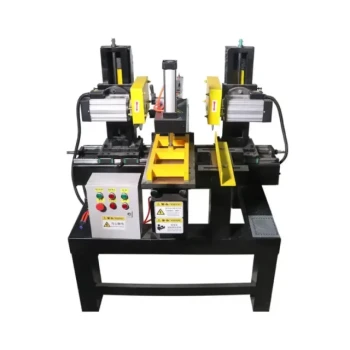
- Beehive Machine Double End Saw for Precision Hive Component Manufacturing
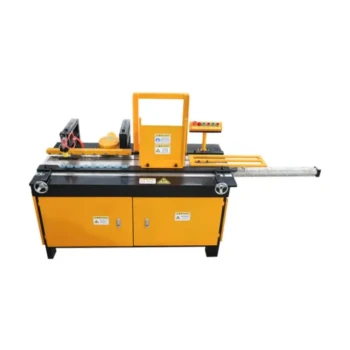
- Beehive Handle and Frame Rest Cutting Machine: Your Specialized Hive Machine
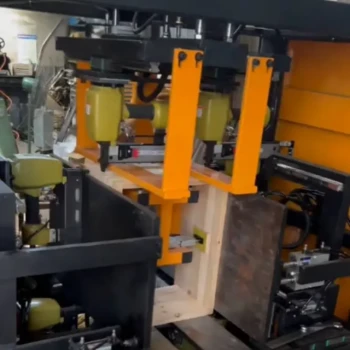
- Automatic High-Speed Bee Hive Box Stapling Machine
- Mini Desktop Bee Hive Frame Forming Making Machine
People Also Ask
- How does the introduction of professional beehive-making machinery benefit sustainable beekeeping? Scale Your Apiary
- Why is specialized beehive-making machinery critical for low-defense breeding? Enhance Selection with Precision Tools
- How does the introduction of specialized beehive making machinery contribute to increasing the scale of regional beekeeping industries?
- What is the importance of specialized beehive making machinery in a circular bio-economy? Build Local Sustainability
- Why is specialized beehive-making machinery essential? Scale Your Apiary with Precision Industrial Standards