Robbing can be mitigated by prioritizing operational efficiency, timing inspections for late afternoon, and utilizing physical entrance reducers. By ensuring the hive is open for the absolute minimum duration and keeping non-active sections covered, beekeepers prevent the scent of honey from triggering a robbing frenzy among neighboring colonies.
To prevent robbing, beekeepers must shift from a casual inspection style to a high-efficiency management model. The core strategy involves minimizing the "scent footprint" of the hive while providing the colony with a defensible physical advantage through entrance manipulation.
Maximizing Operational Efficiency During Inspections
Advance Preparation and Readiness
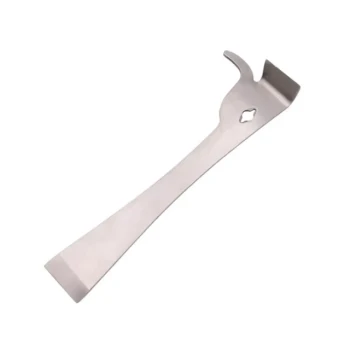
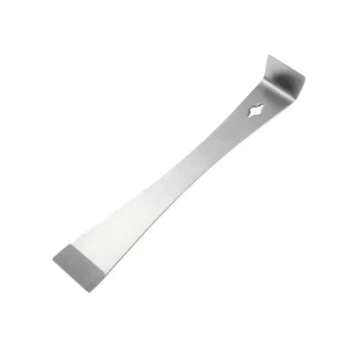
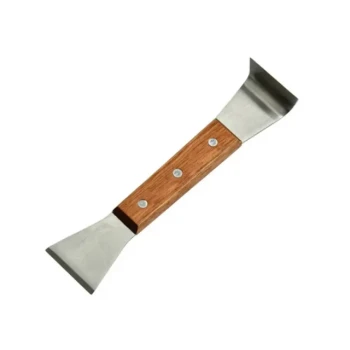
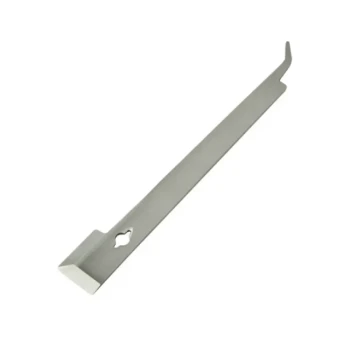
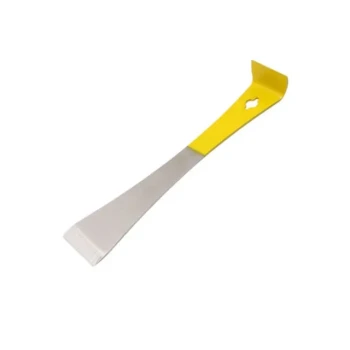
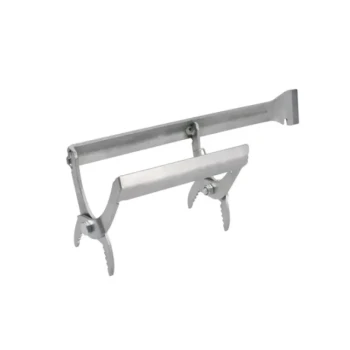
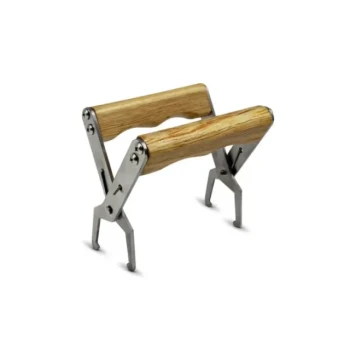
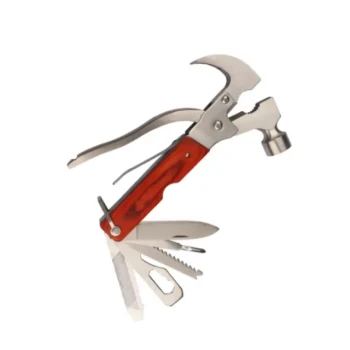
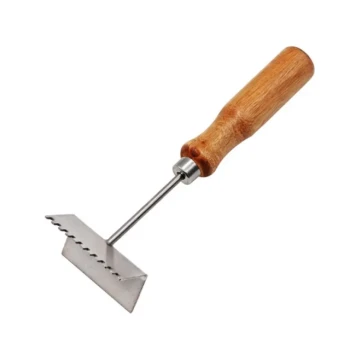
Before opening a hive, beekeepers should ensure all hive tools, smokers, and record-keeping materials are ready for immediate use. This preparation prevents unnecessary delays that keep the colony exposed to potential robbers.
Professional-grade equipment and rapid-response tools allow for a streamlined workflow. This efficiency is the first line of defense in maintaining colony security during the high-risk late-summer season.
Strategic Timing and Environmental Awareness
Performing inspections near the end of the day is a highly effective management practice. As daylight fades, bee flight activity naturally diminishes, which provides a hard stop to any robbing behavior that might have been accidentally triggered.
Additionally, maintaining smaller apiary footprints can facilitate quicker turnaround times. Smaller clusters of hives are easier to monitor and manage, reducing the overall time the apiary remains in an "opened" state.
Minimizing Hive Exposure
Whenever a hive is not being actively worked, it should be protected with an inner cover or burlap cloth. This simple barrier masks the scent of honey and prevents opportunistic bees from entering the hive while the beekeeper is distracted.
Moving any harvested frames to a clean, enclosed workspace immediately is critical. Leaving frames exposed in the bee yard acts as a beacon for intruders and can quickly escalate into an uncontrollable robbing situation.
Strategic Physical Barriers and Environmental Controls
Entrance Reduction and Defensive Scaling
Reducing the hive entrance to a size where only one or two bees can pass at a time is a primary defense tactic. Using entrance reducers, mesh guards, or even simple sticks allows the resident colony to concentrate its guard bees at a single point.
A smaller opening makes the hive significantly easier for a colony to defend against invaders. This is especially vital for weaker colonies that may not have the population density to guard a standard, wide-open entrance.
Scent Management and Residue Control
Beekeepers must be meticulous about honey residue and wax scraps. Leaving any equipment with honey on it in the apiary provides an easy food source that attracts robbers and increases aggression.
Using smoke to mask alarm pheromones is a standard practice that promotes calm behavior. Masking these scents prevents the "alarm" signal from spreading to neighboring hives, keeping the entire apiary in a tranquil state.
Gentle Handling and Disturbance Mitigation
Moving slowly and avoiding sudden movements or loud noises helps maintain a calm hive environment. Disturbed bees are more likely to release pheromones that signal vulnerability to nearby colonies.
Wearing light-colored protective clothing is also recommended, as dark colors can be perceived as predators. This reduces the defensive response of the bees, allowing the beekeeper to work more effectively and close the hive sooner.
Understanding the Trade-offs
The Risk of Late-Day Inspections
While inspecting near dusk stops robbing, it can lead to increased bee irritability. Bees are often more defensive as they return to the hive for the night, and low light makes it harder for the beekeeper to spot the queen or eggs.
Ventilation vs. Defense
Using an entrance reducer is excellent for defense but can impede ventilation during extreme heat. In peak summer, beekeepers must balance the need for a defensible entrance with the risk of the colony overheating or "bearding" excessively.
Feeding Dilemmas
External feeders are convenient but are a major catalyst for robbing. While they provide necessary nutrition, they often attract non-target insects and neighboring colonies, potentially creating a more significant problem than the one they were intended to solve.
Choosing the Right Approach for Your Operation
Distributors and professional managers must recommend practices that align with the specific goals of the apiary. Choosing the right tools—from high-efficiency smokers to precision entrance reducers—is essential for a comprehensive management strategy.
- If your primary focus is large-scale honey production: Prioritize ultra-fast delivery of harvested frames to enclosed facilities and use entrance reducers across the entire yard to prevent cross-colony theft.
- If your primary focus is colony health and queen rearing: Focus on late-afternoon inspections and the use of scent-masking cloths to ensure that sensitive, smaller colonies are not overwhelmed by stronger neighbors.
- If your primary focus is retail supply and hobbyist support: Emphasize a full-spectrum product portfolio that includes professional protective gear and high-quality feeders designed to minimize external scent leaks.
Effective robbing prevention transforms hive management from a reactive struggle into a proactive, efficient, and professional operation.
Summary Table:
| Management Practice | Key Implementation | Primary Benefit |
|---|---|---|
| Strategic Timing | Inspect in the late afternoon/dusk | Limits duration of potential robbing activity |
| Entrance Control | Use entrance reducers or mesh guards | Allows guard bees to defend a smaller area |
| Scent Masking | Use inner covers and smoke | Prevents honey scents from attracting intruders |
| Operational Speed | Prepare tools and records in advance | Minimizes the time the hive remains exposed |
| Residue Management | Clean up wax scraps and honey spills | Removes visual and olfactory triggers for robbers |
Scale Your Apiary Supply Business with HONESTBEE
As a premier one-stop sourcing partner, HONESTBEE provides distributors, wholesalers, and B2B resellers with a comprehensive, full-spectrum product portfolio. From high-efficiency hive-making and honey-filling machinery to essential beekeeping tools and premium industry consumables, we empower your business with:
- Deep Professional Expertise: Industry-leading knowledge to support your procurement decisions.
- Rapid Fulfillment: Ultra-fast delivery and efficient order processing to keep your inventory moving.
- Exceptional Trading Services: Dedicated support and rapid response times tailored for high-volume resellers.
Ready to enhance your margins with a reliable global supplier? Contact HONESTBEE today to explore our wholesale offerings and specialized hardware solutions.
Related Products
- Professional Multi-Function Stainless Steel Hive Tool
- HONESTBEE Professional Long Handled Hive Tool with Precision Cutting Blade
- Professional Stainless Steel Pry-Bar Hive Tool
- Professional Dual-End Stainless Steel Hive Tool for Beekeeping
- Stainless Steel J Hook Hive Tool for Beekeeping
People Also Ask
- Why are professional hive tools considered indispensable? Master Beekeeping Maintenance with Precision Leverage
- What is the role of professional hive tools in routine apiary maintenance? Expert Tips for Hive Health and Longevity
- What are the benefits of a multi-functional hive tool? Streamline Your Apiary Workflow with One Tool
- What advantages do multi-functional hive tools offer? Maximize Your Apiary Efficiency and Workflow
- What are the common construction features of hive tools? Key Insights for Superior Beekeeping Efficiency