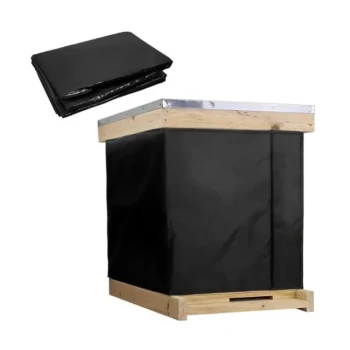
The material selected for insulation is dictated primarily by the architecture of the hive itself. For vertical structures like Langstroth and Warre hives, the most effective materials are external wraps made of tar paper or heavy construction paper. Conversely, horizontal Top Bar hives require internal insulation using organic materials such as straw, hay, or woolen blankets.
Core Takeaway: To prevent cold-related bee mortality in extreme climates, you must establish a stable internal temperature. Success depends on distinguishing between external "wrapping" methods for vertical hives and internal "cavity filling" for horizontal hives.
Insulation Strategies for Vertical Hives
The geometry of vertical hives requires a focus on external barriers.
Strategies for Langstroth and Warre Hives
For these standard vertical configurations, the primary goal is to create a thermal shield around the exterior. The most recommended materials are tar paper or heavy construction paper.
The Function of Paper Wraps
Wrapping the hive creates a continuous thermal barrier. This method protects the colony from wind chill and helps retain the heat generated by the cluster without intruding into the bees' living space.
Commercial Hardware Options
Beyond standard construction paper, beekeepers may utilize specialized hardware. Foam boards and commercially designed hive wraps are effective alternatives that offer standardized protection for these hive types.
Insulation Strategies for Horizontal Hives
Top Bar hives present a different challenge and require internal management rather than external wrapping.
Utilizing the Internal Cavity
Because Top Bar hives often have excess empty space during winter, insulation is placed inside the hive body. The goal is to reduce the volume of air the bees must heat.
Organic Fillers
The best materials for filling these internal voids are porous, organic substances. Straw, hay, and woolen blankets are ideal for filling the cavity space to provide the necessary insulation.
Understanding the Trade-offs
Choosing the wrong method for your specific hive type can lead to ineffective insulation.
Matching Material to Hive Design
There is a distinct trade-off between external and internal application. You cannot effectively insulate a Top Bar hive simply by wrapping it, as the internal volume remains too large. Similarly, stuffing a Langstroth hive interferes with the vertical movement of the cluster.
Material Availability vs. Specialized Gear
Beekeepers must decide between readily available construction/agricultural materials and specialized beekeeping products. While tar paper and hay are accessible and effective, specialized foam boards may offer higher R-values but require specific purchasing.
Making the Right Choice for Your Goal
To ensure colony survival, align your material choice with your equipment type.
- If your primary focus is insulating Langstroth or Warre hives: Use tar paper or heavy construction paper to wrap the exterior of the hive boxes.
- If your primary focus is insulating Top Bar hives: Reduce internal air volume by filling the cavity with straw, hay, or woolen blankets.
- If your primary focus is using modern or specialized equipment: Opt for rigid foam boards or manufactured hive wraps designed for your specific local conditions.
Correctly matching your insulation material to the hive structure is the single most important factor in maintaining a stable internal environment.
Summary Table:
| Hive Type | Insulation Method | Recommended Materials | Primary Benefit |
|---|---|---|---|
| Vertical (Langstroth/Warre) | External Wrapping | Tar paper, heavy construction paper, foam boards | Wind chill protection & heat retention |
| Horizontal (Top Bar) | Internal Cavity Filling | Straw, hay, woolen blankets | Reduces internal volume to minimize heat loss |
| Specialized/Modern | Component Integration | Commercial hive wraps, rigid foam boards | High R-value & standardized fit |
Scale Your Apiary Success with HONESTBEE
Maximize your colony survival rates and operational efficiency with professional-grade equipment. As a leading partner to commercial apiaries and distributors, HONESTBEE provides a comprehensive wholesale solution for the global beekeeping industry.
Whether you need specialized hive-making machinery, high-precision honey-filling machines, or a steady supply of essential industry consumables and tools, we deliver the hardware and expertise required for large-scale success. From durable hive components to honey-themed cultural merchandise, we help you add value at every stage of production.
Ready to upgrade your commercial operations?
Contact HONESTBEE Today for Wholesale Solutions
Related Products
- Professional Insulated Plastic Bee Hives
- Professional Insulated Winter Hive Wrap for Beekeeping
- Inner Beehive Cover for Beekeeping Bee Hive Inner Cover
- Stainless Steel Round Beehive Air Vents for Ventilation
- Metal Hive Feet Bee Hive Stand for Ant Protection
People Also Ask
- What are the advantages of plastic bee hives? Boost Efficiency & Durability for Your Apiary
- Are plastic bee hives any good? Unlock Durability & Efficiency for Your Apiary
- How do plastic bee hives compare to wooden hives in handling? Reduce Strain & Boost Efficiency
- Are plastic bee hives good? Durable, Low-Maintenance Hives for Modern Apiaries
- What are the disadvantages of plastic beehives? Key Operational and Environmental Risks Exposed