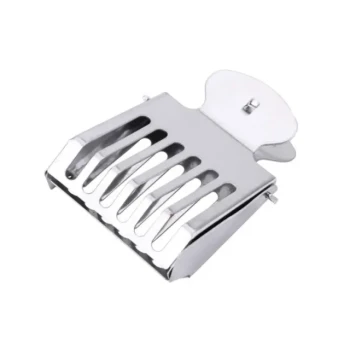
Modern queen excluders are primarily constructed from metal or plastic. While distinct in cost and weight, both materials are engineered to form a precise grid—either through welded wires or slotted sheets—that restricts the larger queen while allowing smaller worker bees to pass through.
The choice of material is not just about price; it fundamentally dictates the longevity of the equipment and the ease with which worker bees can navigate the hive, with metal wire generally offering the least resistance.
The Primary Material Standards
The beekeeping industry relies on two main categories of materials to manufacture excluders. Each material dictates the construction style, typically resulting in either a "screen" of wires or a flat, perforated sheet.
Metal Excluders
Metal is the traditional standard for durability. These excluders are typically constructed as a screen made from a series of parallel wires.
According to modern manufacturing standards, these wires are usually welded wire.
To prevent rust and ensure longevity within the humid hive environment, the metal used is almost exclusively galvanized steel or stainless steel.
Plastic Excluders
Plastic serves as the lightweight, economical alternative to metal.
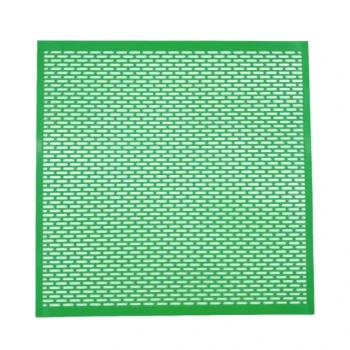
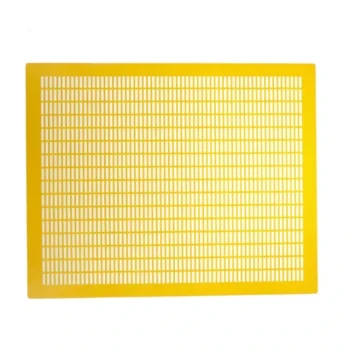
Rather than using wires, plastic excluders are generally manufactured as a flat sheet with slots.
These are molded to specific dimensions to ensure the exclusion of the queen while maintaining a low profile within the hive stack.
Wood-Based Options
While less common as a standalone grid material in modern setups, wood is still utilized in the construction of excluders.
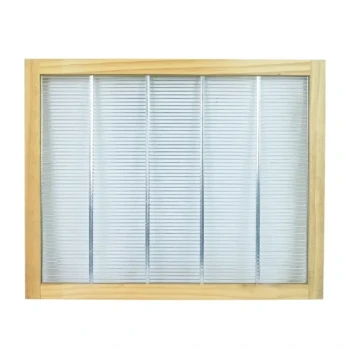
Typically, wood is used to create a structural rim or frame that holds a metal wire grid in place, providing proper spacing (known as "bee space") between hive boxes.
Understanding the Trade-offs
When selecting an excluder, the material directly impacts the tool's performance and the colony's efficiency.
Impact on Durability
The selection of material largely determines the tool's lifespan.
Metal excluders, particularly those made of stainless steel, offer superior resistance to environmental elements and the wear and tear of beekeeping seasons.
Plastic excluders are generally less durable over time, potentially becoming brittle or warping, but they are significantly cheaper to replace.
Design and Bee Movement
The material often dictates the shape of the barrier.
Metal excluders usually feature round wires, which allow worker bees to slip through easily with minimal friction.
Plastic and some stamped metal excluders consist of flat sheets with sharp-edged slots. These can sometimes be more difficult for bees to squeeze through, potentially slowing down the movement of nectar and pollen into the honey supers.
Making the Right Choice for Your Goal
The "best" material depends on your budget and the scale of your operation.
- If your primary focus is longevity and efficiency: Choose stainless steel welded wire, as it withstands years of use and offers the smoothest passage for worker bees.
- If your primary focus is cost-effectiveness: Choose plastic, which provides a functional barrier at a fraction of the cost, suitable for hobbyists or temporary setups.
- If your primary focus is structural stability: Choose a wood-bound metal excluder, which integrates the durability of wire with a sturdy frame to maintain proper hive spacing.
Select the material that balances your need for durability with the comfort and productivity of your colony.
Summary Table:
| Material | Construction Style | Durability | Bee Movement Ease | Best For |
|---|---|---|---|---|
| Stainless Steel | Welded Round Wire | Very High | Excellent (Minimal Friction) | Commercial Longevity |
| Galvanized Steel | Welded Round Wire | High | Excellent | Professional Beekeeping |
| Plastic | Slotted Flat Sheet | Moderate | Fair | Budget-Conscious Hobbyists |
| Wood-Bound Metal | Wire Grid w/ Rim | High | Excellent | Structural Stability & Bee Space |
Maximize Your Apiary Productivity with HONESTBEE
At HONESTBEE, we understand that the right equipment is the foundation of a successful honey harvest. We cater exclusively to commercial apiaries and distributors, offering a comprehensive wholesale range of beekeeping tools, specialized machinery, and essential consumables.
Whether you need high-precision stainless steel queen excluders, hive-making machines, or honey-filling equipment, our portfolio is designed to enhance your operational efficiency and durability. Partner with a supplier that values your colony's productivity as much as you do.
Ready to scale your operation? Contact us today to receive our full wholesale catalog and expert guidance!
Related Products
- High Performance Plastic Queen Excluder for Beekeeping and Apiary Management
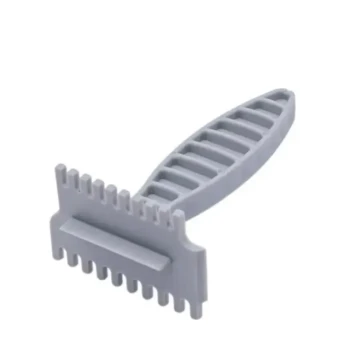
- Lightweight Durable Plastic Queen Excluder Scraper for Beekeeping
- Premium Wood Framed Metal Wire Queen Bee Excluder
- Professional Plastic Queen Excluder for Modern Beekeeping
- Metal Queen Bee Excluder for Beekeeping
People Also Ask
- What are the characteristics of a plastic queen excluder? Key Benefits for Cost-Effective Beekeeping
- What are the operational and cost advantages of using plastic queen excluders over metal or wire excluders in commercial hive management? Discover how they reduce labor, prevent wing damage, and lower total costs.
- What types of queen excluders are available for beekeepers? Choose the Right Tool for Your Hive
- Why are standardized hive frames and queen excluders essential for maintaining honey purity and quality? Scale Your Purity
- Do plastic queen excluders work? A Cost-Effective Solution for Modern Apiaries