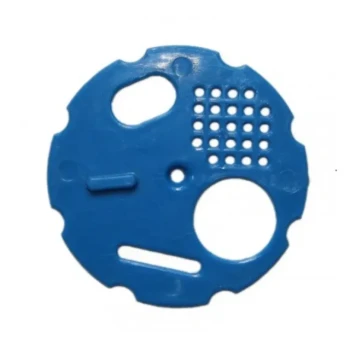
Fortifying a honey bee hive against yellow jackets requires a three-pronged approach focused on entrance restriction, structural repair, and sanitation. To immediately bolster defense, beekeepers must reduce the hive entrance size to assist guard bees, seal any structural gaps that allow unauthorized entry, and consistently remove dead bees to prevent attracting predators.
The most effective defense against yellow jackets turns the hive's structure into a strategic advantage. By creating a single, narrow defensive front and removing signs of weakness, you maximize the colony's natural ability to repel raiders.
Controlling Access Points
The primary tactical disadvantage a hive faces is a wide, undefended perimeter. You must physically alter the hive to shift the odds in favor of the colony.
Empowering the Guard Bees
Guard bees are the colony's first line of defense. However, they cannot effectively patrol a wide, fully open bottom board against agile predators like yellow jackets.
By using an entrance reducer, you create a "choke point." This forces intruders to enter through a small gap where guard bees can concentrate their numbers and defensive power.
Eliminating Structural Vulnerabilities
Yellow jackets are opportunistic and will exploit any opening, not just the front door.
Conduct regular inspections of the hive boxes and bottom boards. You are looking for rot, warped wood, or open knots that create "backdoor" access. Any hole large enough for a yellow jacket must be sealed immediately to prevent them from bypassing the guard bees entirely.
Managing Olfactory Signals
Defense is not just about physical barriers; it is also about managing the signals your hive broadcasts to the environment.
Removing Signs of Weakness
A pile of dead honey bees at the hive entrance is a beacon for predators. In nature, this accumulation suggests the colony is sick, weak, or unable to perform basic housekeeping.
This scent signals vulnerability to yellow jackets, encouraging them to raid.
Routine Sanitation
Beekeepers must actively clear away dead bees from the entrance and the ground immediately in front of the hive. Keeping this area clean masks the scent of decay and makes the hive appear robust and well-managed to scouting predators.
Common Pitfalls to Avoid
While fortifying the hive is essential, these measures come with operational trade-offs that must be managed.
Ventilation vs. Security
Reducing the entrance size improves security but significantly restricts airflow.
During periods of high heat, a reduced entrance can cause the hive to overheat or struggle with humidity. You must balance the need for defense with the need for ventilation, potentially using screened bottom boards or upper vents if the entrance is restricted.
Inspection Frequency
Searching for structural holes is vital, but excessive inspections can be counterproductive.
Opening the hive disrupts the colony's internal organization and stress levels. Focus your structural checks on the exterior of the boxes whenever possible to maintain the colony's defensive posture without causing internal chaos.
Making the Right Choice for Your Goal
To implement these defenses effectively, prioritize your actions based on the current threat level.
- If your primary focus is immediate defense: Install an entrance reducer right away to give your guard bees a geometric advantage against active attackers.
- If your primary focus is preventing future raids: Establish a strict hygiene routine, removing dead bees daily to stop attracting scouts looking for weak targets.
- If your primary focus is equipment maintenance: Schedule an external audit of your hive bodies to identify and seal cracks before the yellow jacket season peaks.
A defensible hive is a clean, sealed, and restricted fortress where the colony dictates the terms of engagement.
Summary Table:
| Defense Strategy | Action Required | Primary Benefit |
|---|---|---|
| Entrance Restriction | Install entrance reducers | Creates a choke point for guard bees |
| Structural Repair | Seal cracks, knots, and warped wood | Eliminates "backdoor" access points |
| Sanitation | Remove dead bees from hive front | Removes olfactory signals of weakness |
| Ventilation Control | Use screened boards if restricted | Prevents overheating while staying secure |
Secure Your Apiary with HONESTBEE Professional Equipment
Protecting your colony from yellow jackets is just the first step in successful beekeeping. At HONESTBEE, we empower commercial apiaries and distributors with the high-quality tools and machinery needed to build a resilient honey business.
From durable hive-making machines that ensure a perfect, gap-free seal to advanced honey-filling systems and professional-grade beekeeping hardware, we provide the full spectrum of equipment to optimize your operations. Whether you are scaling up your production or stocking the best consumables for your clients, our wholesale solutions are tailored to your growth.
Ready to fortify your business with industry-leading equipment?
Contact HONESTBEE Today to Discuss Your Wholesale Needs
Related Products
- Steel Round Disc Entrance Reducer for Flexzion Bee Hive Nuc Box Gate
- Beehive Entrance Reducer Guardian Metal Hive Entrance for Bees
- Professional Hive Front Entrance Bee Feeder
- HONESTBEE Entrance Bee Feeder Efficient Hive Front Liquid Feeding Solution for Beekeeping
- HONESTBEE Entrance Bee Feeder Professional Hive Nutrition Solution for Beekeeping
People Also Ask
- What is the purpose of an entrance reducer for a beehive? Strengthen Colony Defense and Prevent Robbery
- Why are entrance reducers used to counter hornet infestations? Protect Your Hive with Strategic Choke Points
- Why is it critical to maintain a smaller entrance for a newly established bee hive? Boost Colony Growth and Security
- What is the function of an entrance reducer on a beehive? Strengthen Colony Defense and Climate Control
- Under what conditions should a beekeeper adjust the size of a beehive entrance? Seasonal & Defense Management Tips