Standardized movable-frame hives give commercial apiaries better control, labor efficiency, and scalability than traditional pot hives or circular frame hives. Their removable, interchangeable frames allow operators to inspect colonies, manage brood and queen laying, control pests and disease, split or merge colonies, and harvest honey without destroying the comb. Standard dimensions also support repeatable equipment handling, mechanical extraction, and bulk production across a large apiary.
The central advantage is operational control: standardized movable-frame hives turn colony management and honey harvesting into repeatable processes that can be inspected, measured, scaled, and mechanized.
Why Commercial Apiaries Need Standardized Hive Hardware
Traditional Hive Structures Limit Intervention
Pot hives and other fixed-comb structures can support specialty honey production, but their internal combs are difficult or impossible to remove individually. This makes it harder to evaluate brood development, locate the queen, diagnose disease, or correct colony problems without disturbing or damaging the hive.
Circular frame hives provide some frame mobility, but their non-standard geometry can make equipment handling, replacement, inspection, and extraction less efficient than with widely standardized rectangular-frame systems.
Standardization Creates Repeatable Operations
Standard movable-frame hives use consistent hive bodies, frames, covers, and internal spacing. A commercial operator can apply the same inspection, feeding, splitting, harvesting, and maintenance procedures across many colonies.
This repeatability is especially important for distributors, wholesalers, and large beekeeping customers who need dependable product compatibility rather than isolated, difficult-to-replace hive designs.
The Main Operational Advantages
Faster Colony Inspection
Operators can remove individual frames to inspect brood patterns, honey stores, queen activity, pests, and disease indicators. This provides a more precise view of colony condition than inspecting a fixed-comb structure from the outside or cutting into it.
Routine inspections become more systematic because each frame can be examined, recorded, repositioned, or replaced without dismantling the entire colony.
More Efficient Queen and Brood Management
Movable frames allow beekeepers to assess queen laying patterns and brood development directly. They can identify weak or congested colonies and make targeted interventions before production is seriously affected.
The same design supports colony splitting and merging, giving commercial operators more control over colony numbers and strength during the production cycle.
Non-Destructive Honey Harvesting
Honey can be removed from individual frames while preserving the hive structure and beeswax comb. After extraction, the comb can be returned to the colony for reuse.
Because bees do not need to rebuild as much wax after each harvest, more of their available energy can remain directed toward colony growth and nectar collection. This can shorten the time needed to restore production after harvesting.
Compatibility With Mechanical Extraction
Standard frames are suited to centrifugally extracting honey with equipment designed for repeated commercial use. This improves throughput and reduces the need for destructive processing associated with fixed-comb or pot-based honey harvesting.
For bulk producers, the result is a more consistent workflow from hive removal through extraction, filtering, storage, and order fulfillment.
Lower Labor Cost Per Hive
The commercial benefit is not simply that one hive is easier to open. Standardized components allow workers to use the same tools, handling methods, and inspection routines throughout the apiary.
As the number of colonies increases, this operational consistency can reduce labor time per hive and make staffing, training, and production scheduling easier to manage.
Interchangeable Components
Standardized frames and hive parts can be replaced, moved, or mixed between compatible colonies. Damaged components do not necessarily require a complete hive replacement.
Interchangeability also makes it easier to maintain spare inventory, fulfill urgent replacement needs, and source compatible products from a broader supplier network.
Flexible Capacity and Transport
Commercial operators can select configurations according to production and logistics requirements. Ten-frame hive bodies generally prioritize capacity, while eight-frame configurations reduce total lifting weight and can simplify transport and routine handling.
This flexibility is valuable when apiaries operate across different sites, climates, vehicle capacities, or labor conditions.
More Precise Internal Spacing
Standardized hive components maintain the intended bee space, commonly specified at approximately 3/8 inch, or 9.525 mm, in the relevant internal arrangements. Correct spacing helps prevent bees from excessively joining components with propolis or filling oversized gaps with unwanted burr comb.
Maintaining this geometry supports smoother inspections, frame removal, component replacement, and long-term equipment consistency.
How Standardization Supports Apiary Growth
Scaling Colony Numbers
A commercial apiary needs hardware that can be replicated without introducing a new operating method for every hive. Standard movable-frame equipment provides a common platform for adding colonies, expanding production sites, and training staff.
The hardware becomes a foundation for scientific management rather than a collection of individually managed traditional structures.
Improving Production Consistency
Fixed-comb systems can produce valuable specialty honey, but their output and management options are less predictable at scale. Movable frames allow operators to monitor colony condition and intervene more precisely, which supports more consistent production planning.
Some reference material reports annual production increasing from roughly 5 kg to 15-30 kg under modern movable-frame management. Actual results depend on bee genetics, forage availability, weather, colony strength, management quality, and local conditions, so this range should be treated as an indicative comparison rather than a guaranteed outcome.
Supporting Supply and Service Operations
Standardized equipment simplifies purchasing because customers can order compatible hive bodies, frames, supers, covers, and replacement parts as part of one coordinated product portfolio. For distributors and B2B resellers, this creates opportunities to supply complete apiary systems rather than isolated hive units.
Reliable component compatibility also supports faster quoting, clearer inventory planning, responsive after-sales service, and more efficient order fulfillment.
Understanding the Trade-offs
Specialty Honey May Require Traditional Structures
Pot hives and fixed-comb systems can be appropriate when the product depends on intact comb, a distinctive presentation, or a specialty pot-honey process. Replacing them with movable-frame equipment may change the character of the final product.
The correct choice therefore depends partly on whether the business prioritizes specialty differentiation or scalable bulk production.
Standardization Requires Equipment Discipline
Movable-frame systems deliver their full value only when dimensions remain consistent. Mixing incompatible frame sizes, hive bodies, or internal components can eliminate interchangeability and create spacing problems.
Commercial buyers should verify specifications, tolerances, wood quality, assembly accuracy, and compatibility across the complete system before standardizing a supplier.
Handling Still Requires Skilled Labor
Removable frames reduce unnecessary labor, but they do not eliminate the need for trained beekeepers. Correct inspection, disease control, colony manipulation, feeding, and seasonal management remain essential.
Mechanized extraction also requires suitable equipment, power, maintenance, and workflow planning.
Product Quality Affects the Business Case
A poorly manufactured hive can warp, split, leak, or lose dimensional accuracy, undermining the advantages of standardization. Low-cost components may therefore create higher replacement, downtime, and labor costs over the product’s service life.
Commercial customers should evaluate durability, manufacturing consistency, packaging, lead times, and technical support alongside the initial purchase price.
Making the Right Choice for Your Goal
The most suitable hive format depends on the apiary’s production model, labor structure, and sales channel.
- If your primary focus is bulk honey production: Choose standardized movable-frame hives that support non-destructive harvesting, reusable combs, and mechanical extraction.
- If your primary focus is labor efficiency at scale: Prioritize interchangeable components, consistent dimensions, and configurations that match lifting and transport requirements.
- If your primary focus is colony health and scientific management: Use removable frames for repeatable inspections, brood assessment, pest monitoring, feeding, and colony splitting.
- If your primary focus is specialty pot honey: Retain pot or fixed-comb systems where intact comb and traditional presentation are central to the product’s value.
- If your primary focus is distribution or wholesale supply: Build a compatible product portfolio with standardized hive components, dependable specifications, responsive service, and efficient fulfillment.
For commercial apiaries, standardized movable-frame hives provide the strongest operational platform when the goal is controlled management, repeatable labor, scalable equipment, and efficient honey production.
Summary Table:
| Advantage | Impact |
|---|---|
| Faster colony inspection | Precise monitoring of brood, queen, and pests |
| Non-destructive honey harvesting | Reusable comb, higher yield efficiency |
| Mechanical extraction compatibility | Increased throughput and consistency |
| Interchangeable components | Reduced downtime, easier replacement |
| Lower labor cost per hive | Scalable operations with consistent procedures |
| Precise internal spacing | Minimizes propolis and burr comb issues |
| Flexible capacity and transport | Adaptable configurations for logistics |
Ready to optimize your commercial apiary with standardized movable-frame hives? HONESTBEE offers a complete range of beekeeping equipment tailored for distributors and large beekeepers. Our one-stop sourcing, OEM/ODM support, certified quality, and fast delivery ensure you get reliable supply and profit margins. Contact us today to discuss your needs and receive a personalized quote. Contact us.
Related Products
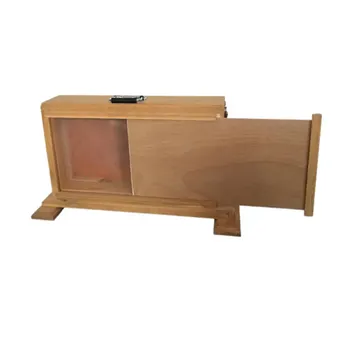
- Professional Observation Hive: The Ultimate Portable Solution for Beekeeping Education, Exhibitions, and Colony Displays
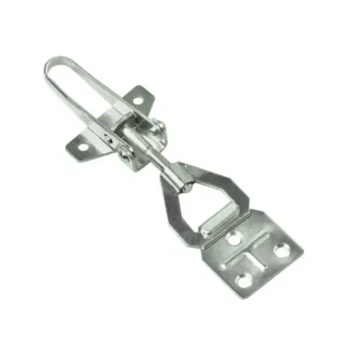
- Heavy Duty Adjustable Hive Connector
- Professional Grade Foldable Beehive Handles
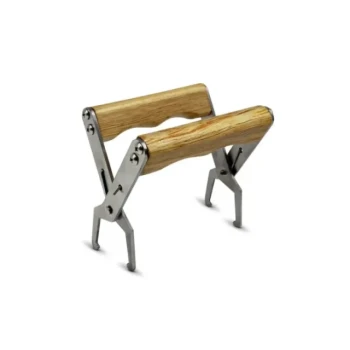
- Multi-Function Plier-Style Frame Grip Hive Tool
- Plastic Bee Frame Beekeeping Hive Frames for Wholesale
People Also Ask
- How does transitioning to modern hives boost honey yield? Increase production and product quality for your commercial apiary
- How do Langstroth and Dadant standard beehives compare regarding brood chamber management and component compatibility? Find the Perfect Fit for Your Apiary
- What are the key operational differences and structural trade-offs between Langstroth beehives and top-bar beehives for apiary management? Discover which hive system fits your operational needs.
- What are the primary differences between Langstroth, horizontal top bar, and Warré hive box designs when selecting beekeeping equipment? Choose the Right Hive for Your Apiary
- Why do commercial apiary operators transition from traditional hive structures, such as clay cylinders, to standardized Langstroth hive boxes? Discover Scalable Beekeeping Solutions