Calculating your expected throughput is the single most critical step before investing in a honey stick machine. To choose the right equipment, you must quantify the number of batches you plan to run per shift and the total processing volume required for each batch.
The specific size, mixing cycle, and speed of the machine you select must be mathematically derived from your daily production goals, rather than estimated by guesswork.
Defining Your Production Requirements
Calculating Batches Per Shift
You must establish a clear target for how frequently you will cycle the machine. Determine exactly how many distinct batches you intend to process during a single work shift.
This number dictates the operational tempo required of the machine. It helps you avoid bottlenecks where the machine's cycle time is too slow to meet your daily quota.
Determining Batch Volume
Analyze the processing volume required for each individual batch. This figure represents the actual amount of honey being moved through the system at one time.
Knowing this volume is essential for sizing the hopper and the internal mechanisms of the machine. An undersized machine will require too many refills, drastically reducing efficiency.
Matching Specifications to Output
Selecting the Right Size and Speed
Your volume estimates directly influence the physical size and speed capabilities needed in a machine.
High-volume operations require machines with faster processing speeds to clear the requisite batches per shift. Conversely, smaller operations can save capital by selecting machines with more modest speed ratings that align with lower volume needs.
The Mixing Cycle
The mixing cycle refers to the time it takes to prepare and process the honey within the machine.
You must ensure the machine's cycle time is short enough to accommodate your calculated batches per shift. If the mixing cycle is too long, you will physically run out of time during the shift to meet your output goals.
Material and Compatibility Factors
Pack Size Configuration
Output is not just about liquid volume; it is also about the physical dimensions of the final product. Different machine models are engineered to handle specific stick pack sizes.
You must plan your desired package dimensions in advance. Buying a machine incompatible with your intended stick size will halt production immediately.
Packaging Material Constraints
Machines are often calibrated for specific packaging material types. The film or foil you use must be compatible with the machine's sealing mechanisms.
Ensure the machine is rated for your specific material to guarantee consistent output quality and prevent jamming or sealing failures.
Understanding the Trade-offs
Throughput vs. Flexibility
High-speed machines often excel at producing one specific size rapidly. If you require various pack sizes, you may need a more flexible machine, which often comes with a trade-off in top-end speed.
Vendor Reliability vs. Technical Specs
Even a machine with perfect output specifications is a liability if the manufacturer cannot support it.
You must research vendors by looking for a large number of positive recommendations. A vendor with poor service can cause extended downtime, rendering your theoretical output calculations useless.
Making the Right Choice for Your Goal
To ensure your investment supports your business objectives, align your purchase with your specific operational focus:
- If your primary focus is high-volume efficiency: Calculate your batches per shift first to ensure the machine's speed and mixing cycle can keep up with demand.
- If your primary focus is product variety: Verify that the machine is compatible with multiple stick pack sizes and packaging materials before checking speed.
- If your primary focus is long-term uptime: Prioritize vendors with extensive positive customer reviews regarding service quality, even if their machines are slightly more expensive.
Select a machine that fits your math, not just your budget.
Summary Table:
| Factor | Description | Impact on Selection |
|---|---|---|
| Batches per Shift | Total cycles per work period | Determines required operational tempo and speed |
| Batch Volume | Amount of honey processed at once | Dictates necessary hopper size and system capacity |
| Mixing Cycle | Time required for one complete batch | Affects the ability to meet daily production quotas |
| Pack Size & Material | Dimensions and film type used | Ensures mechanical compatibility and sealing quality |
| Vendor Reliability | Support and service reputation | Crucial for maintaining long-term uptime and output |
Scale Your Honey Production with HONESTBEE
Maximize your apiary's profitability with the right equipment. HONESTBEE provides professional-grade honey-filling and stick-making machinery designed specifically for commercial apiaries and distributors. From specialized hardware to essential industry consumables, our comprehensive wholesale offering ensures your operation runs at peak efficiency.
Ready to optimize your output? Contact our experts today to find the perfect machinery tailored to your volume goals and join our global network of successful honey producers.
Related Products
- Honey Stick Filler Vertical Paste Sachet Packing Machine for Honey Sachets
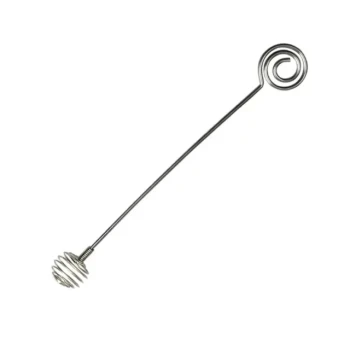
- Modern Stainless Steel Honey Dipper Stirrer
- Professional Plastic Honey Dipper for Easy Honey Drizzling
- Automatic Single-Dose Snap & Squeeze Honey Sachets Packing Machine
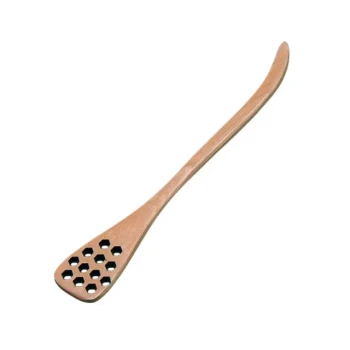
- Modern Honeycomb Pattern Wooden Honey Dipper for Stirring and Drizzling
People Also Ask
- How do honey stick and honey sachet machines differ? Choose the Right Packaging for Your Honey
- What are the main functions of a honey sachet packing machine? Boost Efficiency with Automated Precision
- What are the advantages of honey sachet packing machines? Boost Efficiency & Unlock New Markets
- What types of filling and packing machines are available for different scales of honey production? Expert Solutions
- What is the working principle of a honey stick packing machine? Automate Your Honey Production Line