The ideal beekeeping glove is defined by a critical balance between physical protection and tactile sensitivity. You must select gloves that are thick enough to prevent sting penetration, yet thin enough to maintain the dexterity needed to handle hive components and bees with precision.
Core Takeaway: The most critical factor in selecting beekeeping gloves is finding the "Goldilocks" zone—material substantial enough to block stingers but flexible enough to allow for delicate manipulation of frames without crushing bees.
Balancing Protection and Precision
The Necessity of Thickness
The primary function of the glove is to act as a barrier. The material must possess adequate puncture resistance to stop a bee stinger from reaching the skin.
Without this basic level of thickness, the glove fails its safety purpose, potentially eroding the confidence of the beekeeper.
The Requirement for Dexterity
While thickness provides safety, it must not compromise your ability to feel what you are holding. Beekeeping requires handling delicate frames and equipment.
If gloves are too bulky, you lose tactile feedback. This can lead to clumsy movements, accidental crushing of bees, and a defensive reaction from the hive.
Critical Design Features
Achieving a Snug Fit
A snug fit is non-negotiable for both safety and utility. Gloves that fit closely prevent bees from crawling inside the glove, which is a common and painful occurrence with loose gear.
Furthermore, a tight fit ensures the material moves with your fingers, maximizing your ability to perform intricate tasks.
Cuff Length and Seal
You should look for gloves with long cuffs that extend up the forearm. This ensures there is no gap between your suit and your hands where bees could enter.
Some designs include elastic or velcro closures to create a bee-tight seal around the sleeve of your suit.
Material Considerations
Leather Options
Leather is the traditional choice for maximum durability and sting protection. It offers a formidable barrier against aggressive colonies.
However, the trade-off is often increased stiffness and reduced sensitivity compared to synthetic materials.
Ventilated Options
For beekeepers in hot climates, ventilated gloves feature mesh panels near the wrist to promote airflow and reduce moisture buildup.
These are lightweight and cooler, but the mesh areas are potential weak points where stings can occur, and they are generally less durable than full leather.
Nitrile and Synthetic Options
Nitrile gloves can offer a high degree of puncture resistance while maintaining a thinner profile than leather.
When choosing these, look for textured fingertips or palms to ensure a secure grip on propolis-coated frames.
Understanding the Trade-offs
Confidence vs. Skill Development
Thick gloves are excellent for beginners because they hide shaky hands and prevent bees from sensing nervousness.
However, reliance on thick gloves can hinder the development of "soft hands." Many experienced beekeepers eventually discard gloves entirely to maximize dexterity, accepting the risk of stings for better hive control.
Durability vs. Comfort
Ventilated gloves offer superior comfort during long inspections in the heat.
The downside is that mesh tears more easily than solid hide. You must decide if thermal comfort is worth the reduction in longevity and total protection.
Making the Right Choice for Your Goal
To select the best gloves, you must assess your specific environment and experience level.
- If your primary focus is Maximum Safety: Prioritize thick, full-leather gloves with long cuffs to build confidence and ensure no stings penetrate.
- If your primary focus is Precision: Choose high-quality nitrile gloves with textured grips or thin leather to maximize tactile feedback and minimize crushed bees.
- If your primary focus is Comfort in Heat: Select ventilated gloves with mesh panels, accepting a slight trade-off in durability and total sting protection.
Ultimately, the right glove allows you to work calmly and efficiently, protecting both your hands and the bees you tend.
Summary Table:
| Feature | Leather Gloves | Ventilated Gloves | Nitrile/Synthetic |
|---|---|---|---|
| Protection Level | High (Thick) | Moderate | Variable (Puncture resistant) |
| Tactile Sensitivity | Lower | Moderate | High |
| Durability | Excellent | Moderate (Mesh is fragile) | Lower (Disposable/Thin) |
| Breathability | Low | High | Very Low |
| Best For | Beginners & Aggressive Hives | Hot Climates | High-Precision Tasks |
Elevate Your Beekeeping Operations with HONESTBEE
At HONESTBEE, we understand that the right gear is the foundation of a successful apiary. Whether you are a commercial beekeeper requiring maximum durability or a distributor looking to stock high-quality supplies, we offer a comprehensive wholesale range tailored to your needs.
Our portfolio includes:
- Professional Beekeeping Gear: From high-dexterity gloves to full protective suits.
- Advanced Machinery: Hive-making and honey-filling machines to scale your production.
- Essential Consumables: A wide array of industry-standard tools and hive components.
- Cultural Merchandise: Unique honey-themed products to diversify your retail offering.
Ready to streamline your supply chain and protect your team? Contact HONESTBEE today to discuss our wholesale pricing and customized equipment solutions.
Related Products
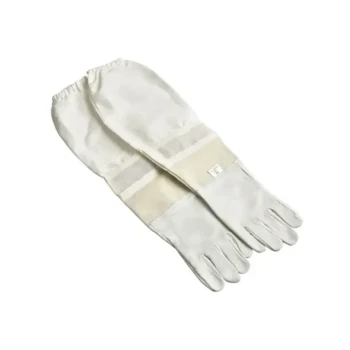
- Beekeeping Gloves Goatskin Leather with Long Cotton Sleeve for Beekeepers
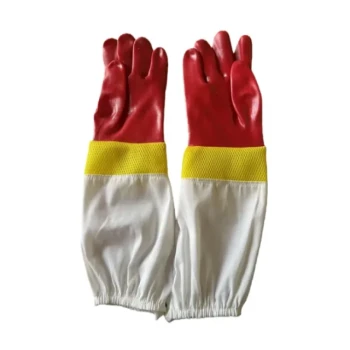
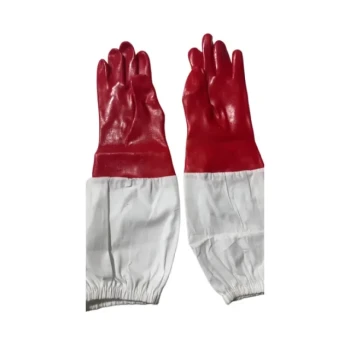
- Heavy Duty Red Rubber Beekeeping Gloves with Vented Mesh Cotton Sleeves
- Heavy Duty Red Rubber Beekeeping Gloves with Extended Pure Cotton Sleeves for Beekeepers
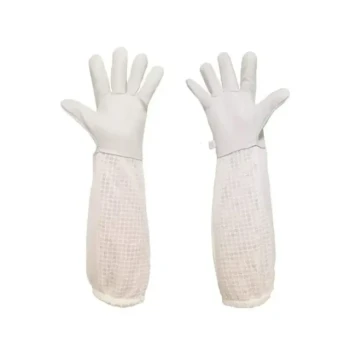
- Goatskin Leather Beekeeper Gloves with Vent Long Sleeve for Beekeeping Honey Bee Sting Proof Protection
- Premium Ventilated Goatskin Beekeeping Gloves with Full 3-Layer Mesh Sleeve
People Also Ask
- What are the characteristics of the best gloves for beekeeping? Choose Protection & Dexterity
- What are the primary purposes of using beekeeping gloves? Protect Your Hands and Ensure Apiary Hygiene
- What types of gloves are available for beekeeping? Choose the Right Protection for Your Hive
- Why is it important for beekeepers to wear gloves? Essential Safety and Confidence for Hive Management
- Why do some experienced beekeepers opt not to wear gloves? Discover the Benefits of Tactile Precision