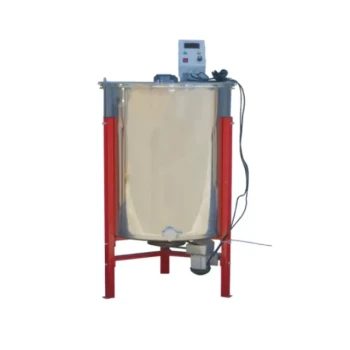
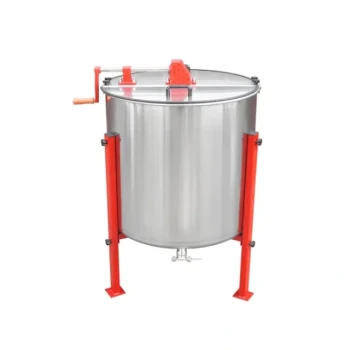
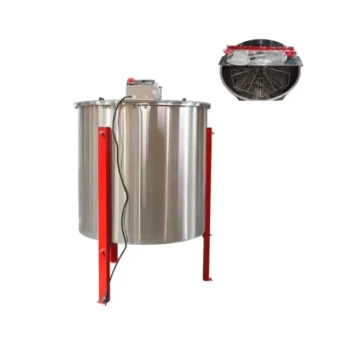
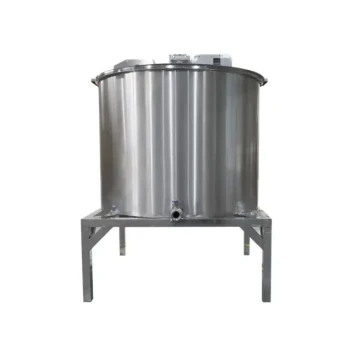
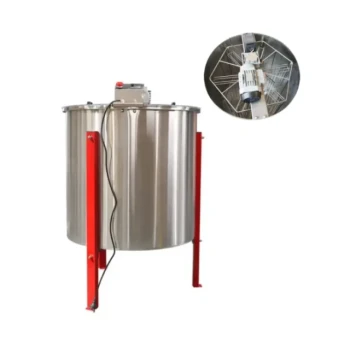
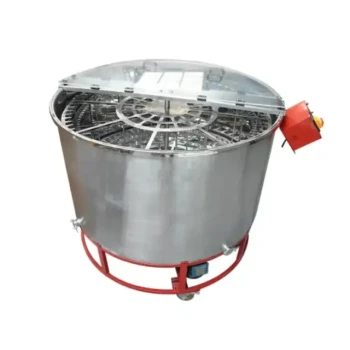
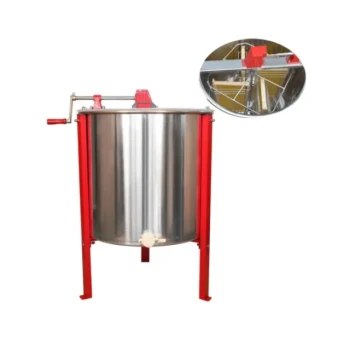
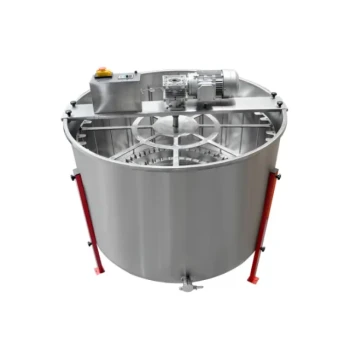
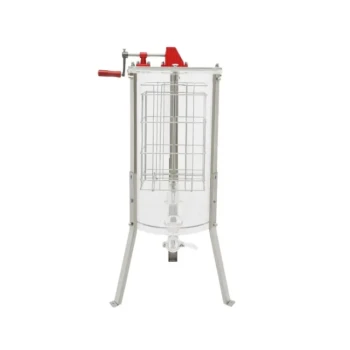
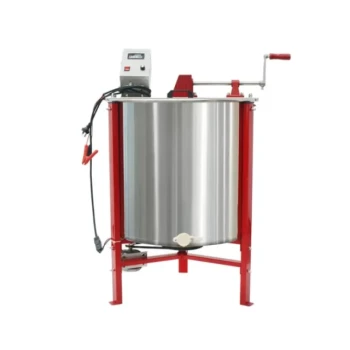
Centrifugal honey extractors serve as the technological backbone for standardized, high-quality honey production. By applying high-precision centrifugal force, these machines separate honey from the comb cells without physically crushing the structure. This non-destructive method eliminates the wax contamination inherent in traditional pressing techniques and preserves the honeycomb for immediate reuse within the hive.
The Core Value While manual harvesting destroys the wax infrastructure, centrifugal extraction decouples liquid honey from solid wax through rotation. This ensures a purer final product and allows beekeepers to return intact combs to the colony, saving bees the immense energy required to rebuild and significantly shortening the production cycle.
Elevating Honey Quality Through Mechanical Separation
Eliminating Wax Contamination
Traditional harvesting often involves pressing the honeycomb, which inevitably mixes beeswax and impurities into the honey. Centrifugal extraction isolates the honey using rotational force, leaving the solid wax structure behind. This mechanical separation ensures the final product remains clear of debris and retains a higher level of purity.
Reducing Handling Risks
Manual separation increases the likelihood of external contamination. Mechanizing the process with a centrifugal extractor minimizes human contact with the product. This leads to a standardized, hygienic output that meets commercial food safety requirements.
Material Hygiene Standards
Modern extractors, particularly those made from high-grade stainless steel, offer superior resistance to corrosion compared to galvanized alternatives. This ensures that the equipment itself does not introduce contaminants, preserving the natural flavor and safety of the honey over long-term use.
The Mechanics of Efficiency and Recycling
Preserving Structural Integrity
The primary operational advantage of this equipment is its ability to empty the comb without destroying it. The machine spins at a speed sufficient to expel mature honey but controlled enough to keep the delicate wax walls intact. This capability is the foundation of efficient hive management.
Conserving Colony Energy
Bees consume a significant amount of honey and energy to secrete the wax needed to build combs. When an extractor allows you to return an undamaged empty comb to the hive, you eliminate the need for bees to rebuild from scratch. This redirects the colony's energy from construction back to honey production.
Accelerating Production Turnover
By recycling combs, beekeepers can capitalize on short flowering periods. Since the bees do not need to spend time rebuilding storage cells, the time between harvests is drastically reduced. This increases the overall turnover rate and maximizes the yield during peak seasons.
Understanding the Trade-offs
Initial Investment vs. Long-Term Value
Transitioning to centrifugal extraction, especially with stainless steel models, requires a higher upfront capital investment than simple pressing tools. While the initial cost is significant, the extended equipment lifespan and higher market value of pure honey are necessary to offset this expense over time.
Operational Precision Required
While these machines are designed to protect combs, they require correct operation. Excessive rotational speed can damage fragile or new combs, negating the benefits of recycling. Operators must balance extraction speed with the structural limits of the specific combs being harvested.
Making the Right Choice for Your Goal
To maximize the benefits of centrifugal extraction, align your equipment choice with your specific production targets.
- If your primary focus is product purity: Prioritize stainless steel extractors to eliminate wax debris and prevent metallic corrosion, ensuring a clean, market-ready product.
- If your primary focus is production speed: Leverage the comb preservation capability to return empty frames to the hive immediately, allowing you to capture maximum yield during short flowering windows.
By treating the comb as a reusable asset rather than a disposable byproduct, centrifugal extractors harmonize industrial efficiency with the biological needs of the colony.
Summary Table:
| Feature | Traditional Pressing | Centrifugal Extraction | Impact on Efficiency & Quality |
|---|---|---|---|
| Comb Integrity | Destroyed | Preserved/Intact | Bees save energy on rebuilding; faster turnover |
| Honey Purity | High wax/debris mix | Pure liquid separation | Higher market value and cleaner product |
| Contamination | High manual contact | Low (Mechanical) | Enhanced food safety and hygiene standards |
| Material Durability | Variable | Stainless Steel | Corrosion resistance and long-term equipment life |
Scale Your Honey Production with HONESTBEE
Are you looking to elevate your honey quality and maximize your seasonal yield? HONESTBEE specializes in supporting commercial apiaries and distributors with high-performance, stainless steel centrifugal extractors and a full spectrum of beekeeping machinery.
Our comprehensive wholesale offering includes everything from honey-filling machines and hive-making equipment to essential consumables and cultural merchandise. Partner with us to provide your customers with professional-grade tools that ensure hygienic, efficient, and non-destructive harvesting.
Contact HONESTBEE Today to Discuss Your Wholesale Needs
References
- Dirriba Mengistu. Economic Losses in the Traditional Honey Production System in Oromia Region, Ethiopia. DOI: 10.3329/ralf.v10i3.70998
This article is also based on technical information from HonestBee Knowledge Base .
Related Products
- electric honey extractor honey centrifuge 3 frame honey extractor stainless steel honey frame extractor
- Manual Hand Crank 4 Frame Honey Extractor Centrifuge for Beekeeping
- Professional 4 Frame Self Reversing Electric Honey Extractor for Beekeeping
- 24 Frame Honey Extractor Commercial Radial Honey Frame Extraction Machine
- Electric 4 Frame Tangential Honey Extractor
People Also Ask
- What are the characteristics of electric honey extractors? Boost Your Apiary Efficiency with Automated Technology
- What are the disadvantages of using an electric honey extractor? Weighing Cost, Power, and Comb Safety
- What are the advantages of an electric honey extractor? Boost Efficiency and Scale Your Honey Production
- What are the technical advantages of electric honey extractors? Maximize Yield and Protect Your Bee Colony
- How does an electric honey extractor affect the quality of honey? Preserve Flavor & Purity with Precision Extraction