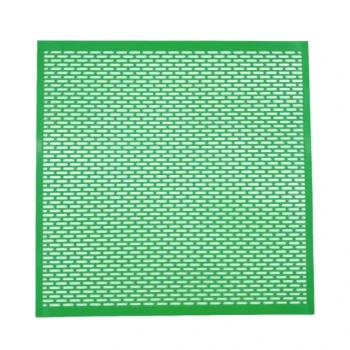
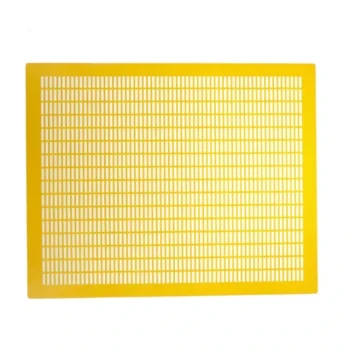
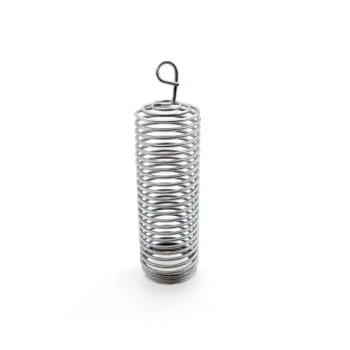
Physical spacers act as essential fixed-distance scales during the image acquisition phase of monitoring queen bee markings. By rigidly establishing a constant distance between the camera lens and the queen bee, these tools ensure that every photograph taken across various cycles maintains an identical subject distance and perspective.
By eliminating variable distances in photography, physical spacers transform visual data into measurable scientific evidence. They allow image processing software to accurately calculate pixel changes in paint film, ensuring long-term data is statistically comparable.
The Mechanics of Standardization
Establishing a Fixed Scale
The primary technical function of a physical spacer is to act as a fixed-distance scale.
In a scientific monitoring context, relying on manual focus or variable camera positioning creates inconsistencies. The spacer mechanically enforces a set distance for every single capture.
Maintaining Consistency Over Time
Monitoring retention rates is a longitudinal process involving different cycles.
Spacers ensure that a photo taken on day one has the exact same subject distance and perspective as a photo taken months later. This consistency is the foundation of the entire technical process.
Enabling Digital Analysis
Facilitating Accurate Pixel Analysis
The physical consistency provided by the spacer is directly linked to the performance of digital image processing software.
Software relies on standardized inputs to function correctly. Because the distance is fixed, the software can interpret the image data without needing to correct for scale variations.
Calculating Paint Reduction
The ultimate goal is to calculate the reduction rate of the paint film area.
Because the spacer ensures the queen bee appears at the same scale in every image, any reduction in colored pixels can be attributed strictly to paint loss. This isolates the variable you are trying to measure.
The Critical Dependency
The Requirement for Scientific Comparability
The use of physical spacers is not merely a convenience; it is a requirement for scientific comparability.
Without this hardware standardization, data from different time periods cannot be reliably compared. The spacer bridges the gap between physical photography and precise digital metrics.
Making the Right Choice for Your Goal
To effectively monitor marking retention, you must prioritize the stability of your image acquisition setup.
- If your primary focus is Data Accuracy: Ensure your physical spacer is calibrated to a fixed distance that never changes between photographic cycles.
- If your primary focus is Software Analysis: Verify that your digital processing tools are calibrated to the specific scale established by your physical spacer to ensure valid pixel counts.
Consistency in your physical hardware is the only way to guarantee accuracy in your digital results.
Summary Table:
| Technical Feature | Role in Monitoring Process | Impact on Data Accuracy |
|---|---|---|
| Fixed-Distance Scale | Eliminates manual focus/positioning variables | Ensures identical subject scale across all cycles |
| Consistent Perspective | Maintains subject distance over time | Enables longitudinal scientific comparability |
| Digital Standardization | Provides uniform inputs for software | Allows precise calculation of paint film pixel loss |
| Variable Isolation | Isolates paint reduction as the sole change | Prevents scale-induced errors in reduction rates |
Elevate Your Bee Management with HONESTBEE Precision
To achieve scientific accuracy in your apiary operations, consistent hardware is just as critical as the software you use. At HONESTBEE, we specialize in empowering commercial apiaries and distributors with the tools needed for professional-grade success.
From advanced beekeeping machinery and hive-making equipment to essential consumables and specialized hardware, our comprehensive wholesale offering is designed to scale your business. Whether you are optimizing queen bee monitoring or upgrading your honey-filling production line, we provide the industrial-strength solutions you need.
Ready to scale your commercial apiary or distribution network? Contact us today to explore our full equipment catalog
References
- Slobodan Dolašević, Zoran Stanimirović. A New Technique for Marking Queen Bees (Apis mellifera) for Better Visibility and Easier Spotting. DOI: 10.3390/agriculture15060645
This article is also based on technical information from HonestBee Knowledge Base .
Related Products
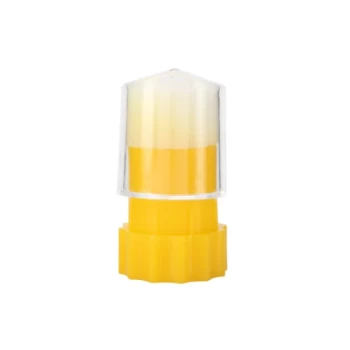
- Plastic Long Marker Device for Catching and Marking Bees Queen Bee Marking Tube and Cage
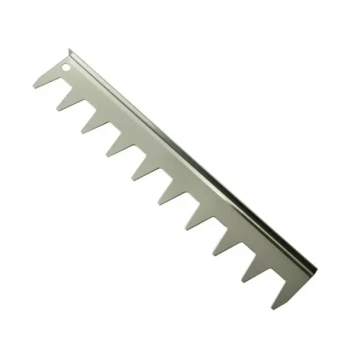
- Stainless Steel 9 Frame Hive Spacer Durable Precise for Commercial Beekeeping
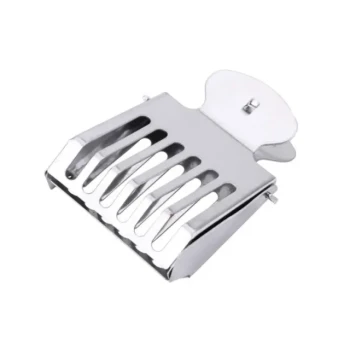
- Queen Bee Marking Tube Cage Bottle Catcher Holder with Clear Plastic Plunger Marker
- Queen Bee Marking Pen POSCA Queen Marking Pens for Beekeeping Bee Markers
- Plastic Queen Marking Tube Cage with Plunger for Beekeeping
People Also Ask
- Where on the queen bee's body should the mark be applied? Master the Art of Safe Queen Identification
- What are the primary objectives for marking a queen bee? Master Hive Management and Data Tracking
- Why is the physical marking of a queen bee important? Ensure Precise Colony Replacement Cycle Tracking
- How do you capture and immobilize a bee for marking? Master Safe Queen Handling for Your Apiary
- What are the different methods for applying a mark to a queen bee? Master Safe and Effective Queen Marking Techniques