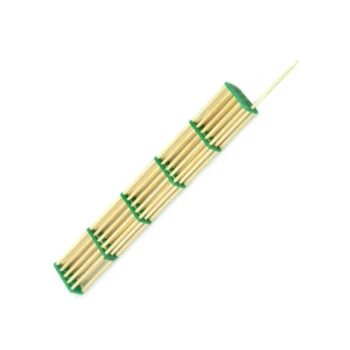
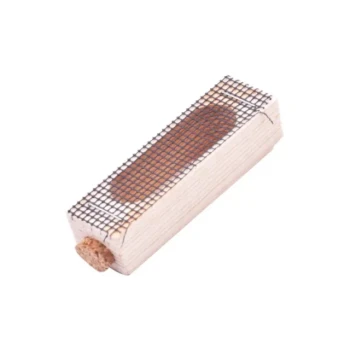
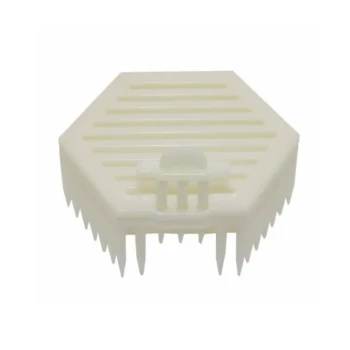
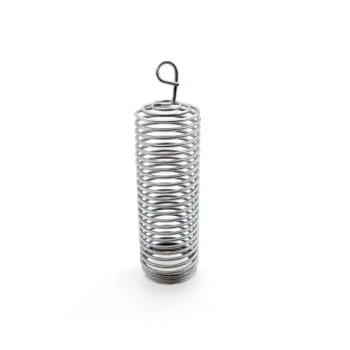
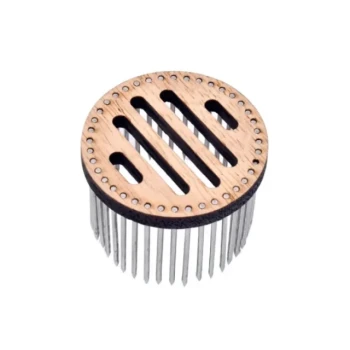
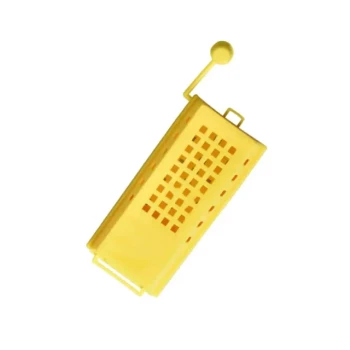
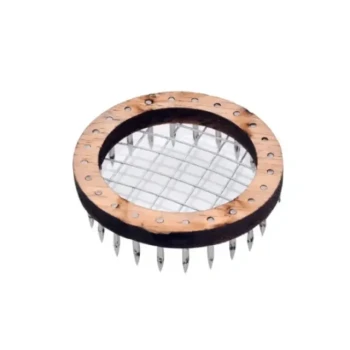
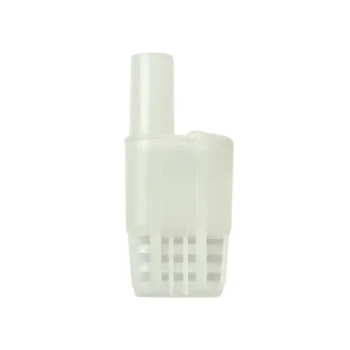
Specialized beehive experimental cages serve as precision instruments designed to isolate and replicate the conditions of the phoretic phase in a controlled laboratory setting. By creating a standardized coexistence space for marked honeybees and Varroa mites, these cages allow researchers to rigorously manage environmental variables and the duration of the parasite-host interaction without the interference found in a natural colony.
Core Takeaway The primary function of these cages is to convert a chaotic natural process into a measurable scientific standard. They allow for the precise manipulation of the phoretic duration on specific adult bees (such as nurse bees) while maintaining life-support systems like food, temperature, and humidity to ensure data validity.
Creating a Controlled Micro-Environment
Standardization of Coexistence
In a full-scale hive, tracking a specific mite on a specific bee is nearly impossible. Experimental cages solve this by confining a known number of marked honeybees with a specific number of mites.
This creates a "standardized coexistence space." Researchers can observe exact interactions without mites wandering off to brood cells or other bees.
Environmental Stability
The phoretic phase is sensitive to environmental changes. These specialized cages are designed to maintain regulated temperature and humidity levels.
This ensures that the stress levels of both the bees and the mites are minimized. It prevents environmental fluctuations from skewing experimental results.
Nutritional Consistency
Survival during the experiment relies on adequate resources. The cages are equipped to provide test subjects with controlled food supplies.
This guarantees that any physiological changes observed in the mites or bees are due to the experimental variables, not starvation or dehydration.
Simulating the Phoretic Phase
Precise Duration Control
The most critical role of these cages is the ability to dictate time. Researchers can control exactly how long Varroa mites remain on the adult bees.
This allows for the study of specific time-bound effects of the phoretic phase. It mimics the natural "riding" period of the mite on adult nurse bees before they enter brood cells to reproduce.
Targeting Specific Hosts
Not all bees are equal targets for mites. These cages allow researchers to introduce mites specifically to nurse bees.
By selecting the host type, scientists can simulate the preferred phoretic transport mechanism of the mites. This validates studies regarding viral transmission or mite nutrition during this specific lifecycle stage.
Understanding the Trade-offs
Artificial Social Constraints
While these cages mimic physical conditions, they cannot replicate the full social complexity of a hive.
The bees in the cage are isolated from the colony's pheromone network and queen influence. This isolation may alter individual bee behavior compared to a wild setting.
Restriction of Movement
The phoretic phase in nature involves bees moving throughout the hive or foraging.
Experimental cages restrict this movement to a small volume. This lack of physical activity could impact the metabolic rates of the host bees, potentially influencing the phoretic dynamic.
Making the Right Choice for Your Goal
To maximize the utility of specialized experimental cages, align your setup with your specific research objectives.
- If your primary focus is physiological impact: Ensure your food supply and environmental controls are strictly calibrated to rule out external stress factors.
- If your primary focus is behavioral duration: Utilize the marking system to track individual bee-mite pairings to establish precise timelines for the phoretic period.
These cages are the bridge between field observation and laboratory precision, enabling reproducible insights into Varroa mite biology.
Summary Table:
| Feature | Role in Phoretic Phase Simulation |
|---|---|
| Space Control | Creates a standardized coexistence space for marked bees and mites. |
| Environment | Regulates temperature and humidity to minimize stress and data skew. |
| Nutritional Supply | Provides consistent food to ensure results aren't affected by starvation. |
| Temporal Control | Allows researchers to dictate the exact duration of the phoretic interaction. |
| Host Specificity | Enables targeting of specific bee types, such as nurse bees, for study. |
Elevate Your Research and Operations with HONESTBEE
At HONESTBEE, we understand the critical intersection of scientific precision and commercial viability. Whether you are a researcher studying mite dynamics or a commercial apiary and distributor looking for high-quality infrastructure, we provide the tools you need to succeed.
Our comprehensive wholesale offering includes:
- Precision Equipment: From specialized experimental hardware to honey-filling and hive-making machines.
- Essential Consumables: A full spectrum of beekeeping tools and industry essentials.
- Commercial Support: Tailored solutions for large-scale operations and global distributors.
Partner with a supplier that understands the science of beekeeping. Contact HONESTBEE today to discuss how our professional-grade machinery and equipment can optimize your productivity and research outcomes.
References
- Vincent Piou, Angélique Vétillard. Impact of the Phoretic Phase on Reproduction and Damage Caused by Varroa destructor (Anderson and Trueman) to Its Host, the European Honey Bee (Apis mellifera L.). DOI: 10.1371/journal.pone.0153482
This article is also based on technical information from HonestBee Knowledge Base .
Related Products
- Professional Bamboo Queen Isolation Cage
- Classic Wooden and Mesh California Queen Cage
- Styrofoam Mini Mating Nuc Box with Frames Feeder Styrofoam Bee Hives 3 Frame Nuc Box
- Langstroth Honey Bee Box Hive Boxes for Different Depths
- High-Performance Langstroth Bee Hives for Global Professional Beekeeping
People Also Ask
- Why are specialized queen bee cages used for the banking of mated queen bees? Maximize Commercial Apiary Storage Efficiency
- What is the mechanism of action for using temporary queen bee cages? Master Successful Queen Introduction
- How does the side ventilation design of a queen bee cage impact the safety of the queen during long-distance transport?
- What should you do if the queen is still in the cage and the worker bees have not accepted her? Protect Your Colony from Queen Rejection
- What technical precaution must be taken regarding the mesh or grill side of a queen bee cage? Ensure Queen Survival