Specialized queen rearing tools are the backbone of modern colony management, enabling beekeepers to artificially propagate colonies with a precision that natural swarming cannot match. These instruments—specifically grafting needles, cell cups, and rearing frames—allow for the systematic replacement of queens compromised by environmental stressors and the mass production of genetically superior stock.
Core Takeaway As climate change disrupts natural mating and swarming cycles, reliance on natural colony reproduction is no longer sufficient. Specialized tools bridge this gap by allowing beekeepers to control the rearing environment, ensuring larvae receive concentrated nutrition (royal jelly) to develop into robust queens with improved heat and disease resistance.
The Strategic Necessity of Specialized Tools
The modern apiary faces challenges that traditional management cannot address. The following sections detail how specialized equipment solves these specific biological and environmental problems.
Mitigating Climate Impact
Climate change has measurably reduced the success rates of natural swarming and mating. High temperatures can compromise a queen's physiological health, while poor pollination conditions weaken the colony. Specialized tools allow for the artificial intervention required to replace these failing queens immediately, rather than waiting for natural replacement cycles that may never occur.
Enabling Selective Breeding
To combat environmental stress, beekeepers must cultivate strains with heat and disease resistance. Grafting tools allow for the precise selection of larvae from specific "breeder" colonies that exhibit these desirable traits. This facilitates a controlled genetic program, ensuring that the next generation of queens possesses the superior genetics required for survival.
Mechanisms of Action: How the Tools Work
The efficacy of these tools lies in their ability to simulate natural biological triggers while maximizing efficiency.
Precision Larval Transfer
Grafting needles are used to transfer larvae of a specific age from a worker cell to an artificial queen cup. This precision is critical; selecting the correct age ensures the larva remains viable and capable of developing into a queen. Without this tool, mass production of queens from a specific genetic line would be impossible.
Simulating the Natural Environment
Grafting frames and wax cups serve as the structural foundation for development. When placed in a queenless "nurse" colony, these artificial cups mimic natural queen cells. This triggers the worker bees to concentrate their secretion of royal jelly specifically for the target larvae, a nutritional boost that is essential for high physiological quality and superior egg-laying capacity.
Ensuring Continuity During Stress
Confinement tools equipped with honey storage frames provide a safety net during critical transition phases. By simulating a natural nutritional environment, these tools prevent queen mortality caused by energy depletion or stress during irradiation or transfer. This ensures the queen remains physically capable of laying eggs immediately upon release.
Standardization and Colony Metrics
Beyond breeding, specialized hardware provides the data necessary for objective management.
Quantifying Colony Strength
Standardized honeycomb frames create a uniform metric for evaluation. By measuring the number of frames covered by bees or the area of sealed brood, beekeepers can scientifically compare development rates and wax-building capacity across different groups. This removes guesswork from the assessment of colony health.
Balancing Workforce Distribution
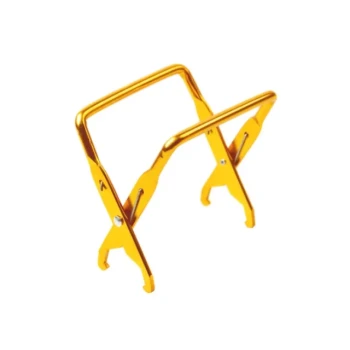
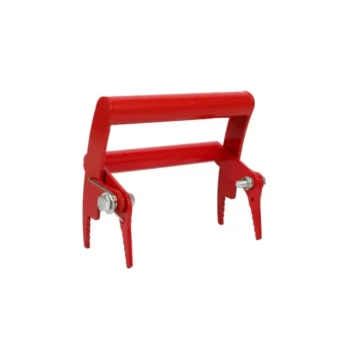
Tools designed for transferring combs allow for precise labor management. Beekeepers can move resources to strengthen weaker colonies or bleed off population from strong colonies to prevent unwanted swarming. This balances the apiary, ensuring every colony maintains the scale required for production.
Understanding the Trade-offs
While these tools are powerful, they introduce specific complexities that must be managed.
increased Technical Demands
Artificial queen rearing is not passive; it requires high manual dexterity and strict adherence to timing. Poor grafting technique or incorrect larval age selection will result in graft rejection or inferior queens.
Dependency on Colony State
The tools alone do not create queens; they rely on the biological drive of the nurse colony. Success depends on maintaining a strong, well-fed, and effectively queenless state in the starter colony to trigger the royal jelly response. Using these tools in weak or stressed colonies will yield poor results regardless of the equipment quality.
Making the Right Choice for Your Goal
To effectively utilize these tools, align your equipment choice with your specific management objective.
- If your primary focus is Genetic Resilience: Prioritize precise grafting needles to select larvae exclusively from colonies showing high heat tolerance and disease resistance.
- If your primary focus is Commercial Production: Invest in high-capacity grafting frames and wax cups to maximize the mass production of queens and ensure uniform royal jelly distribution.
- If your primary focus is Colony Maintenance: Utilize standardized frames and transfer tools to balance populations and objectively measure the growth rates of your splits.
Success in modern beekeeping is no longer about waiting for nature to take its course, but about using the right tools to actively steer the genetics and health of your colonies.
Summary Table:
| Tool Category | Key Function | Benefit to Modern Apiary |
|---|---|---|
| Grafting Needles | Precise larval transfer | Facilitates selective breeding for heat/disease resistance. |
| Cell Cups & Rearing Frames | Simulate natural queen cells | Triggers mass production and concentrated royal jelly feeding. |
| Standardized Honeycomb Frames | Population measurement | Provides objective data for monitoring colony health and strength. |
| Transfer & Confinement Tools | Resource management | Balances workforce distribution and prevents queen mortality during stress. |
Scale Your Breeding Operations with HONESTBEE
Maximize your apiary’s genetic potential and production efficiency with professional-grade equipment. HONESTBEE specializes in supporting commercial apiaries and distributors by providing a comprehensive wholesale range of beekeeping tools, specialized hardware, and industrial machinery.
From precision grafting needles and queen rearing systems to high-capacity honey-filling machines and hive-making equipment, we deliver the tools you need to build a resilient, high-yield beekeeping business.
Ready to upgrade your infrastructure? Contact us today to discuss your wholesale needs!
References
- Monica Vercelli, Chiara Ferracini. A Qualitative Analysis of Beekeepers’ Perceptions and Farm Management Adaptations to the Impact of Climate Change on Honey Bees. DOI: 10.3390/insects12030228
This article is also based on technical information from HonestBee Knowledge Base .
Related Products
- Stainless Steel Queen Grafting Tool for Beekeeping and Bee Queen Grafting
- Plastic Chinese Queen Grafting Tool for Bee Queen Rearing
- Stainless Steel Beekeeping Queen Grafting Tool for Honey Bee Rearing
- Retractable Chinese Queen Rearing Grafting Tools Equipment
- Plastic Beekeeping Honey Bee Larvae Grafting Tools for Queen Rearing and Chinese Grafting
People Also Ask
- What are the steps involved in using a queen grafting tool? A Guide to Successful Queen Rearing
- What is grafting in queen rearing? Take Control of Your Apiary's Genetics
- What are the benefits of using a queen grafting tool for queen rearing? Master Precision for Superior Bee Genetics
- What is the step-by-step process for using a queen grafting tool? Master Larva Transfer for Better Queen Rearing
- What is the primary function of a queen grafting tool? Master Precise Larval Transfer for High Queen Acceptance