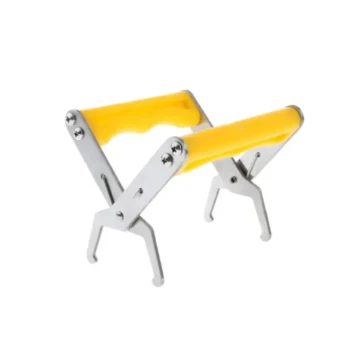
Standardized hives and removable frames serve as the fundamental diagnostic infrastructure for managing Colony Collapse Disorder (CCD). While the standardized hive provides a controlled baseline environment for the colony, the removable frame is the specific mechanism that allows beekeepers to perform non-destructive inspections. This capability is critical for monitoring the status of capped brood, food stores, and adult populations to detect the early, often paradoxical symptoms of CCD.
By transforming the hive from a closed vessel into an accessible system, removable frames allow for the identification of specific CCD markers—such as the sudden disappearance of adults despite ample food and brood—without destroying the colony structure.
The Diagnostic Function of Hive Infrastructure
Enabling Non-Destructive Oversight
The primary value of the removable frame in the context of CCD is visibility without disruption.
In traditional or non-standardized systems, inspecting the deep center of a colony often required damaging the comb or disturbing the brood nest significantly.
Removable frames allow apiarists to lift out individual cross-sections of the hive to inspect capped brood and food stores while leaving the colony's architecture intact.
Identifying Paradoxical Symptoms
CCD presents a unique diagnostic challenge because it is characterized by what is missing rather than what is present.
The specific symptoms of CCD include the sudden disappearance of adult bees and the abandonment of immature brood, often with food stores still intact.
Without the ability to pull frames and visually confirm the presence of abandoned brood or the absence of dead bodies (a key CCD marker), these symptoms would be indistinguishable from other types of colony failure.
Facilitating Proactive Management
Establishing a Controlled Baseline
Standardized hives minimize environmental variables, making it easier to spot deviations in colony behavior.
When every colony resides in an identical physical structure, beekeepers can more accurately compare strength and activity levels across the apiary.
This standardization allows for the rapid identification of "outlier" colonies that may be exhibiting early signs of decline or stress.
Integration with Advanced Monitoring
The physical infrastructure of frames and standardized boxes acts as the platform for modern integrated hive monitoring systems.
As noted in broader industry practices, these structures support the installation of sensors that track flight frequency, temperature, and humidity.
This data helps rule out other causes of decline, such as Varroa mite infestations or nutritional deficiencies, allowing for a more accurate diagnosis of CCD.
Understanding the Trade-offs
The Risk of Horizontal Transmission
While removable frames allow for inspection, they also present a risk if managed improperly after a collapse.
If a colony collapses due to CCD, the remaining frames often contain honey and pollen that are attractive to other bees.
If these frames are not immediately isolated in sealed storage, healthy bees from neighboring hives may engage in "robbing" behaviors, potentially spreading pathogens or contaminants to healthy colonies.
Physical Inspection vs. Chemical Reality
Visual inspection of frames has limits; it reveals the result of the stressor, but not always the source.
While a frame can show that a queen has failed to replace brood, it cannot visually confirm exposure to invisible stressors like herbicides or fungicides.
Therefore, physical frame inspection must be paired with data on local pesticide application and environmental conditions to form a complete management strategy.
Making the Right Choice for Your Goal
To effectively manage CCD risks using standardized equipment, tailor your approach based on your specific operational needs:
- If your primary focus is Early Detection: Prioritize a schedule of regular frame inspections to monitor for the "paradoxical" signs of CCD, specifically abandoned brood sites with no accumulation of dead bees.
- If your primary focus is Disease Containment: Implement strict protocols for "deadout" equipment; immediately remove and seal frames from collapsed hives to prevent neighboring colonies from robbing potentially contaminated resources.
Standardized infrastructure turns the hive into a readable dataset, giving beekeepers the visibility required to intervene before a silent decline becomes a total collapse.
Summary Table:
| Feature | Role in CCD Management | Key Benefit |
|---|---|---|
| Removable Frames | Non-destructive inspection of brood and food stores | Identifies adult bee disappearance without colony damage |
| Standardized Boxes | Provides a controlled physical baseline | Enables rapid identification of outlier colony behavior |
| Modular Design | Integration with sensors and monitoring tools | Supports data-driven tracking of temperature and humidity |
| Equipment Protocols | Isolation of frames from collapsed 'deadouts' | Prevents horizontal transmission and robbing by healthy bees |
Secure Your Apiary Against CCD with HONESTBEE Professional Equipment
Protecting your colonies requires precision and reliability. HONESTBEE provides commercial apiaries and distributors with the high-quality infrastructure needed for effective hive management. From standardized hive-making machinery to professional-grade removable frames and beekeeping tools, we offer the full spectrum of equipment to ensure your operations remain resilient.
Our value to you:
- Wholesale Excellence: Comprehensive supply of durable hardware and essential industry consumables.
- Commercial Scalability: High-efficiency machinery for honey-filling and large-scale hive production.
- Industry Expertise: Tools designed specifically to facilitate the rigorous inspections required to combat CCD.
Take the next step in professionalizing your beekeeping operations. Contact HONESTBEE today to explore our wholesale offerings and equipment solutions.
References
- Jamie Ellis. Colony Collapse Disorder (CCD) in Honey Bees. DOI: 10.32473/edis-in720-2010
This article is also based on technical information from HonestBee Knowledge Base .
Related Products
- Plastic Bee Frame Beekeeping Hive Frames for Wholesale
- Wooden Bee Hive Frames for Beekeeping and Wholesale
- Professional 3-Bar Frame Grip with Integrated Hive Tool
- Heavy-Duty Lever-Action Frame Grip with Hive Tool
- Professional Steel Pry-Bar Hive Tool with Painted Grip
People Also Ask
- Do bee frames need foundation? Choose the Right Approach for Your Apiary
- Under what circumstances should bee frames be destroyed? Protect Your Apiary from American Foulbrood
- How should frames be rearranged as a bee colony grows? Master Hive Expansion and Nest Management
- What types of bee frames can be cleaned and returned to service? A Guide to Safe Apiary Refurbishment
- When should frames with new foundation be given to colonies? Master Timing for a Thriving Hive