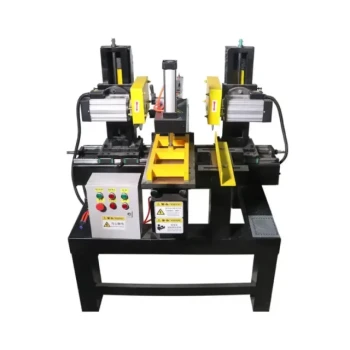
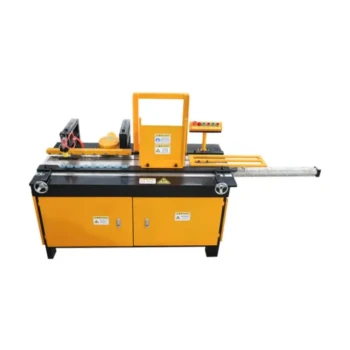
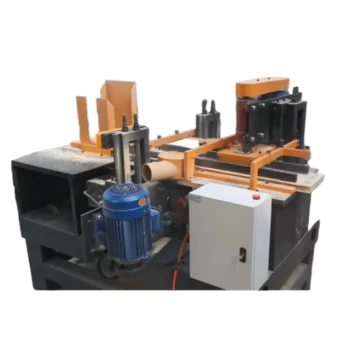
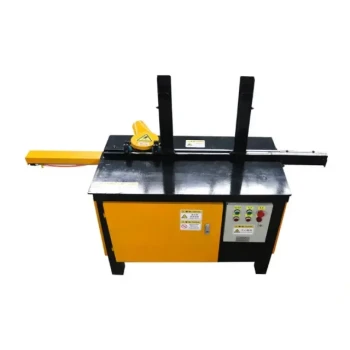
Specialized beehive manufacturing machinery acts as the critical infrastructure for scaling beekeeping from artisanal to industrial levels. By enabling the mass production of components with extreme precision, this technology ensures that every hive part is dimensionally consistent. This consistency is the operational prerequisite for rapid expansion, allowing cooperatives to move away from variable, handmade equipment that hinders growth.
The transition to large-scale operations relies on standardization. Precision machinery provides the uniform hardware foundation necessary to reduce long-term maintenance costs, enable component interchangeability, and support the standardized technical workflows required to manage thousands of colonies efficiently.
The Foundation of Standardization
Achieving Component Interchangeability
For a cooperative to scale, hardware cannot be unique to a single hive. Interchangeability is the primary value driver of industrial-grade machinery.
These machines ensure that frames, hive bodies, and covers are manufactured to exact dimensions. This allows beekeepers to move a frame from one colony to another without friction, simplifying critical management tasks like colony splitting, merging, and artificial pollination.
Streamlining Cooperative Operations
When equipment is standardized, training and operations become scalable. Precision machinery provides the equipment foundation for technical promotion across the cooperative.
Standardized hardware allows the cooperative to implement uniform operational workflows. Whether a member is managing 50 hives or 500, the physical interactions with the hive remain identical, reducing the learning curve and operational errors.
Reducing Long-Term Maintenance
Handmade or inconsistent hives suffer from gaps and poor fits, leading to accelerated wear. Mass-produced, precision-cut components fit tightly together.
This tight construction significantly lowers maintenance costs over time. By reducing the variability in construction, the cooperative spends less capital repairing or modifying ill-fitting equipment and more on actual colony management.
Biological and Environmental Optimization
Respecting "Bee Space"
Scaling up must not come at the cost of bee health. High-precision machinery ensures construction strictly adheres to honeybee biological requirements, specifically "bee space."
If tolerances are loose, bees build burr comb or propolize gaps, making inspections difficult. Precision cutting eliminates these issues, ensuring the structure supports natural bee behavior without the need for chemical glues or harmful coatings.
Enhancing Colony Energy Efficiency
Standardized hive structures produced by these machines offer superior insulation and sealing.
Tight joints and uniform wall thickness help maintain stable internal temperatures. This reduces the metabolic energy bees must expend on heating or cooling the nest. Consequently, the colony can redirect that energy toward collecting pollen and nectar, directly improving production efficiency.
Understanding the Trade-offs
The Risk of Systemic Error
While machinery enables mass production, it also introduces the risk of mass defects. If a machine is calibrated incorrectly, every component produced will be flawed.
Cooperatives must implement rigorous quality control protocols. A minor deviation in a cutting blade can render thousands of frames unusable or biologically inappropriate for the bees.
Capital vs. Operational Expense
Implementing industrial-grade machinery requires significant upfront capital. This shifts the cost structure from variable labor costs (manual construction) to fixed infrastructure costs.
For smaller cooperatives, this investment may be premature. The efficiency gains are only realized when the volume of production is high enough to amortize the cost of the machinery.
Making the Right Choice for Your Goal
To leverage machinery effectively, align the equipment capabilities with your cooperative's specific growth phase.
- If your primary focus is Rapid Expansion: Prioritize machinery that guarantees high-volume throughput and absolute interchangeability to facilitate seamless colony splitting and merging.
- If your primary focus is Organic Certification: Select high-precision equipment capable of creating durable, tight-fitting joints that eliminate the need for chemical glues or paints.
- If your primary focus is Labor Reduction: Focus on automated machinery that produces standardized units compatible with mechanized handling and Varroa treatment systems.
Ultimately, machinery converts the variable art of hive building into a predictable science, providing the stable physical platform necessary for a cooperative to grow.
Summary Table:
| Key Benefit | Impact on Scaling | Why It Matters |
|---|---|---|
| Component Interchangeability | Operational Flexibility | Allows seamless colony splitting and part replacement across thousands of hives. |
| Biological Precision | Bee Health & Yield | Adheres to strict 'bee space' to reduce burr comb and improve colony energy efficiency. |
| Equipment Standardization | Training & Workflow | Simplifies member training and enables uniform management protocols across the cooperative. |
| Durability & Fit | Lower Maintenance | Tight-fitting, machine-cut joints reduce long-term repair costs and eliminate need for glues. |
Scale Your Beekeeping Operation with HONESTBEE
Transitioning from artisanal methods to industrial-scale production requires more than just passion—it requires the right infrastructure. HONESTBEE specializes in empowering commercial apiaries and distributors with the high-precision machinery needed to thrive.
From advanced hive-making and honey-filling machines to a complete spectrum of wholesale beekeeping tools and industry consumables, we provide the hardware foundation for your growth. Whether you are looking to improve colony energy efficiency through precision-cut hives or automate your processing line, our portfolio is designed to deliver consistency and durability.
Ready to transform your cooperative's production capacity? Contact HONESTBEE Today to discuss our comprehensive equipment solutions and how we can support your expansion.
References
- I Ketut Gede Intan Kurniawan, Ni Wayan Sucindra Dewi. Kinerja dan Keberlanjutan Kelompok Tani Hutan (KTH) Lebah Madu di Kabupaten Tabanan, Provinsi Bali. DOI: 10.47701/sintech.v5i2.4993
This article is also based on technical information from HonestBee Knowledge Base .
Related Products
- High-Efficiency Pneumatic Bee Hive Making Machine for Rapid Box Assembly
- Mini Desktop Bee Hive Frame Forming Making Machine
- Beehive Machine Double End Saw for Precision Hive Component Manufacturing
- HONESTBEE Top Bar & Bottom Bar Forming Machine | Bee Frame Machine
- Beehive Handle and Frame Rest Cutting Machine: Your Specialized Hive Machine
People Also Ask
- How does the introduction of professional beehive-making machinery benefit sustainable beekeeping? Scale Your Apiary
- Why is specialized beehive-making machinery critical for low-defense breeding? Enhance Selection with Precision Tools
- How does the introduction of specialized beehive making machinery contribute to increasing the scale of regional beekeeping industries?
- What is the importance of specialized beehive making machinery in a circular bio-economy? Build Local Sustainability
- Why is specialized beehive-making machinery essential? Scale Your Apiary with Precision Industrial Standards