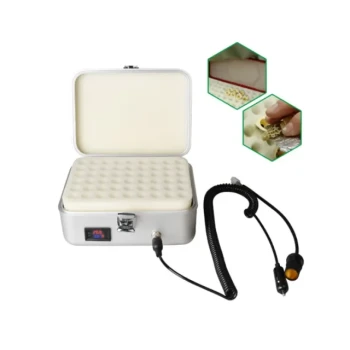
Constant temperature oscillation equipment serves as the primary driver of kinetic efficiency during the extraction of lyophilized bee pollen. It functions by simultaneously regulating thermal conditions and applying mechanical agitation to the mixture. This dual action significantly improves the transfer of target compounds from the solid pollen into the ethanol solvent.
By synchronizing a steady thermal environment with active mechanical shear, this equipment maximizes the leaching efficiency of functional lipids. It transforms the extraction process from passive soaking into a dynamic, high-yield interaction.
The Mechanics of Enhanced Extraction
Creating a Controlled Kinetic Environment
The equipment does not merely hold the sample; it creates a rigorous, controlled kinetic environment.
By maintaining a consistent oscillation speed, specifically 150 rpm, the system ensures the extraction mixture remains in a state of constant, uniform motion.
The Power of Mechanical Shear Force
The oscillation generates mechanical shear force within the mixture.
This physical agitation prevents the formation of stagnant layers around the pollen particles. It forces the ethanol solvent to make thorough, continuous contact with the surface area of the lyophilized pollen.
Thermal Regulation for Optimal Solubility
The equipment maintains a precise, stable temperature of 40 °C.
This temperature is critical for increasing the solubility of the target components without reaching temperatures that might degrade them. The constant thermal input ensures the solvent remains at peak efficiency throughout the entire extraction duration.
Targeting Specific Components
Increasing Leaching Efficiency
The primary goal of this setup is to facilitate the "leaching" process.
The combination of heat and motion accelerates the rate at which compounds migrate from the solid pollen structure into the liquid solvent.
Focusing on Functional Lipids
This method is specifically effective for extracting functional lipid components.
References highlight that phospholipids and cholesterol esters are the key bioactive compounds recovered more effectively using this oscillation method compared to static methods.
Critical Considerations and Trade-offs
The Necessity of Precision
The specific parameters mentioned (40 °C and 150 rpm) are not arbitrary; they represent a calculated balance.
If the temperature varies significantly, you risk inconsistent extraction rates. If the RPM drops, the shear force may be insufficient to penetrate the pollen structure effectively.
Physical Stress vs. Component Integrity
While mechanical shear is necessary for extraction, it introduces physical stress to the medium.
The equipment provides a controlled shear. This distinguishes it from more aggressive homogenization methods, which might damage sensitive molecular structures, offering a balance between thorough extraction and component preservation.
Making the Right Choice for Your Goal
To maximize the utility of constant temperature oscillation in your workflow, consider your specific targets:
- If your primary focus is maximum yield: Ensure the agitation is maintained strictly at 150 rpm to guarantee the mechanical shear required for thorough solvent penetration.
- If your primary focus is compound stability: Rely on the equipment’s ability to lock the temperature at 40 °C, preventing thermal fluctuations that could alter the lipid profile.
Ultimately, the role of this equipment is to replace variable manual processes with a standardized, kinetic system that guarantees reproducibility and high efficiency.
Summary Table:
| Parameter | Optimal Setting | Functional Role in Extraction |
|---|---|---|
| Temperature | 40 °C | Enhances solubility while protecting bioactive lipid integrity |
| Oscillation Speed | 150 rpm | Generates mechanical shear to prevent stagnant layers |
| Primary Target | Functional Lipids | Facilitates leaching of phospholipids and cholesterol esters |
| System Benefit | Kinetic Efficiency | Replaces passive soaking with dynamic, high-yield interaction |
Elevate Your Beekeeping Business with HONESTBEE
At HONESTBEE, we understand that commercial success in the apiculture industry requires precision and the right equipment. Whether you are a large-scale commercial apiary or a distributor, we provide the comprehensive wholesale solutions you need to thrive.
Our extensive portfolio includes:
- Advanced Machinery: From hive-making to honey-filling and specialized processing equipment.
- Beekeeping Tools: A full spectrum of professional-grade hardware and essential consumables.
- Cultural Merchandise: Honey-themed products to expand your market reach.
Ready to enhance your extraction yield and streamline your production? Partner with an industry leader who values quality and efficiency as much as you do.
Contact us today to discuss your wholesale needs
References
- И А Прохода, Galina Khlopyanikova. Promising directions for the use of pollen in preventive nutrition. DOI: 10.1051/e3sconf/202339201010
This article is also based on technical information from HonestBee Knowledge Base .
Related Products
- Heavy-Duty Ergonomic Grip Galvanized Pollen Shovel
- High Performance Cordless Electric Bee Shaker for Beekeeping
- Electric 8 Frame Honey Spinner Extractor Equipment for Beekeeping
- HONESTBEE 2 Frame Manual Acrylic Honey Extractor Beekeeping Equipment
- HONESTBEE 6 Frame Self Reversing Electric Honey Extractor for Beekeeping
People Also Ask
- For what reasons do beekeepers collect bee pollen? Boost Hive Health and Unlock New Revenue Streams
- Why should commercial apiaries focus on the collection of diversified bee products? Maximize Your Hive’s Profit Potential
- How do bee pollen collection tools affect the quality of bee pollen used in functional dairy ice cream production?
- How does a specialized pollen collector facilitate the harvesting of diverse bee products? Automate High-Value Yields
- What is the impact of pollen collectors and associated equipment on the cost structure of pollen production? Maximize ROI